Offers plans to build Pietenpol Aerial as biplane develpment of Pietenpol Aircamper, plus Excelsior Ultralight and replica of First World War Sopwith Triplane.
1983-96: St Croix Ultralights, 5957 Seville Street, Lake Oswego, Oregon 97034, USA.
Offers plans to build Pietenpol Aerial as biplane develpment of Pietenpol Aircamper, plus Excelsior Ultralight and replica of First World War Sopwith Triplane.
1983-96: St Croix Ultralights, 5957 Seville Street, Lake Oswego, Oregon 97034, USA.
In 1958 Mr K.C.Desmond St.Cyrien started construction of a Sopwith Pup replica at his home in Horley. He secured the registration G-APUP for it. Much later it was allocated the PFA number 1582.
After having started this replica St.Cyrien ‘acquired’ bit by bit, Pup serial N5182 from a store of a French aviation collection. Parts of the replica were disposed of to G.Neale of Canada and others went to the USA.
The original Pup was then put under an intensive period of restoration at Luton and then at Horley. It was completed at Fairoaks with an original Le Rhone engine. It first flew on 11 August 1973, from Fairoaks, as N5182 ‘Shiels’, for ultimate donation to the RAF Museum.
The St Andrews Viking is a family of American powered parachutes that was designed and manufactured by St Andrews Aviation of Panama City, Florida and later produced by Viking Aircraft, also of Panama City.
Introduction in 1998, the two-seat Viking II was designed to comply with the US FAR 103 Ultralight Vehicles two-seat trainer rules. It features a parachute-style high-wing, two-seats-in-side-by-side configuration, tricycle landing gear and a single 50 hp (37 kW) Rotax 503 engine in pusher configuration. The 70 hp (52 kW) 2si 690-L70 engine was a factory option.
The aircraft is built from tubing and includes a partial cockpit fairing. The side-by-side seating configuration is unusual in powered parachutes, but was intended to make dual instruction easier. In flight steering is accomplished via dual foot pedals that actuate the canopy brakes, creating roll and yaw. On the ground the aircraft has a center-mounted bicycle handlebar that controls the nosewheel steering. The main landing gear incorporates steel spring rod suspension. The aircraft was factory supplied in the form of an assembly kit or could be delivered ready-to-fly.
Variants
Viking I
Single seat version introduced in March 2000, that sold for US$10,900 complete and ready-to-fly in 2001.
Viking II
Two-seats-in-side-by-side configuration version introduced in 1998, that sold for US$12,000 (2001) complete and ready-to-fly, US$10,000 complete but unassembled or US$4,300 for the carriage kit only, less engine and canopy, in 2001. Production has since ended.
Viking II
Engine: 1 × Rotax 503 twin cylinder, two-stroke, 50 hp (37 kW)
Propeller: 3-bladed composite propeller
Wing area: 520 sq ft (48 m2)
Empty weight: 270 lb (122 kg)
Fuel capacity: 10 U.S. gallons (38 L; 8.3 imp gal)
Cruise speed: 30 mph (26 kn; 48 km/h)
Rate of climb: 600 ft/min (3.0 m/s)
Crew: one
Capacity: one passenger
Panama City
Powered parachute builders
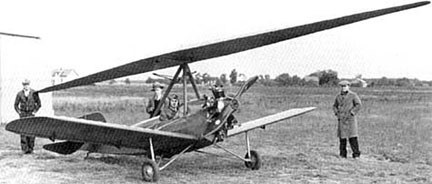
In 1939 O L Stauffer of Elkhart IN., USA, built a single-place gyrocopter on which the revolving upper wing locked in place to convert the aircraft into a biplane.
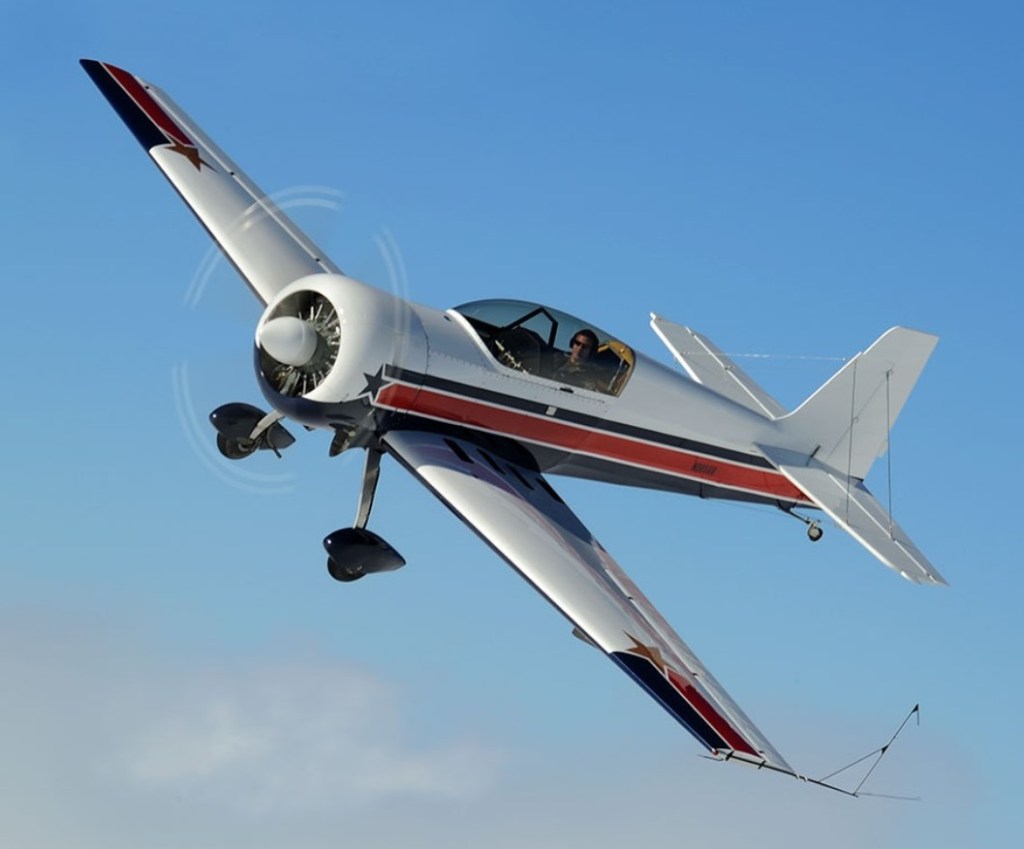
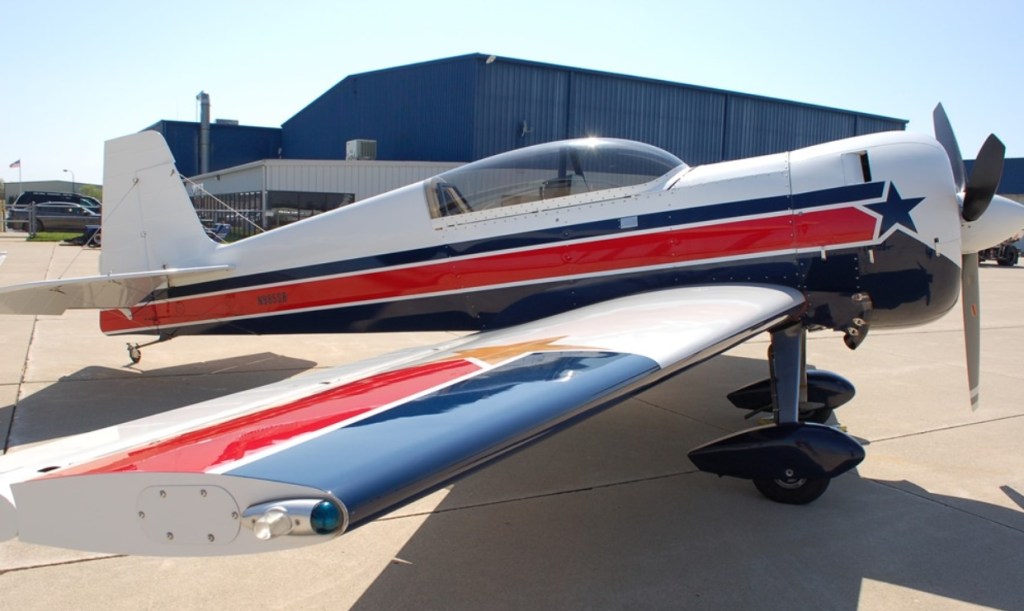
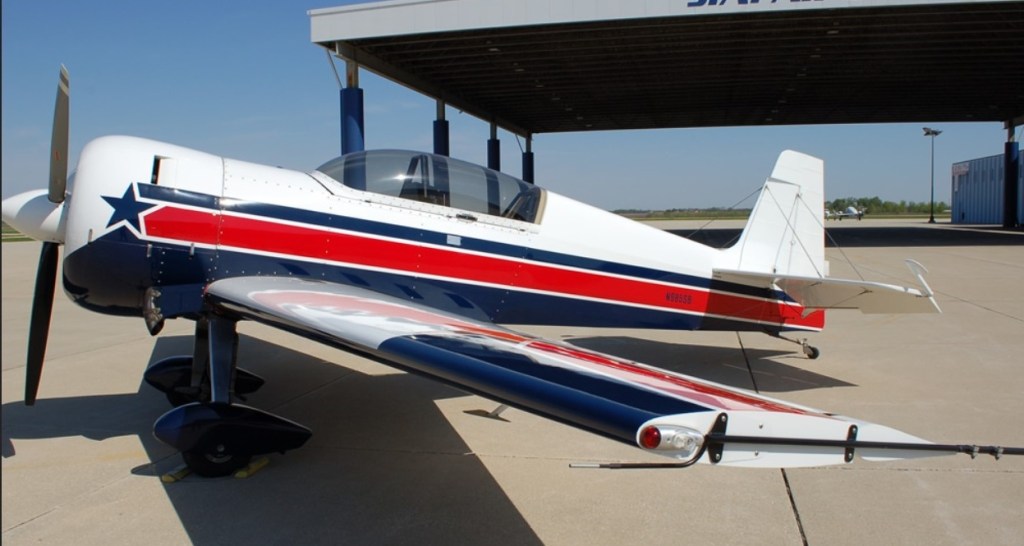
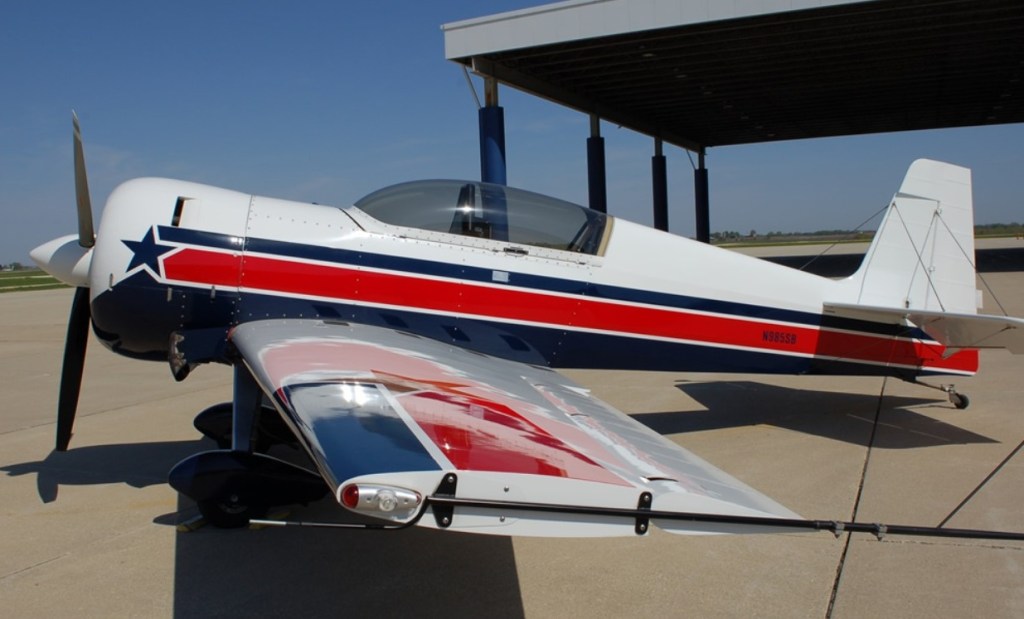
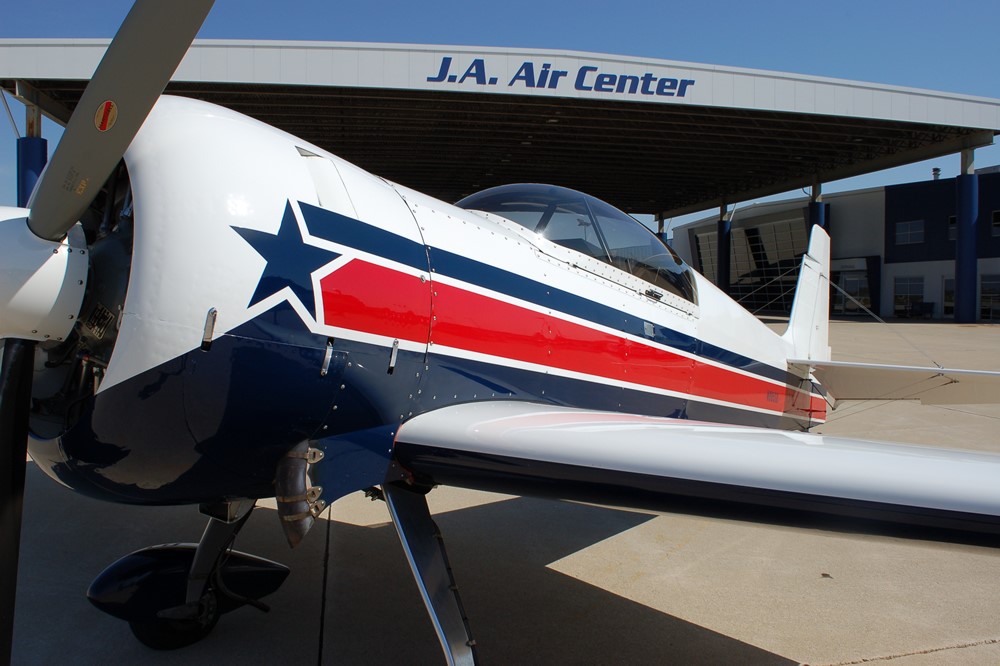
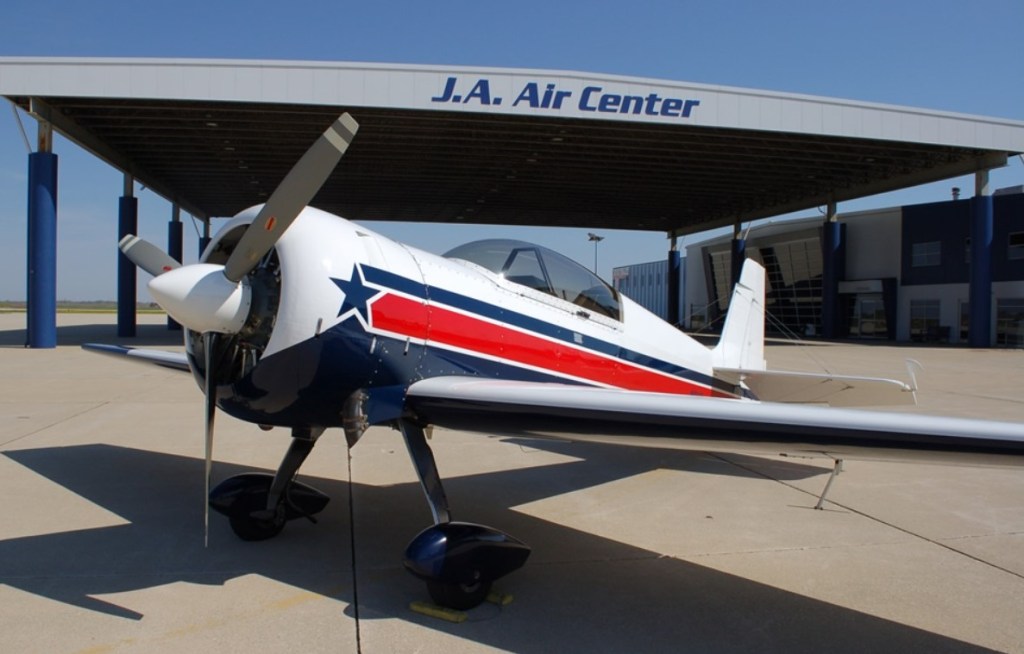
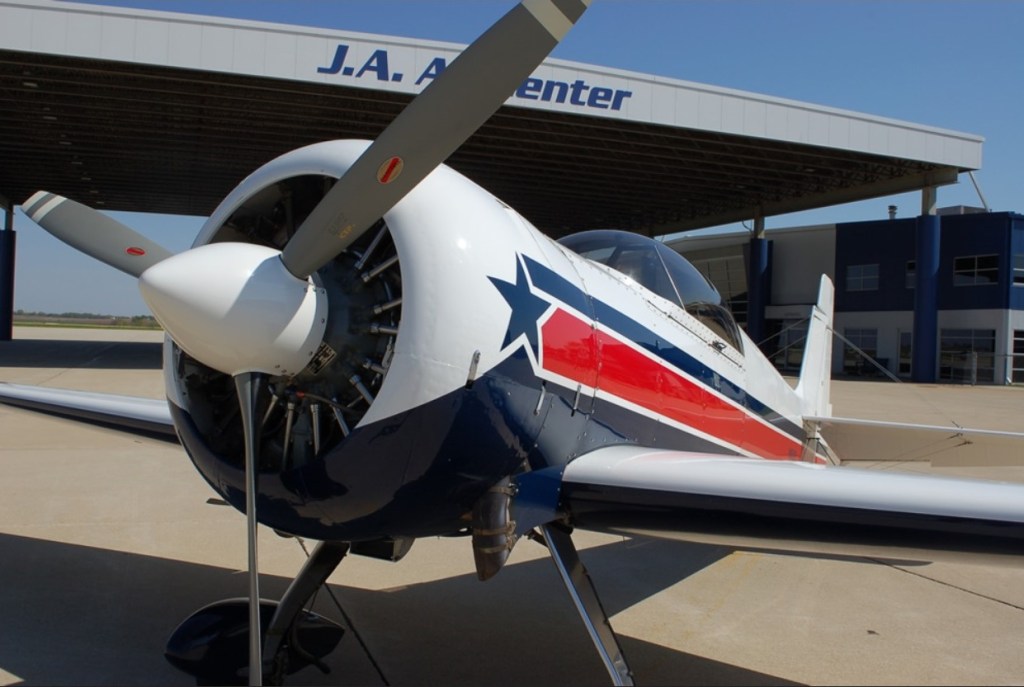
The only Staudacher 985 aircraft in existence, the 1994 built model is powered by a P&W R-985 engine and is an aerobatic experimental aircraft.
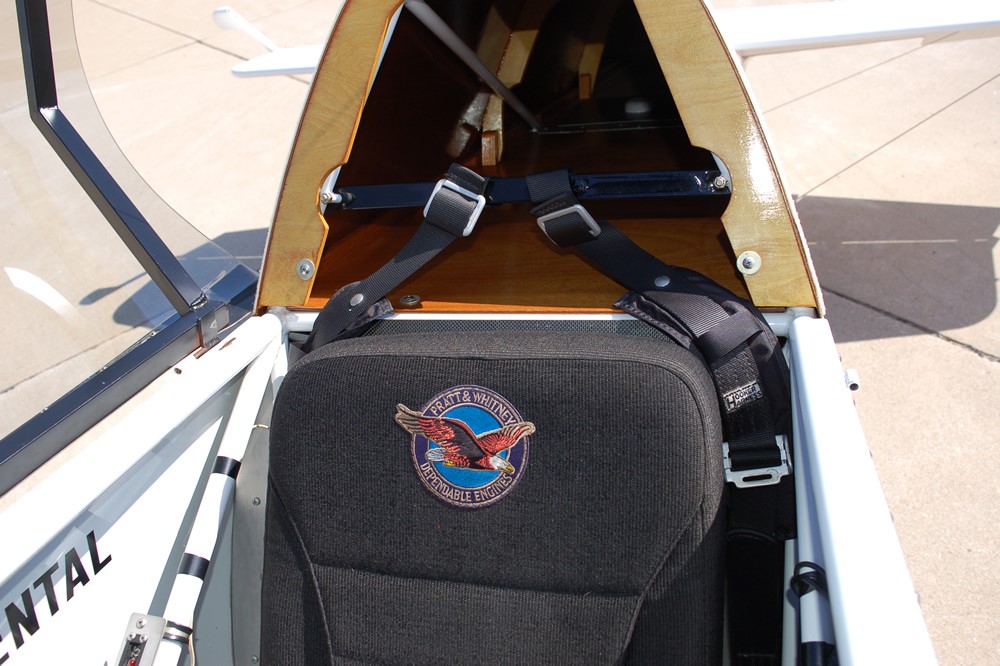
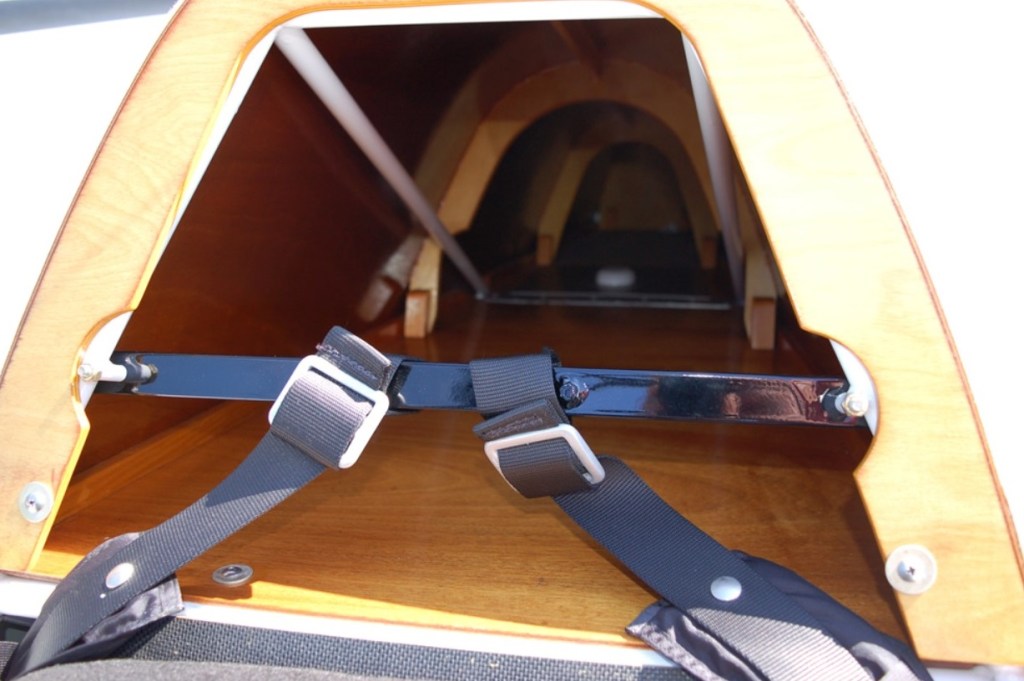
In 1997 it received the Oshkosh Reserve Grand Champion for an experimental “Plans Built” aircraft. This fully aerobatic aircraft has inverted capability, a second seat in front of the main pilot seat (full controls, no brakes).
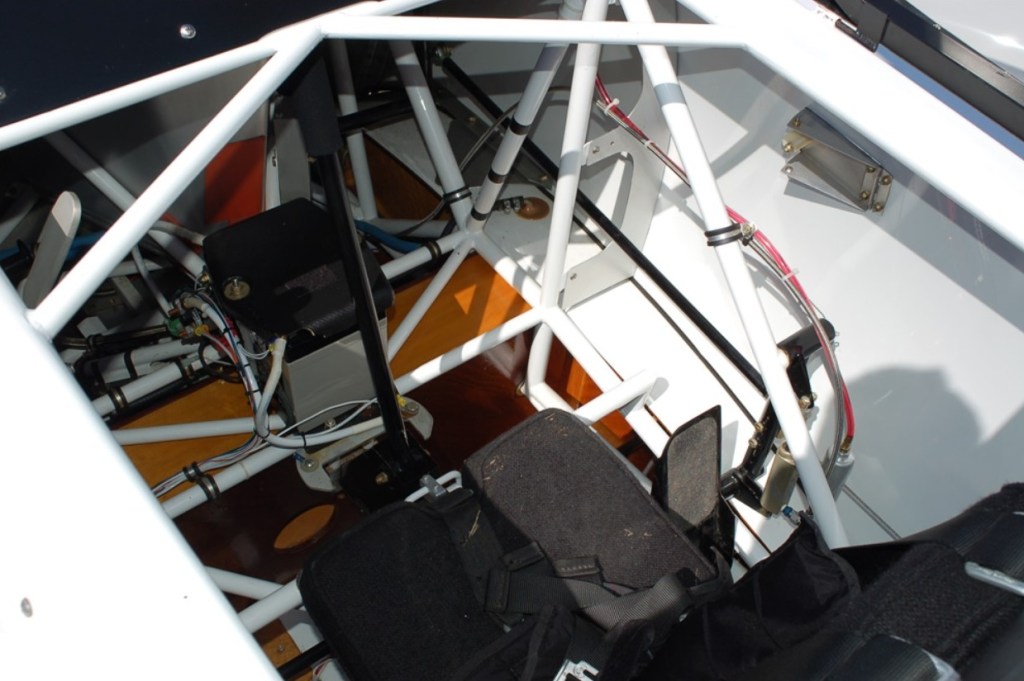
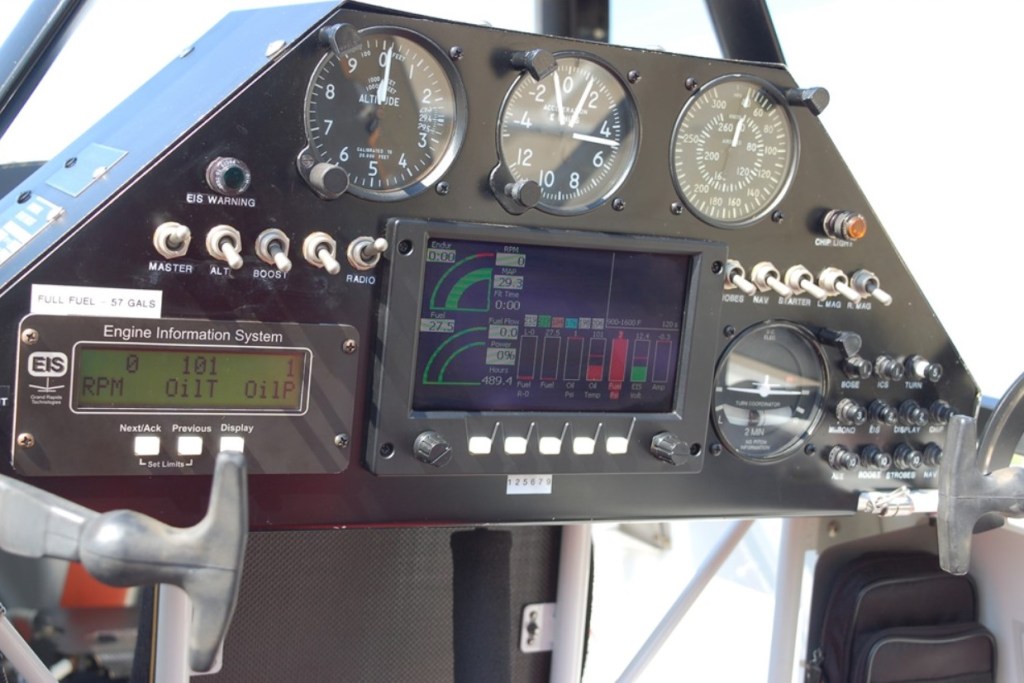
In 2020 N985SB S/N: 17 was for sale for USD$219,000. It was located at Sugar Grove, Illinois, USA, and had 489 hours total time engine & prop.
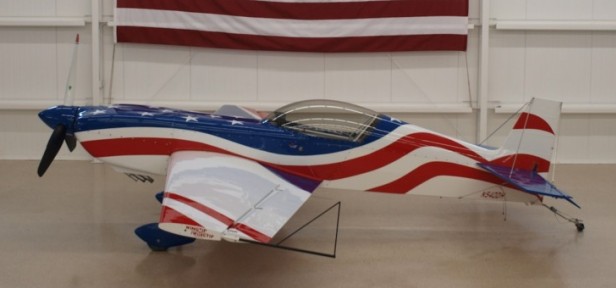
Aerobatic Aircraft
USA
Staudacher Aircraft Inc custom-built aerobatic aircraft.
The 1982 William H Statler Dos Equis Challenger was a single-place modified North American SNJ-5 as racer in the unlimited class.
Engine: 2100hp P&W R-2800-97
Wingspan: 31’7″
Length: 30’8″
Seats: 1