In 1910 Frank Steffan of Los Angeles CA., USA, built the single-place, open cockpit, Re-inforced Biplane. The frame with a large, forward-pointing, triangular plane on the top frame and two aft-pointing triangular, kitelike planes set above it; Curtiss motor chain-driving two pusher props.
Author: Terry
Steffen Monoplane
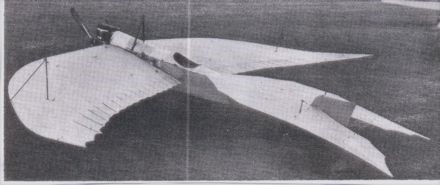
The exact identification is disputed, but in the source of the photo it is identified as the “Steffen-Falke 1911”, powered by a 50 hp Argus engine, built for Heine, which crashed on its first flight. The builders of the Zanonia-winged monoplane were the Steffen brothers of Kiel.
Stefanutti Tourer
Ing. Sergio Stefanutti had gained some experience in the mid 1930s with a little two seat tail first tourer.
Steer Terror
G MBNY Steer Terror/ Fledge 11 cn MJS2 registered to M.J.Steer, UK, in 1990.
Steen Steenship
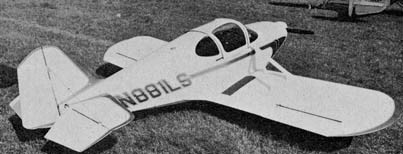
LaMar Steen’s first airplane was a two-place, low-wing design named the Steenship. The Steenship has wooden wings, a tube-and-fabric fuselage, and originally sported a many-coat nitrate dope covering job. The modified O-290-G engine produced 140hp and gave the plane a very respectable cruise speed of 165 mph. In addition, it was stressed for aerobatics (+/- 9 G). Construction took 3-1/2 years and cost $3,800.
It first flew in July 1966 as N881LS. No plans were ever made available for the Steenship, and no original blueprints or construction drawings exist today.
The May 1989 issue of Sport Aviation had an article about Bob Leonard’s restoration of the plane in Healdsburg, CA. In mid-2002, Burt Nichols in Arkansas purchased it (still retaining the original registration number N881LS) and flew it regularly. After 200 hours in the first 9 months he decided to upgrade the original Lycoming O-290 to a Lycoming O-320. As of July 2003, it was very close to first flight with the new engine.
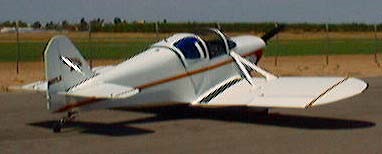
In late Jan. 2005, it was in the process of a rebuild.
Engine: 140hp Lycoming O-290G
Cruise: 145 mph
Stall: 60 mph
Load factor: 9G±
Seats: 2
Steen Firebolt
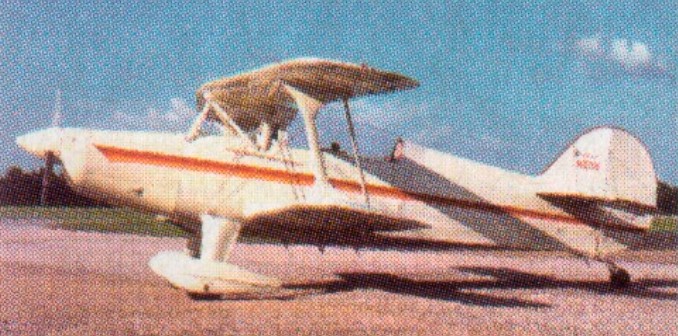
A Firebolt was Grand Champion at Oshkosh 1988.
Top speed: 214 mph
Cruise: 185 mph
Stall: 61 mph
Range: 550 nm
Rate of climb: 4000 fpm
Takeoff dist: 400 ft
Landing dist: 850 ft
Service ceiling: 18,000 ft
Engine: Lycoming IO-540
HP range: 180-340
Fuel capacity: 39 USG
Empty weight: 1354 lb
Gross weight: 2000 lb
Height: 7.6 ft
Length: 21 ft
Wing span: 24 ft
Wing area: 150 sq.ft
Seats: 2
Landing gear: tailwheel
Steen Skybolt Gallery
Steen Skybolt
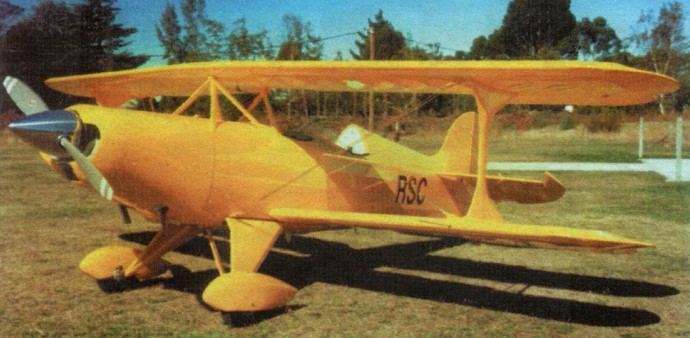
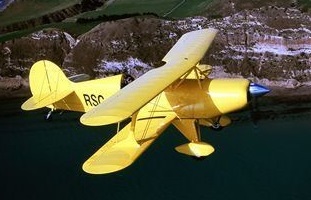
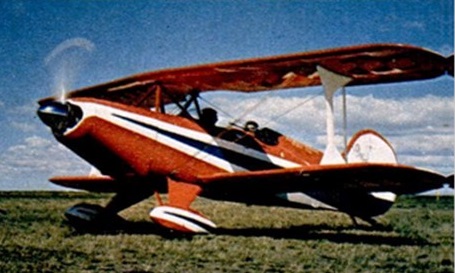
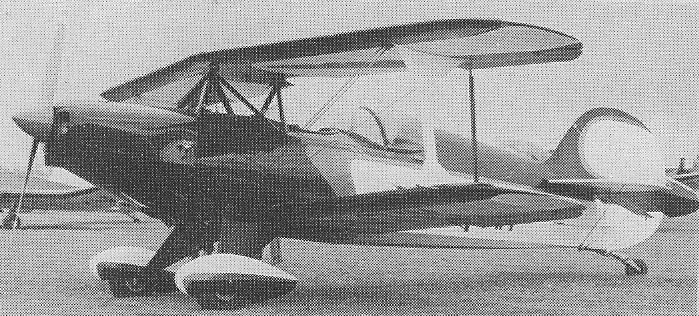
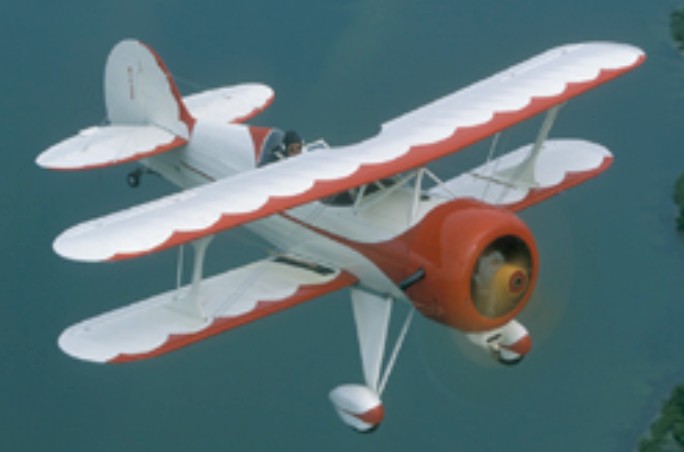
The Skybolt is a two-seat aerobatic biplane designed by Lamar Steen, an aerospace teacher in Denver. It first flew in October 1970 and received the EAA award for “Best School Project.” The Skybolt is stressed to + 12G’s and -10G’s. The wings are built around two spruce spars and are fabric covered, with four ailerons. The fuselage is a fabric-covered welded steel-tube structure. The aircraft can be fitted with engines ranging in size from 125 to 260 hp.
Engine: 180-hp Lycoming
Gross Wt: 1680 lb
Empty Wt: 1080 lb
Fuel capacity: 30-40 USG
Wingspan: 24 ft
Length: 19 ft
Wing area: 155 sq.ft
Top speed: 145 mph
Cruise: 130 mph
Stall mph: 50
Climb rate: 2500 fpm
Ceiling: 18,000 ft
Takeoff run: 400 ft
Range: 450 sm
Seats: 2
Engine: Lycoming IO-360-A1A, 200 hp
Vne: 170 kts.
Fuel cap: 110 lt + aux 37.85 lt.
Engine: Lycoming IO-540-D4A5, 260 hp
Speed max: 180 mph
Cruise: 160 mph
Range: 450 sm
Stall: 60 mph
ROC: 3500 fpm
Take-off dist: 300 ft
Landing dist: 800 ft
Service ceiling: 18,500 ft
HP range: 125-260
Fuel cap: 38 USG
Weight empty: 1250 lbs
Gross: 1800 lbs
Height: 7.2 ft
Length: 19 ft
Wing span: 24 ft
Wing area: 152.7 sq.ft
Seats: 2
Landing gear: tail wheel
Steen Aero Lab
Offers plans to construct the very-well-known Skybolt tandem two-seat sporting biplane, the Knight Twister biplane, and plans for the Pitts Special biplane.
1451 Clearmont St.NE, Palm Bay, FL 32905, USA.
1995: 1210 Airport Rd, Marion, NC 28752, USA.
Steel Breeze Mini Breeze
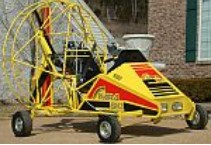
In 2005 ASAP introduced another member of the PPC family, the Steel Breeze and Mini Breeze conforming to the FAR 103 regulations.
The Standard 103 Mini Breeze airframe is a powder coated 1 ½ inch 4130 .049 chrome molly aircraft quality TIG welded frame cage, with a black anodized 6061T6 1 ¼ inch Aluminum Prop guard. The seat fuel cell holds 12 US gal, (limited to 5 gal for USA 103) with a deluxe black seat covers and 4 Point Safety harness for both seats.
Fitted with a GSC fixed pitch propeller (std prop is a 2 blade 64″), or a ground adjustable is optional.
Features are, 6” spun AL rim with CNC machined hub and high speed bearing (13” OD), Butterfly Steering wheel with u-joint controls, Dyno-focal motor mount, Stainless Steel cable and clamp with 4 point riser attach system, Mustang 380 Sq. Ft. high performance canopy with canopy bag and line socks included, Long handle Throttle Quadrant, Foot bars canopy steering system, and Unique bungee control shock dampening system. Used on many certified aircraft.
Width Standard wheels: 72 in
Overall width at prop guard: 72 in
Length: 101 in
Height top of prop guard Standard wheels: 85 in
Airframe weight, w/Parachute Wing: 140 – 145 lbs

