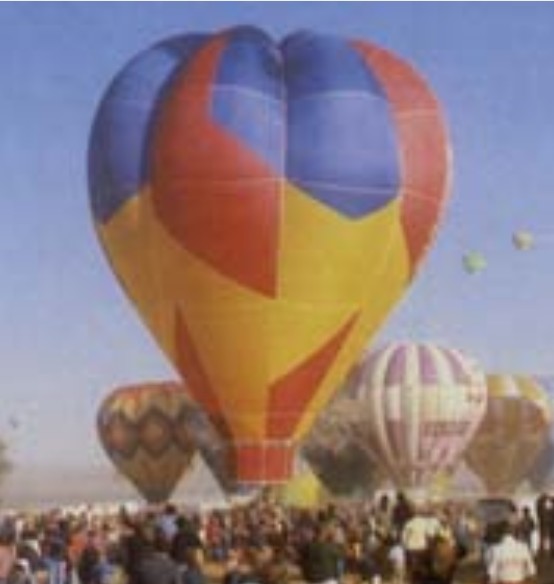
Starting in 1978, Thunder built the Bolt as an answer to Cameron’s successful Viva. Note the slim profile, which made the Bolt very stable when changing altitude.
Starting in 1978, Thunder built the Bolt as an answer to Cameron’s successful Viva. Note the slim profile, which made the Bolt very stable when changing altitude.
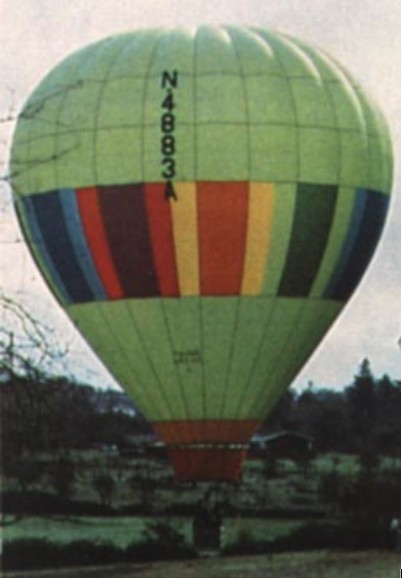
The Thunder Z-Type, introduced in 1977, won over commercial and sport pilots alike, with its favorable performance and up-to-date good looks.

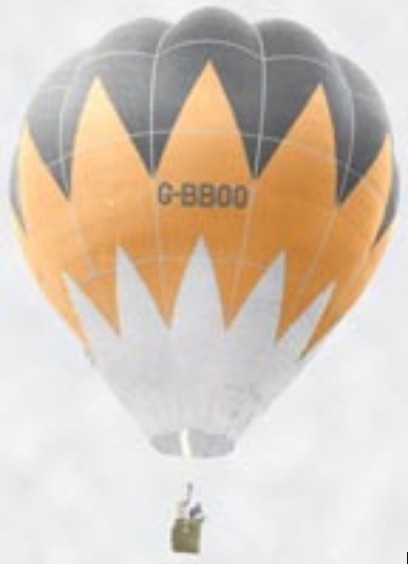
Introduced in 1974, the A-Type had a flat envelope with a parachute rip, and came in three sizes: 56, 69 and 77 (24-32 vertical-cut gores).
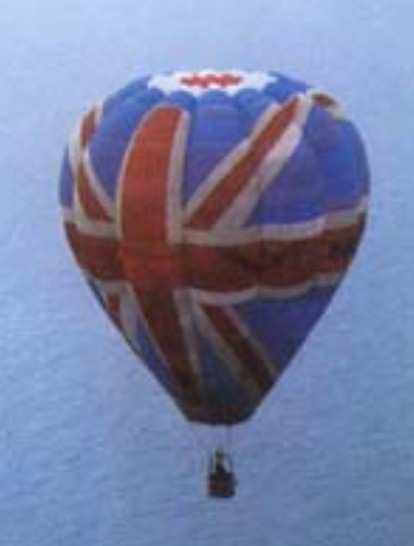
The first Thunder was Jumpin’ Jack (sometimes listed as Jumpin’ Jack Flash).
One of the early “Jack” balloons, TigerJack was built in 1973, and first flown in January 1974.
The 12-gore “Series One” envelope, patterned after Jumpin’ Jack, could be had in 5 sizes: 42, 56, 65, 77 and 84.
Variation:
Ruppenthal Eagle
Dick Wirth was an architecture student when he teamed up in the early 1970s with fledgling architect Tom Donnelly, and the two recruited businessman Kenneth Simmonds to form Thunder Balloons, Ltd. David Barker recalls that production took place at 75 Leonard St, London (should be ‘long about here). “Thunders were on the first and second floors of a warehouse building and everything had to be lifted up and down using an outside hoist. Thunders production commenced in late 1972 when Jumping Jack was registered; it made its debut at the Icicle meet, January 1973.”
The firm built what grew into a line of attractive, well-performing aerostats that quickly amassed market share around the world. The early “Series One” Thunders were distinctive for their bulbous gores and sharply tapering profile. Thunder began production of the smooth-envelope A-Type in 1974, and with the introduction of the Z-Type in 1977, had a thoroughly modern aircraft – lightweight and with a narrow shape favored for its performance in turbulence and at high rates of ascent and descent (presaging the narrow “competition balloons” now all the rage on the rally circuit). Thunder innovated constantly, introducing gimbaled burners, turning vents and the (production) parachute rip to the British market. Wirth penned what is perhaps the greatest ballooning book ever, Ballooning – A Complete Guide to Riding the Winds in 1980, and died in an infamous crash in Albuquerque in 1982. With much of its soul torn out, Thunder continued, having merged with Colt in 1980. ThunderColt continued production of Colt balloons, bringing the marque’s ultimate output to 99 before production ceased, but was ultimately bought by rival Cameron. Solid as the product was in its later years, the vigor and innovation of the Dick Wirth era will surely be the company’s lasting legacy.
1982: Thunder Balloons, 114 Sandalwood Court, Santa Rosa, California 95401, USA.
Thunder offered hot air balloons ranging in size from 19,000 to 140,000 cubic feet, with a capacity of one to eight passengers. Prices start at $6,384 and continue to $16,127 in 1982. Standard equipment includes a basket, instruments, two tanks, a bag and a burner.
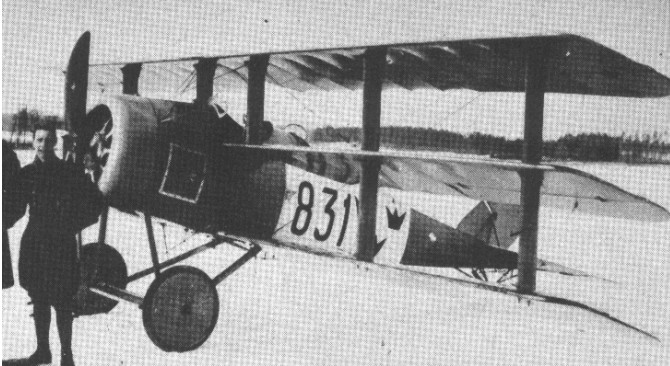
Biplane fighter
Engine: Thulin / Le Rhone
Top speed: 134mph / 215 kph
One built
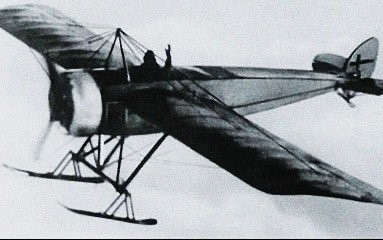
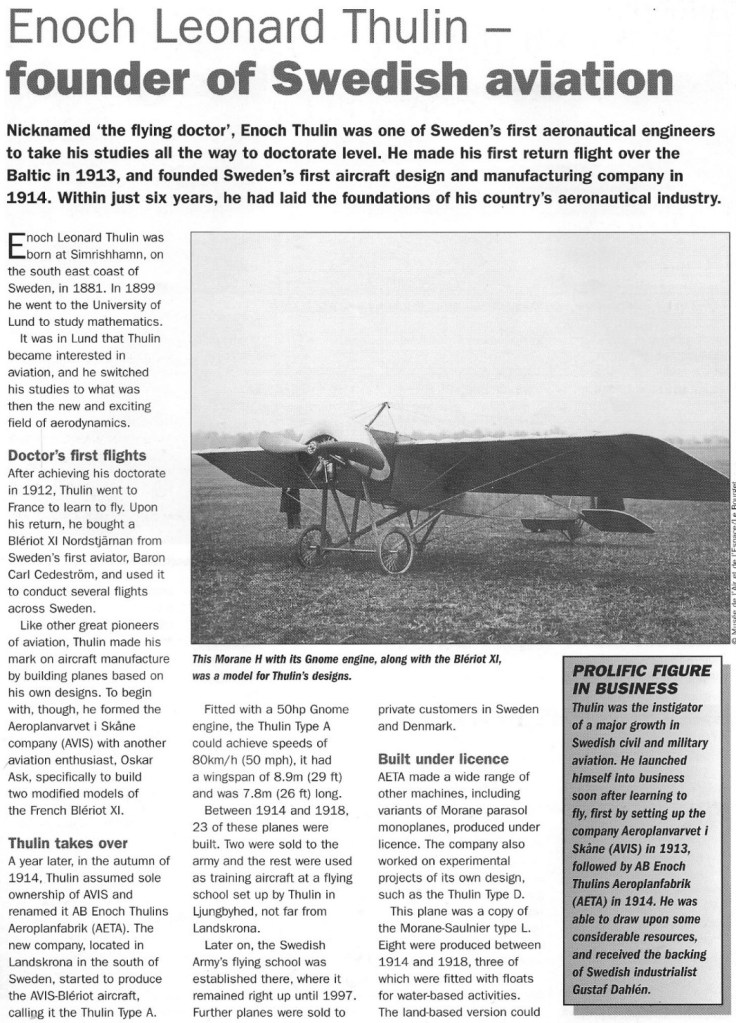
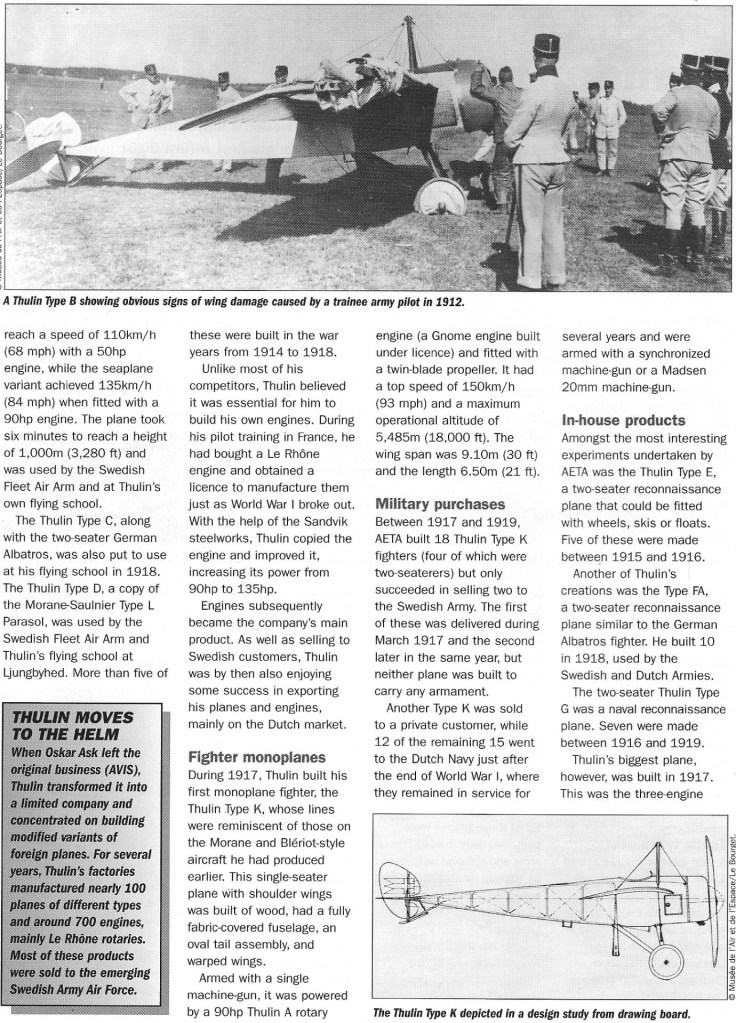
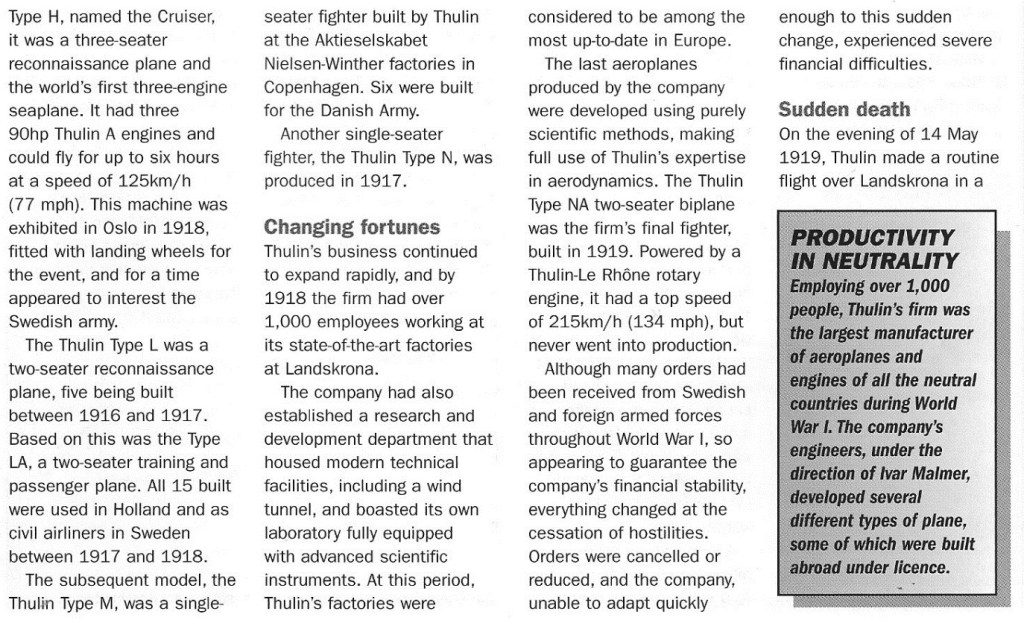
The Thulin K was based on the Nieuport IVG which they’d imported.
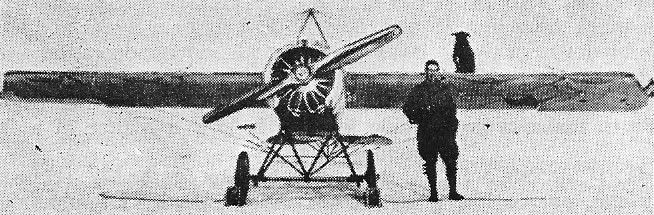
Eighteen Thulin Ks were built in 1917, sixteen going to the Dutch Army in 1920.
Engine: Thulin A, 105 hp
Wingspan: 29 ft 9 in
Length: 21 ft 4 in
Max speed: 93 mph
Cruise: 81 mph
Landing speed: 53 mph
Time to 3300 ft: 4 min
Ceiling: 20,000 ft
Biplane