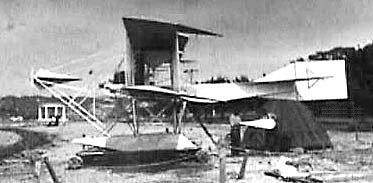
Willoughby War-Hawk

The Capt Hugh L. Willoughby War-Hawk built circa 1910 was described in Aero 10/14/11: “[Willoughby}, who built the famous War-Hawk, perhaps the largest biplane ever constructed…”
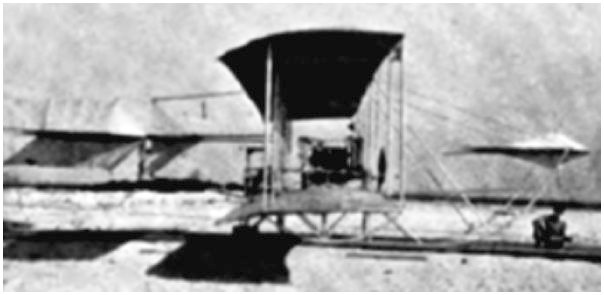
Hugh L. Willoughby (1856-1939) made his first flights in this machine at Atlantic City in the autumn of 1910. The pusher biplane with dart-shaped tail surfaces featured design cues from both Wright and Farman. It was powered by a 30 hp engine built by the Pennsylvania Automobile Co.
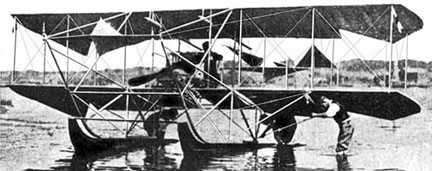
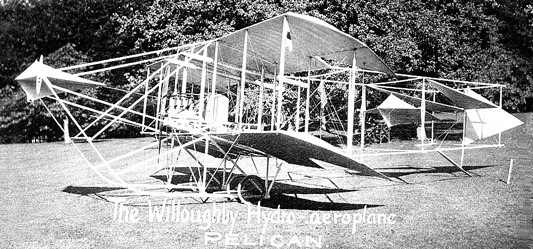
Willoughby Pelican

Willoughby Pelican

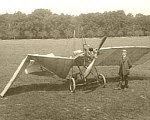
The 1911 Pelican was a single place “modernized” Wright-type hydroaeroplane by Capt Hugh L. Willoughby with a 50hp tractor engine; span: 30’0″. Patented double tails, brass-sheathed twin pontoons, a side-mounted wheel for pitch control, a control column that worked the rudders for yaw, shoulder-operated ailerons, and a spring-mounted pedal accelerator as in an automobile but working in reverse—depress to close the throttle, and foot off for full speed.

Willoughby Pelican on wheels

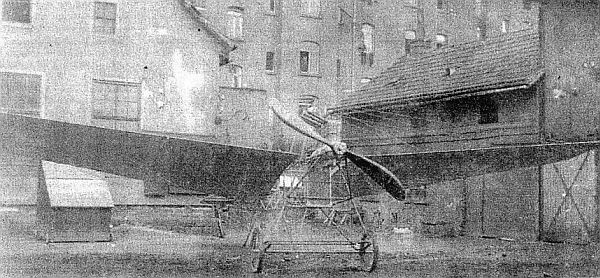
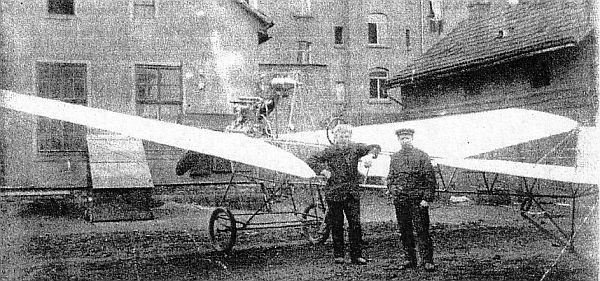
Willing Eindecker Nr.3

Karl Willing’s third monoplane and first Gotha aeroplane. Willing had already built two monoplanes, when in 1912, lacking money for further work, asked for help from the Gothaer Waggonfabrik (Thüringen). This third monoplane was built in the old Gothaer Waggonfabrik shops and was powered by a 70 hp RAW engine. The machine was offered to the army but refused before it was ever flown, and apparently it never was.

Willie Sopwith Triplane

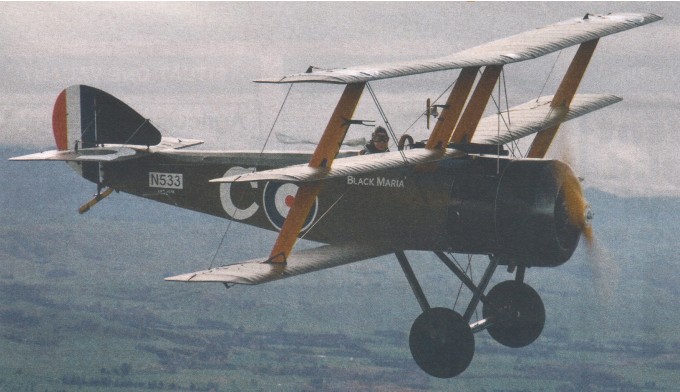
Chad Willie of Corning, Iowa, USA, has built several examples of Sopwith Triplane replicas working from original drawings and dimensions, but incorporating some modern construction techniques including steel tube fuselage, a modern engine, and simplified wing construction.

The Vintage Aviator Ltd fitted a Russian M-14P direct drive 9 cylinder 220 hp radial and one of its own replica Vickers machine guns. The top speed is about 115 mph and it lands at a comfortable 40 mph.