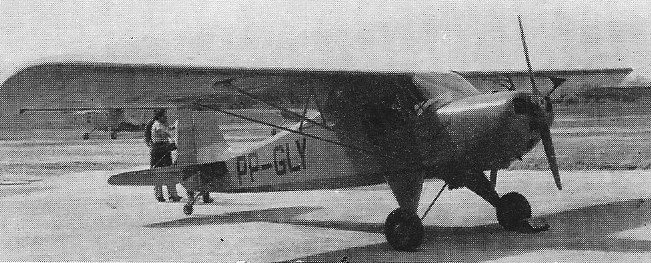
Built in quantity by Fabrica do Galleao at Rio de Janeiro, Brasil, the Niess Maranho side-by-side two seat cabin monoplane was used by several Brazilian flying clubs.
Powered by a Continental C85. The Maranho has dual controls and is of mixed construction with plywood and fabric covering.
Engine: Continental C85, 85 hp Wingspan: 34 ft 6 in Length: 22 ft Height: 6 ft 6 in Empty weight: 886 lb Loaded weight: 1270 lb Max speed: 110 mph Cruise: 97 mph ROC: 770 fpm Range: 280 mi
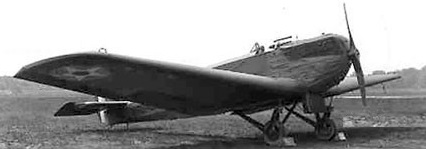
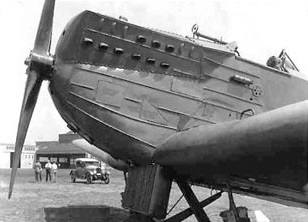
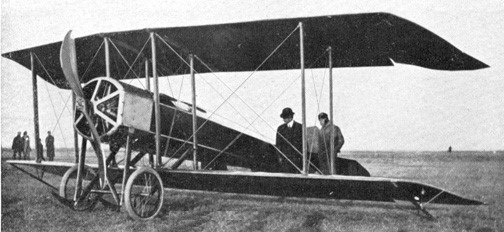
The Gallaudet DB-1 Army Day Bomber AS64238 of 1923 was so overweight it was used for ground tests only. It was an open cockpit, low wing monoplane.
DB-1 AS64238
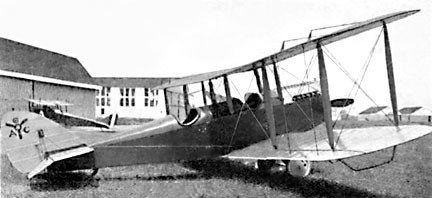
The DB-1B AS64239 was a new and modified biplane design. It flew on 1 August 1923, but displayed enough bad habits to warrant rejection by the military.
DB-1 Engine: 700hp Engineering Division W-1A-18 Wingspan: 67’0″ Length: 44’0″ Useful load: 1953 lb Max speed: 144 mph Cruise: 128 mph Range (est): 900 mi Seats: 2
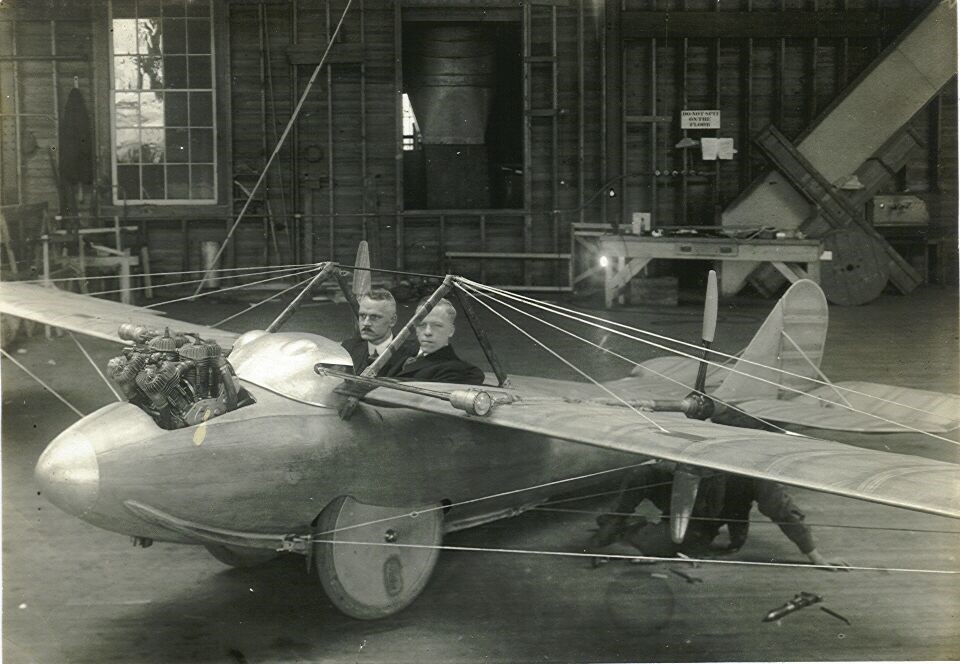
Gallaudet took advantage of the tremendous public fascination with flight and came up with an unusual twin-pusher prop sport plane with a pair of 18 horsepower engines called the Chummy Flyabout.
The little two-seater, built in the Warwick factory, was priced at $3,500, a hefty sum for the day. A 1919 glossy marketing brochure suggested the plane could “be flown to the golf or country club and landed on the fairways.” Readers were tempted with “the joy of flying is to be had for the asking” and “weekend trips to neighboring estates.” Owners could fly “around the ranch or commute to the office by air.” A newspaper advertisement offered the plane as an alternative to courting by automobile and suggested “imagine calling for your young lady in a Flyabout and soaring above the clouds.”
The Chummy was only eighteen feet, seven inches in length, with a 33-foot wingspan. The cockpit was a tight fit for two adults. The Chummy Flyabout was a two-seat biplane, powered with two 18 hp Indian motors driving pusher propellers. Either or both of the air-cooled engines could power the twin 48-inch props through complicated shaft and bevel transmissions. The whole plane weighed only 600 pounds empty (the literature does not indicate how much weight it could carry).
Gallaudet’s company even offered to provide plans for a complete aviation club, including flying lessons, hangars, fuelling station, tools, and a support staff. But only a handful of the little planes were ever built.
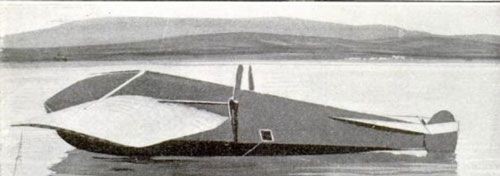
Gallaudet’s second aircraft, the Model B monoplane flying boat, continued the arrangement of an engine enclosed in the fuselage driving remote propellers, in this case a pusher propeller behind that trailing edge of each wing panel. The Model B was flown several times during 1913 and 1914 with several different engines, but does not appear to have been particularly successful.
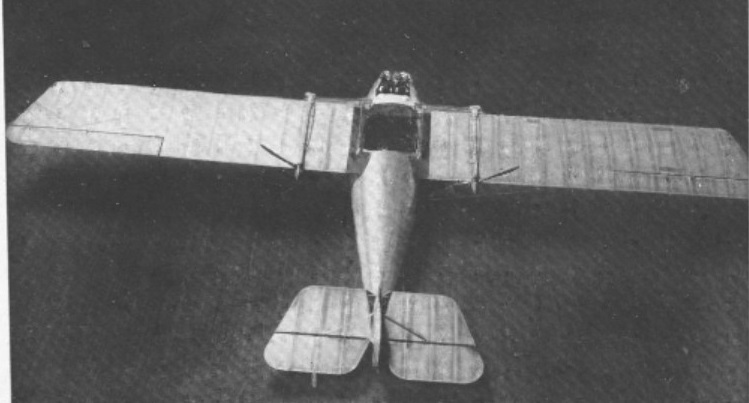
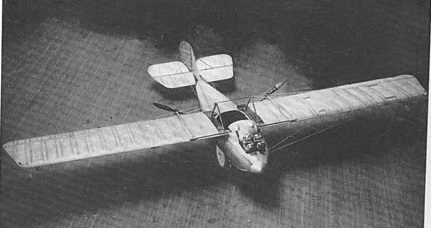
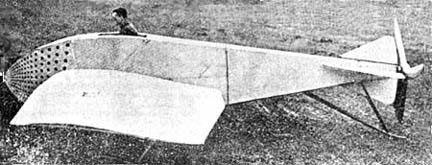
The 1912 A-2 Bullet was an evolution of the A-1 with a round, stringer-formed fuselage and variable-incidence wing with single-tube main spar and ribs made of aluminum tubing. Only one was built which crashed during a speed run of 110mph on 24 July 1912.
The A-1 Bullet of 1912 had a streamlined, four-sided, wood fuselage with a three-bladed prop mounted on the tail, driven by extended crankshaft from the fully-enclosed motor. It was twice as fast as biplanes of the era.