Handley Page HP.22 / HP.23

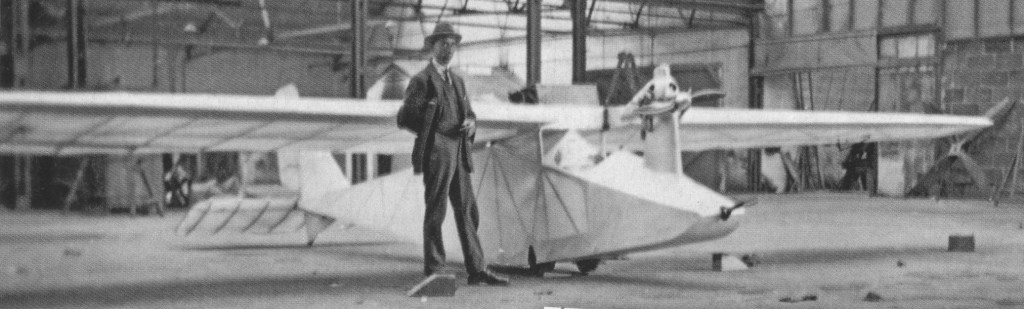
In 1923, the HP.22/23 motor glider was designed by W.H.Sayers, three were entered for the Lympne light aeroplane competitions of that year.
The first, No.23, was initially powered by a pylon mounted air cooled 397cc ABC flat twin. It failed to fly, even when repowered with a 500 cc Douglas.
Attempted catapult launches by four men pulling a rubber cord also failed and No.23 was scratched from the competition.

Handley Page HP.21 / Type S / HPS-1

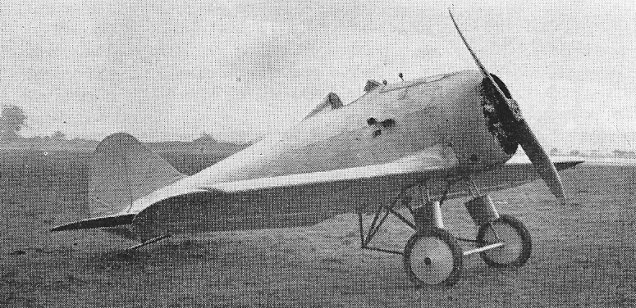
S-2 (left), S-1 (right)

In 1921 the United States Navy drew up a specification for a single-seat fighter aircraft capable of operating either as a landplane from its aircraft carriers or from the water as a seaplane, seeking designs from both American and European companies. The British aircraft manufacturer Handley Page, which had recently developed the leading edge slot, realised use of slots and flaps could allow a high-speed monoplane to fly at the low speeds needed for carrier operations with a much higher wing loading than a normal biplane, and decided to develop an aircraft to meet this requirement.

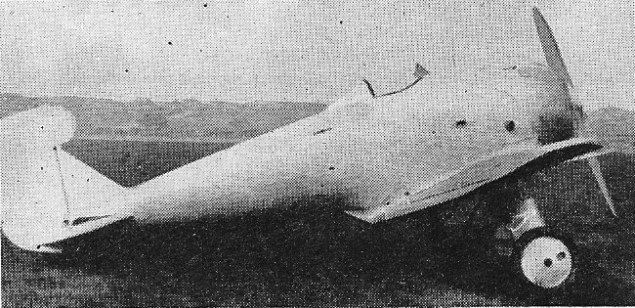
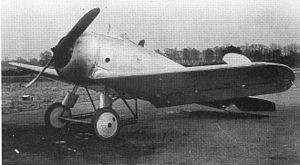
The resulting design, given the Handley Page designation Type S (and later retrospectively known as the H.P.21) was a small, low-wing cantilever monoplane, with full-span leading edge slots and full-span slotted flaps. The airframe was a plywood monocoque, with the fuselage capable of being broken into two sections for storage on board ship. It had a tailwheel undercarriage that could be replaced by two floats. Although designed to use engines of up to 400 hp (298 kW), the prototypes were fitted with a much less powerful surplus Bentley BR2 rotary engine.

The US Navy placed an order for three prototypes, designated HPS-1 (Handley Page Scout) in the contemporary US Navy designation system. The first prototype flew on 7 September 1923, but proved to have poor handling, with the rudder proving to be ineffective. The second prototype was built with its wings fitted with six degrees of dihedral, flying in February 1924. It had much improved handling, and showed good speed at low level. However, when undergoing full load trials for the US Navy at Martlesham Heath, it was wrecked when its undercarriage collapsed on landing, and the US Navy cancelled the contract, with the third prototype, intended to be a floatplane, not completed.

Powerplant: 1 × Bentley BR2, 230 hp (170 kW)
Propeller 2-bladed fixed-pitch
Wingspan: 29 ft 3 in (8.92 m)
Wing area: 114.5 sq ft (10.64 m2)
Length: 21 ft 5.5 in (6.541 m)
Height: 9 ft 7 in (2.92 m)
Empty weight: 1,320 lb (599 kg)
Max takeoff weight: 2,030 lb (921 kg)
Maximum speed: 146.5 mph (235.8 km/h, 127.3 kn)
Stall speed: 44 mph (71 km/h, 38 kn)
Endurance: 3 hours
Service ceiling: 21,000 ft (6,400 m)
Rate of climb: 1,800 ft/min (9.1 m/s)
Crew: 1
Armament: Provision for 2× .30 in (7.62 mm) Marlin machine guns

Handley Page HP.19 Hanley

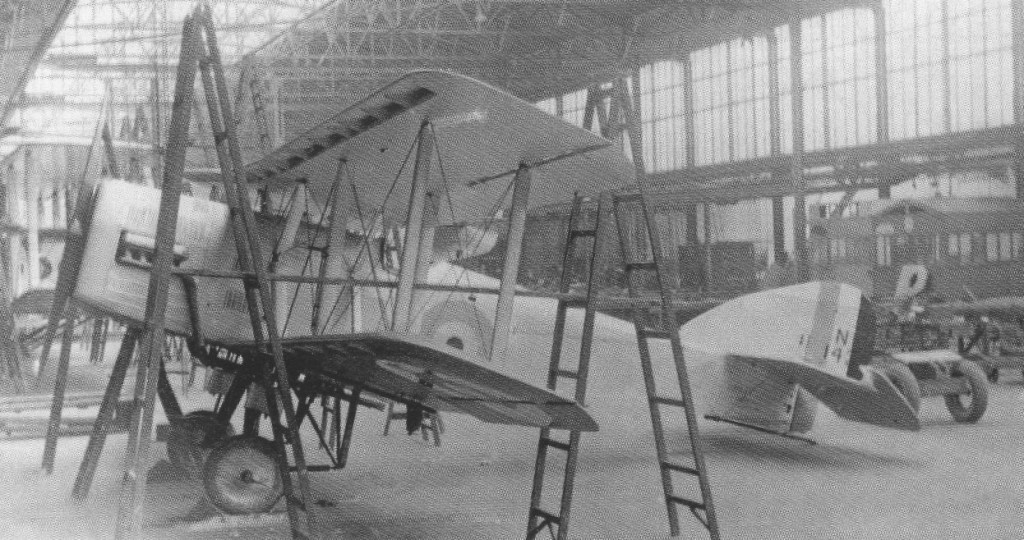
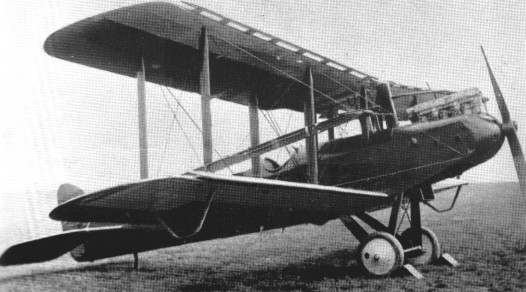
In response to specification 3/20 for a single seat deck landing torpedo carrier Handley Page built the HP.19 Hanley.
The all wood Hanley had folding wings with full span leading edge slats and a divided undercarriage to fit a torpedo.
Three were powered by a 450 hp Napier Lion IIB, the first, N143, first flew on 3 January 1922. Despite extensive modification trying to improve performance, the type did not enter production.
Two, one prototype and one new airframe were supplied to Russia.

Handley Page Type W / W/400 / W.8 / W.9 / W.10

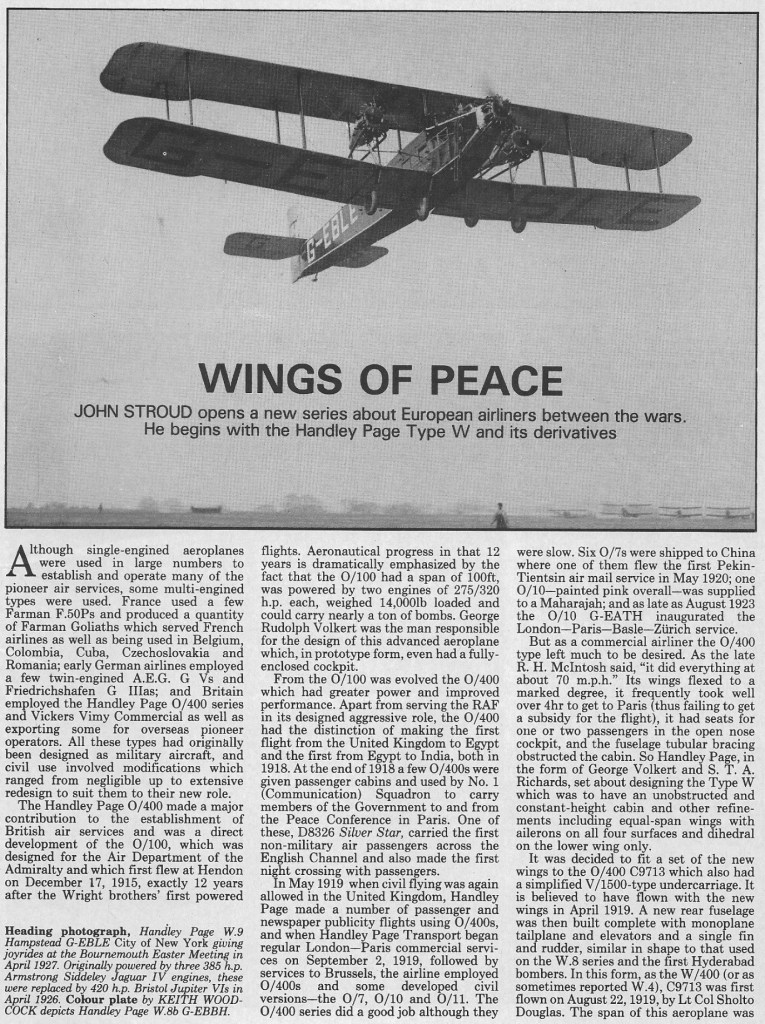
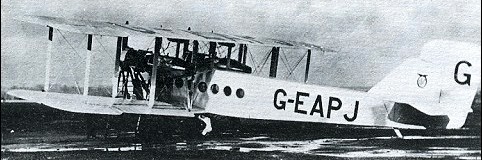
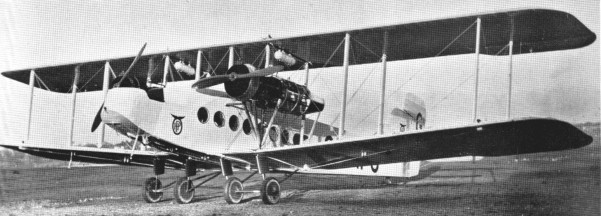
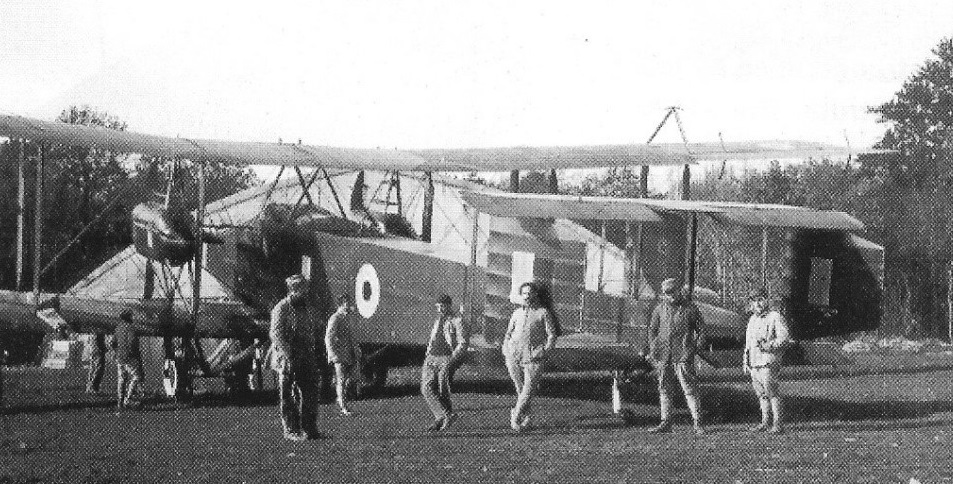
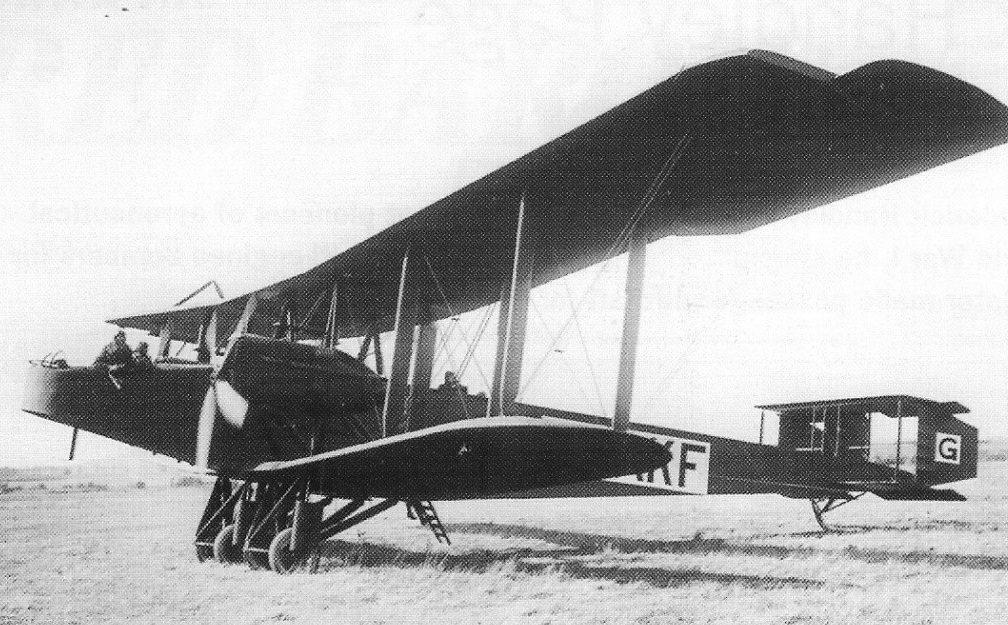
Following its initial services into Europe with modified O/400 bombers shortly after the first World War, Handley Page Transport operated a series of two and three-engined developments of the bomber, designated W8, W9 and W10.

Handley Page Type W Article

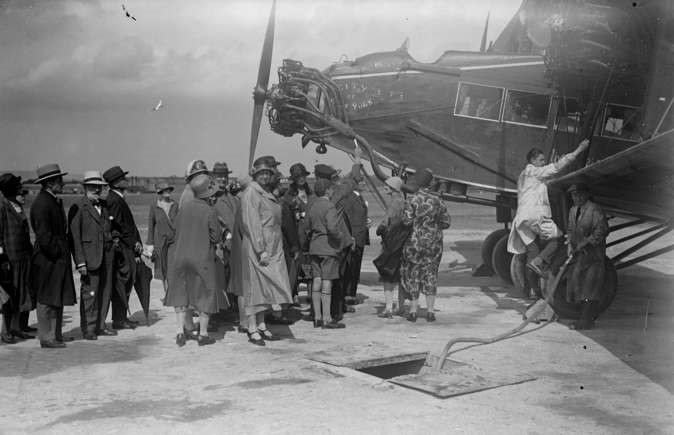
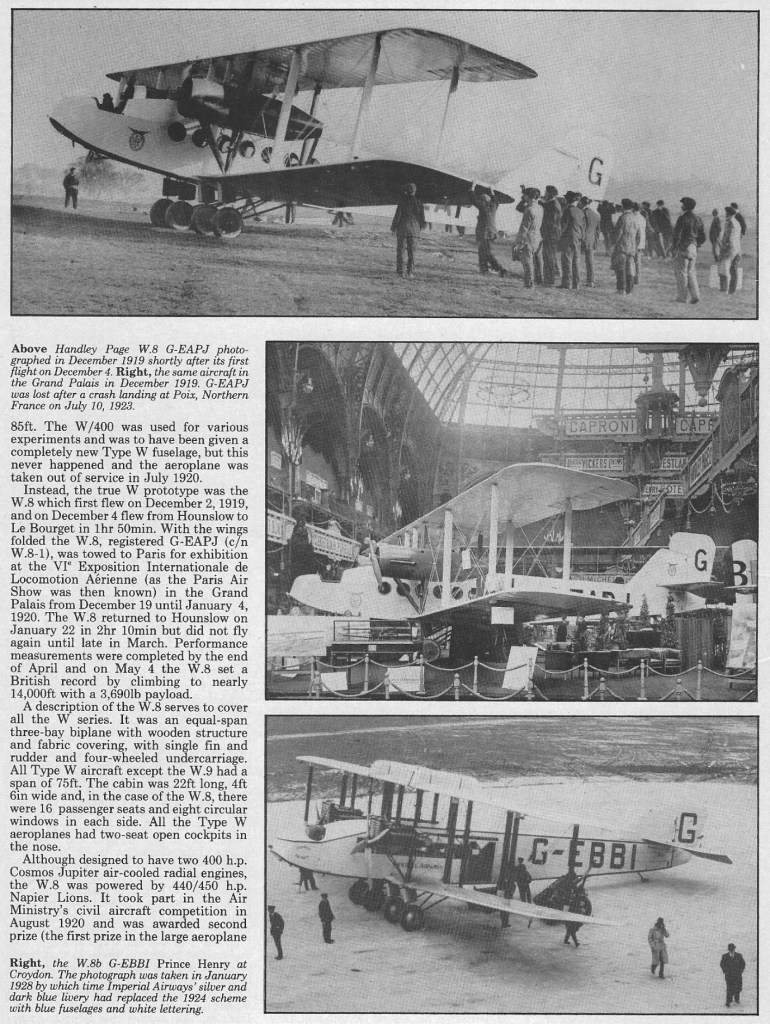
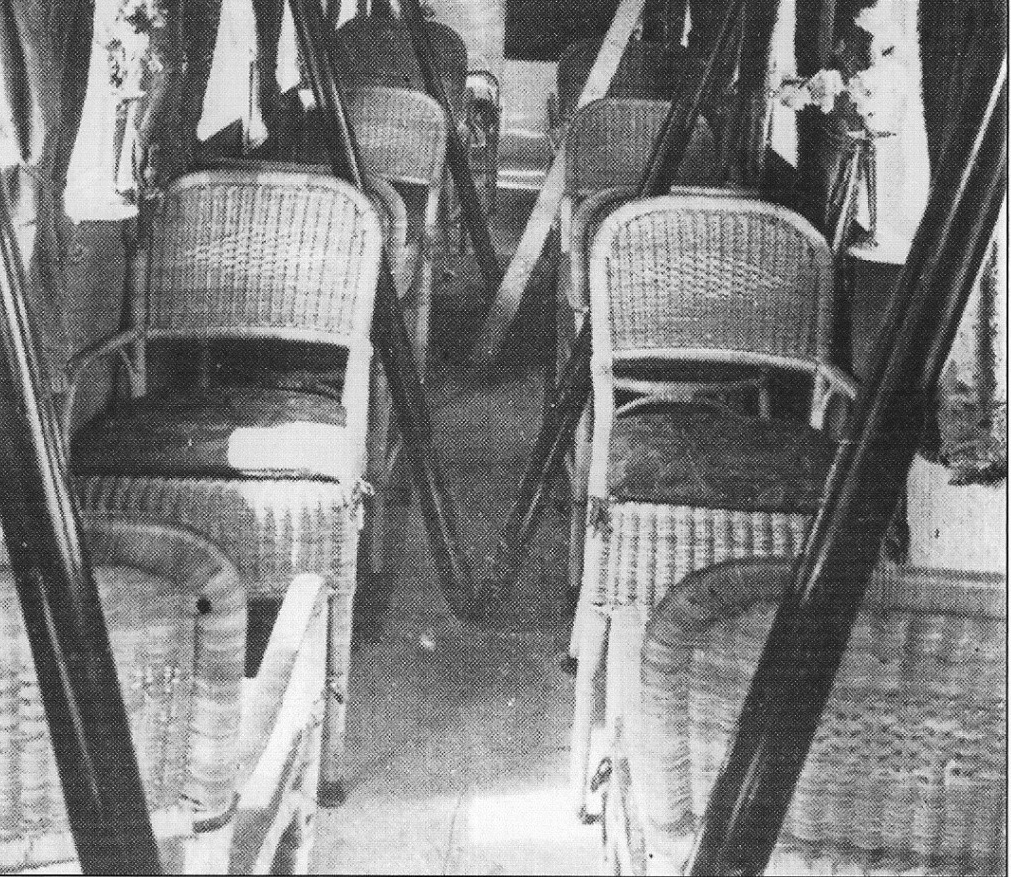
First flown on 2 December 1919 the W.8 had twelve passenger seats in two rows in a glazed cabin, while the pilot and co-pilot sat in an open cockpit in the nose of the fuselage.
Powered was 335kW Napier Lion IB engines.
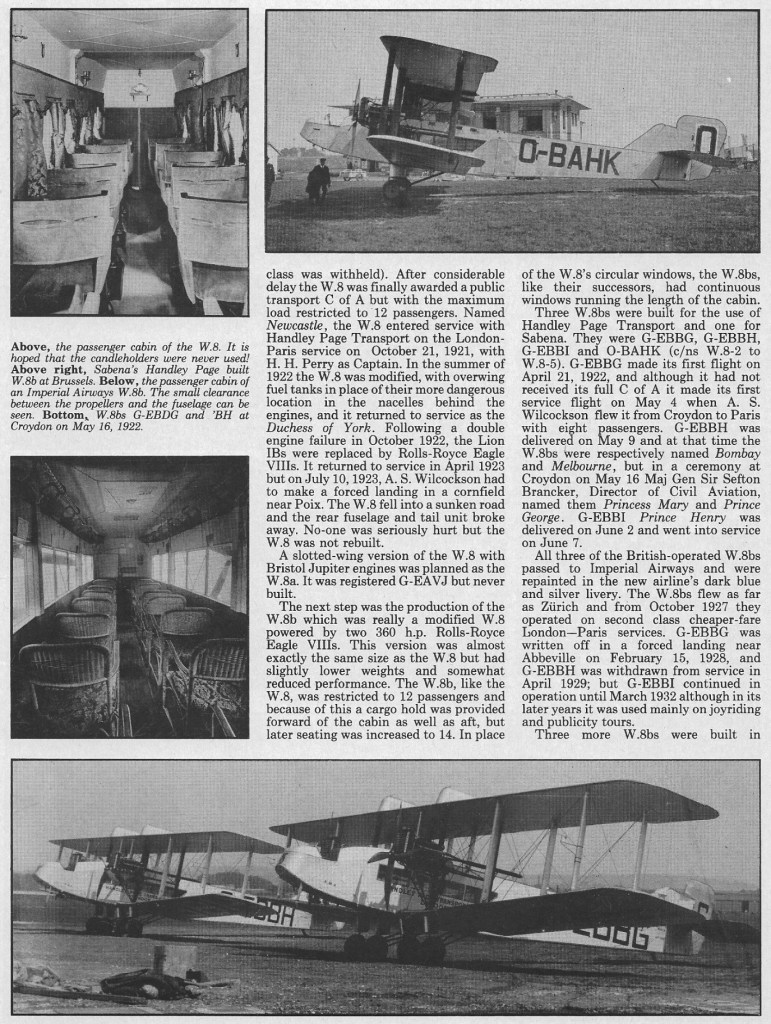
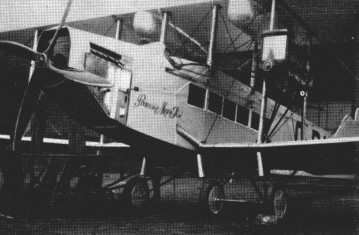
The Handley Page W.8B (three of which were originally operated by Handley Page Transport and then from 1924 by Imperial Airways on its London-Paris service) was a refinement of the original W.8. The W.8Bs each had two 268kW Rolls-Royce Eagle VIII engines. The last W.8B was retired in 1932.
A trio of W8bs named Princes Mary, Prince George and Prince Henry, started a London Paris service in May 1922.

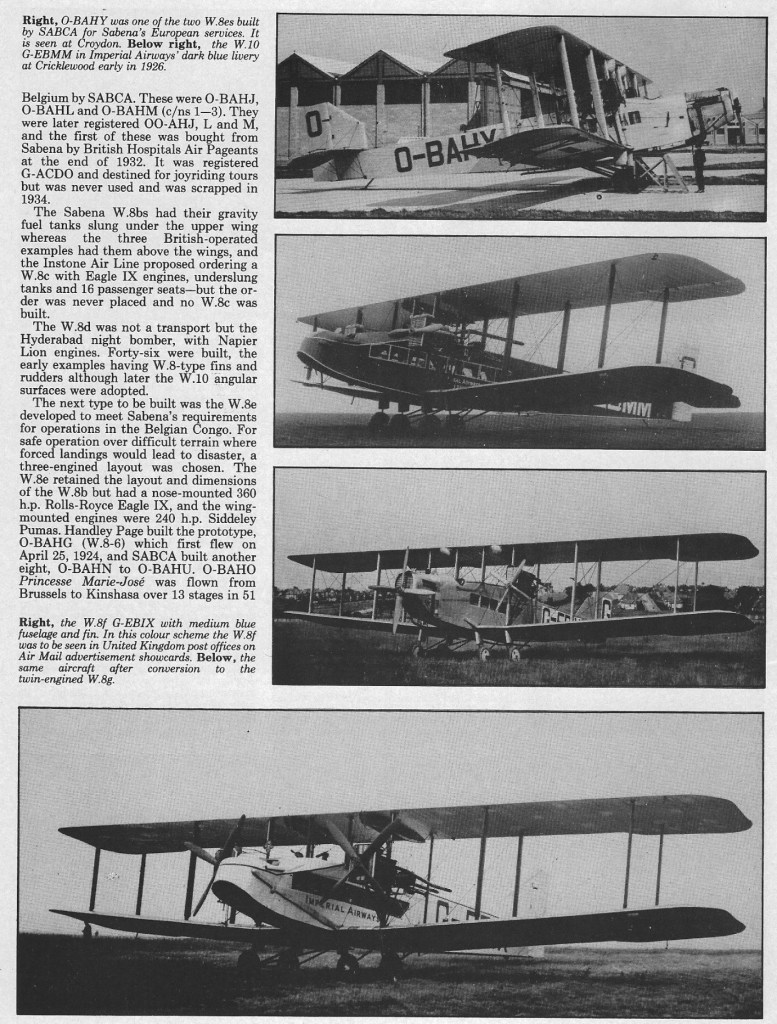
In addition to the British-operated W.8Bs, one was built and exported to Belgium, where SABCA licence-built three more for Sabena. Handley Page also delivered a single example of the W.8E, with two 171kW Siddeley Puma and one nose-mounted 268kW Rolls-Royce Eagle IX engines. Eight were subsequently licence-built in Belgium.
The final new W.8 version, the W.8F Hamilton, was similar to the W.8E and had been designed to be used in the Belgian Congo. Practically a standard W.8B, the nose of the fuselage ahead of the cabin was considerably modified. One of these machines in 1925 completed a flight from Brussels to the Belgian Congo, a distance of 11,000km, piloted by Lt Thieffry, of the Belgian Army, accompanied by Mecanicien De Bruycker.
Imperial Airways received only one W.8F

W.8f Hamilton

The HP.24 Hyderabad was a military derivative.

Following its initial services into Europe with modified O/400 bombers shortly after the first World War, Handley Page Transport operated a series of two and three-engined developments of the bomber, designated W8, W9 and W10.

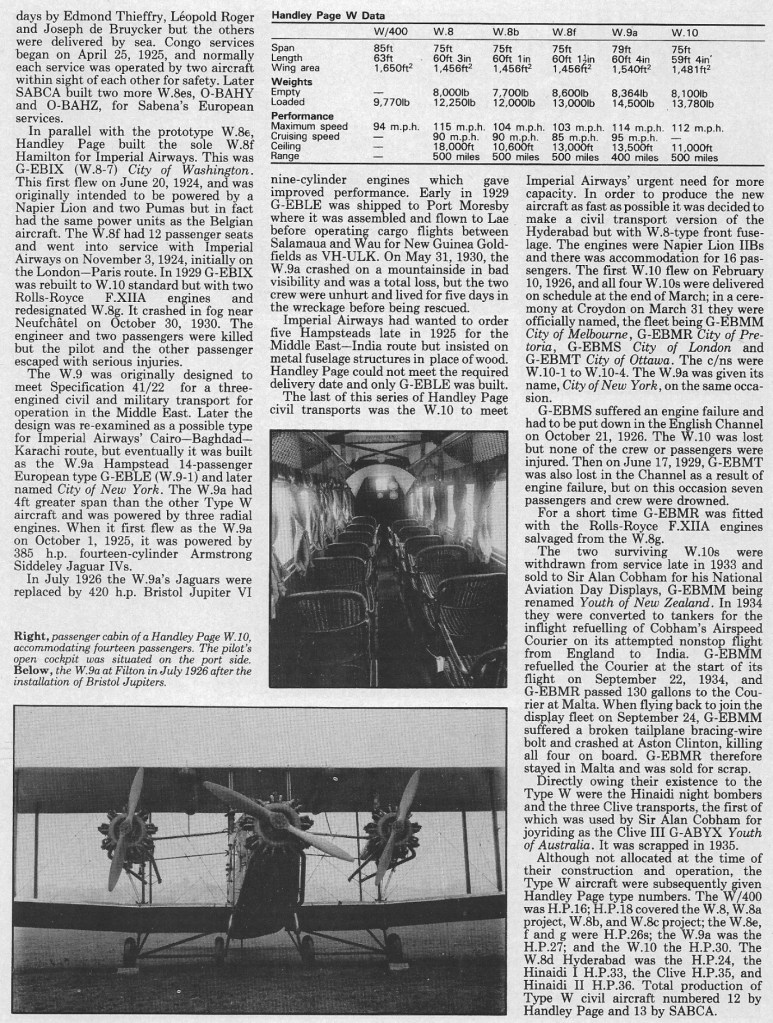
Imperial Airways received one W.9A Hampstead and four W.10s (the last retired in 1933). The Hampstead was powered by three 287kW Siddeley Jaguar and then 335kW Bristol Jupiter VI engines and had a 5.31m long, 1.35m wide and 1.78m high passenger cabin for 14 persons.

The W.10s each had two 335 kW Napier Lion IIB engines and featured a new type of rudder, fitted with a balance of the inset-hinge type, instead of the earlier horn-balance arrangement. The W.10 featured an entirely metallic structure for the engine mountings, replacing the usual wooden bearers.

Imperial Airways received W.10s (the last retired in 1933).

Gallery

W8b
Engines: 2 x Rolls Royce Eagle VIII, 360 hp
Props: 10 ft 6 in (3.20 m) 4 blade.
Wing span: 75 ft. (22.86 m).
Length: 60 ft.1 in (18.31 m).
Wing area: 1456 sq ft (135.26sq.m).
Gross wt: 12500 lb (5,670 kg).
Max speed: 104 mph (167 km/h).
Range: approx 500 miles (800 km).
Crew: 2.
Pax cap: 12.

W.9a Hampstead
Engine: 3 x Siddeley Jaguar, 287kW
Max take-off weight: 6577 kg / 14500 lb
Empty weight: 3794 kg / 8364 lb
Wingspan: 24.08 m / 79 ft 0 in
Length: 18.39 m / 60 ft 4 in
Wing area: 145.30 sq.m / 1563.99 sq ft
Max. speed: 183 km/h / 114 mph
Ceiling: 4115 m / 13500 ft
Range: 644 km / 400 miles

Handley Page HP.15 / V/1500

Chief designer George Volkert designed the even bigger four-engined V/1500, but the Armistice was signed before it became operational.

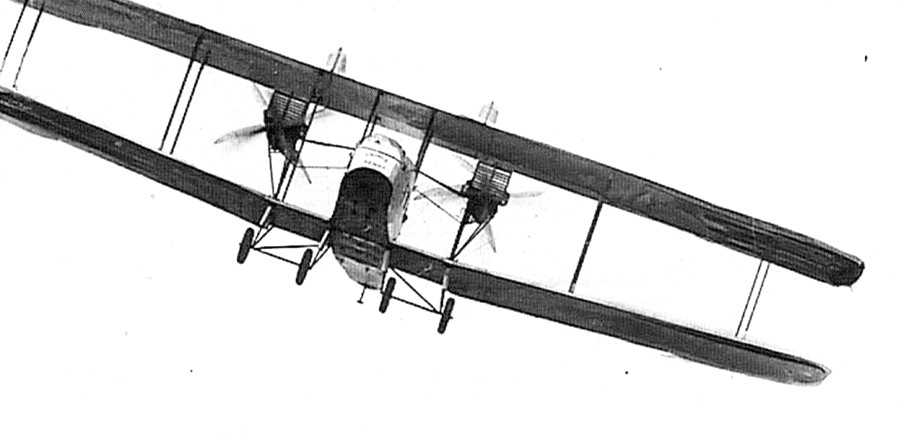
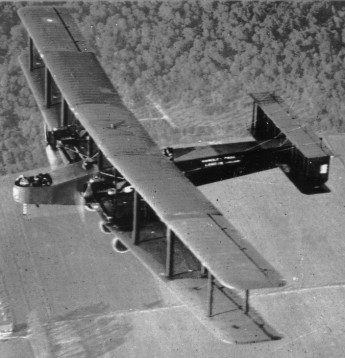
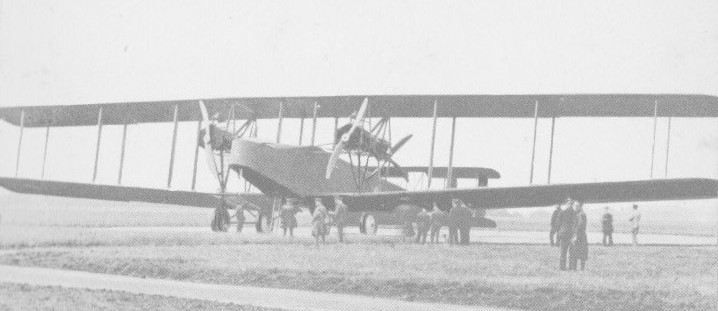
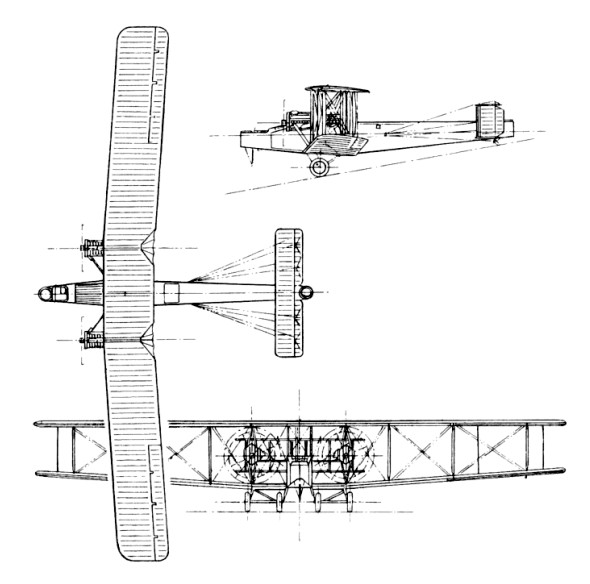
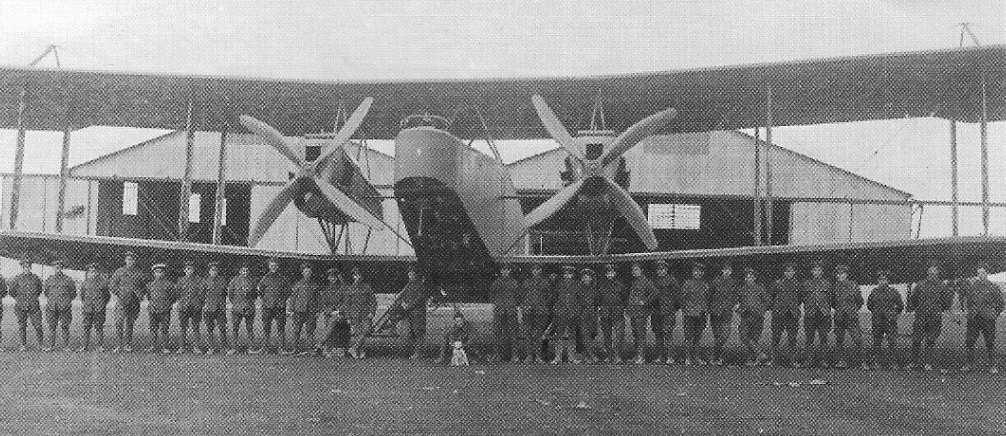
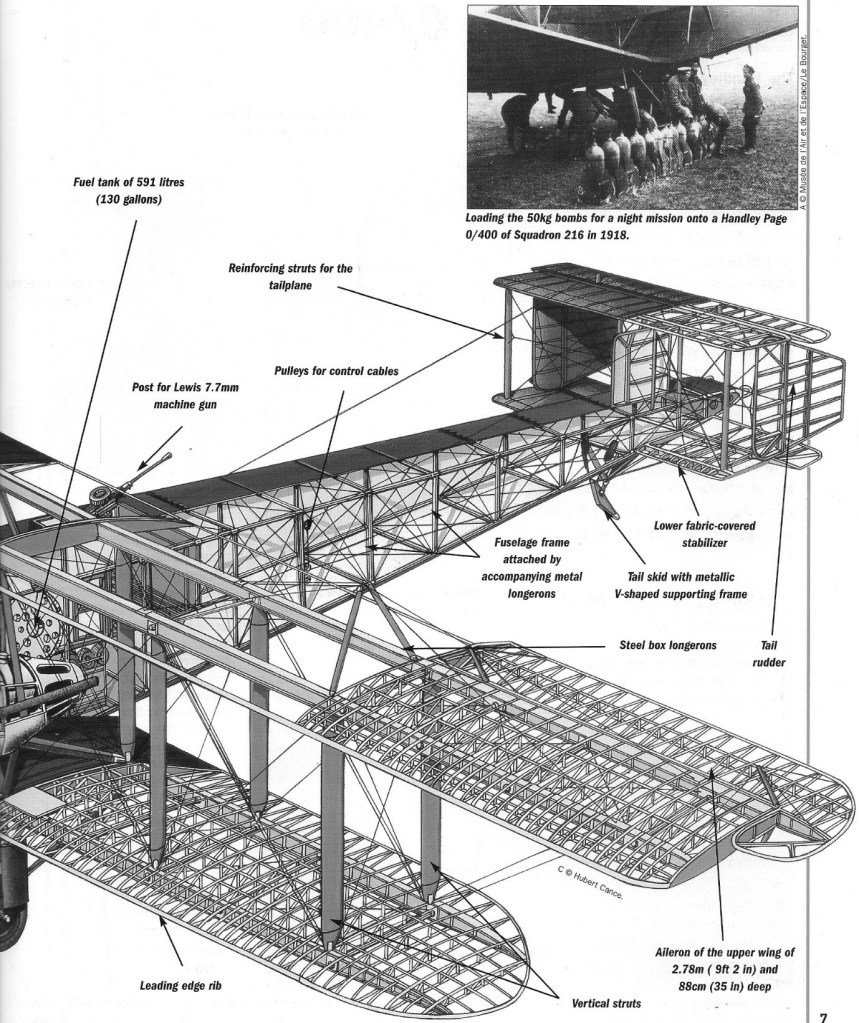
The V/1500 was of conventional construction. The 64ft 4in long fuselage was mainly of silver spruce, with ash cross¬ beams strengthening the bomb bay. The folding wings were also of spruce with cross bracing tie rods and, except for the plywood sheathed nose section contain¬ing the open cockpit, the aeroplane was fabric covered. The four engines installed in tandem pairs in mid gap were 12 cylinder 375 hp geared Rolls Royce Eagle VIIIs. The tractor units turned 13ft 5in ¬diameter two bladed propellers, and the pushers drove four bladers of 10ft 4in diameter.

Ordered as an experimental bomber in the summer of 1917, the V/1500 was envisaged bombing Berlin from bases in England and was designed to carry five tons of crew and disposable load. The Armistice intervened before the weather was sufficiently favourable for the three machines delivered to fly to the German capital. Power for each aircraft was provided by four 279.5kW Rolls-Royce Eagle VIIIs mounted in tandem pairs.
To accelerate its introduction to RAF ser¬vice, production was ordered in January 1918, ahead of first flight, although the V/1500 took to the air for the first time on 22 May 1918, only nine months after definitive design had begun. The first prototype did crash in April that year.

At 126 ft it had the longest wingspan of any bomber the RAF would operate, but the type was too late to see service before the war ended. Nevertheless, with an endurance of 17hr it was ideally suited to long range flights, and its four engines, mounted between the upper and lower mainplanes as tractor/pusher pairs, gave it at least some measure of redundancy.

In October 1918, the Independent Force received its first bombers, each planned to drop 7,500 lb of bombs on the German capital. A Flight was formed at Bircham Newton and received its three machines early in November, just prior to the end of hostilities.

255 aircraft were ordered, but only three were operational with No.166 Squadron at the time of World War l’s end, and only about 32 were completed by the parent company, Beardmore in Scotland and Harland and Wolff in Northern Ireland.
The first long flight of a V/1500 was from England to India in 1919, which included one stretch of 1,285km over water and another non-stop stage of 1,610km from Cairo to Baghdad. Flown to India by Lt. ‘Jock’ Halley, DFC, AFC, the smallest pilot in the RAF in charge of the biggest aeroplane in the world. With him went Brig.-General McEwan.

In spite of fears that it might not get over the Pathan Hills with a bomb load, Halley bombed Kabul, blowing out the walls of the Emir’s Zenana.

Only three squadrons (Nos 166, 167 and 274) ever received the type, which made some long-distance flights including the bombing of Kabul in 1919 from bases in India. The type disappeared from service in the early 1920s when it was appreciated that the smaller Vimy could undertake the same basic role at lower manpower and operating costs.

Gallery

V/1500
Engines: 4 x Rolls-Royce Eagle VIII, 280kW (375 hp).
Props: front – 2 blade, rear – 4 blade
Span: 38.41 m (126 ft)
Wing area: 2,800 sq.ft
Length: 19.51 m (62 ft).
Height: 23 ft. / 7.01 m
Empty weight: 7983 kg / 17,600 lb
MTOW: 13608 kg (30,000 lb).
Fuel capacity: 1000 Imp Gal
Max speed: 159 km/h / 99 mph at 6,500ft
Cruise speed: 75 mph.
Stalling speed: 38 mph.
Service ceiling: 11,000 ft
Operational range: 1,300 miles.
Endurance: 6 hr
Armament: 4 or 8 x 7.7-mm (0.303-in) Lewis mg / 3402 kg (7,500 lb) bombs
Crew: 5-7