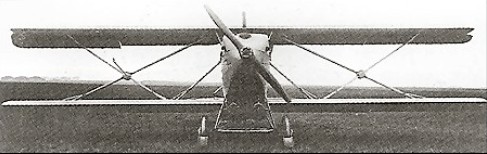
Hanriot HD.15

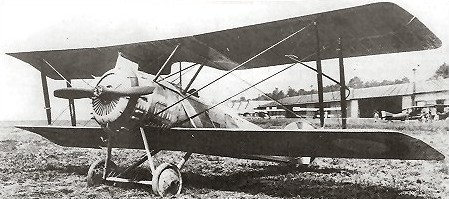
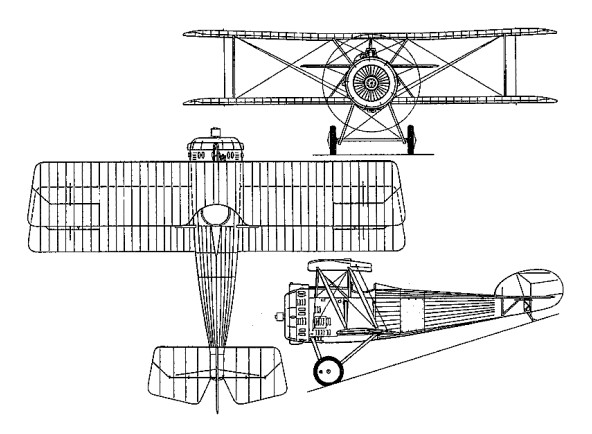
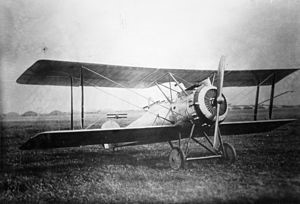
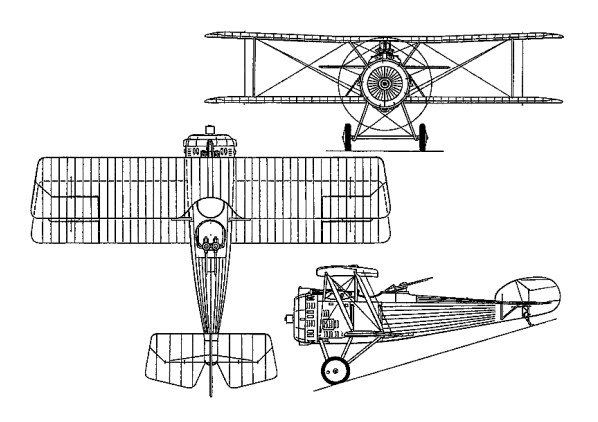
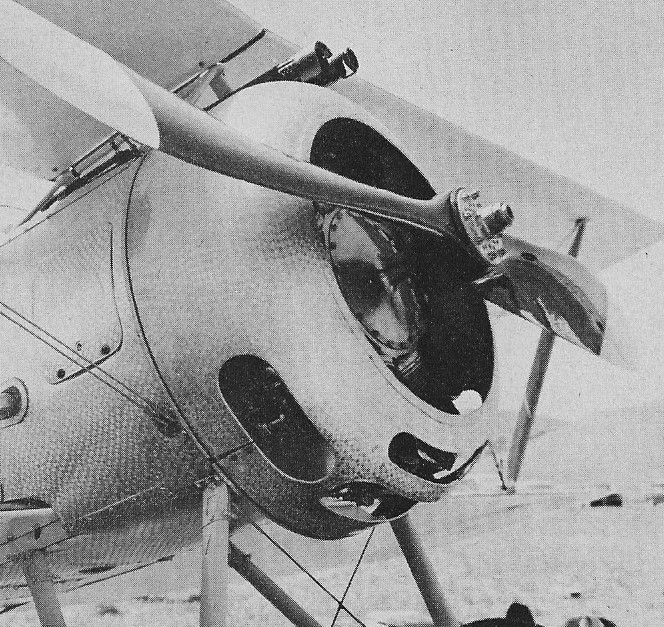
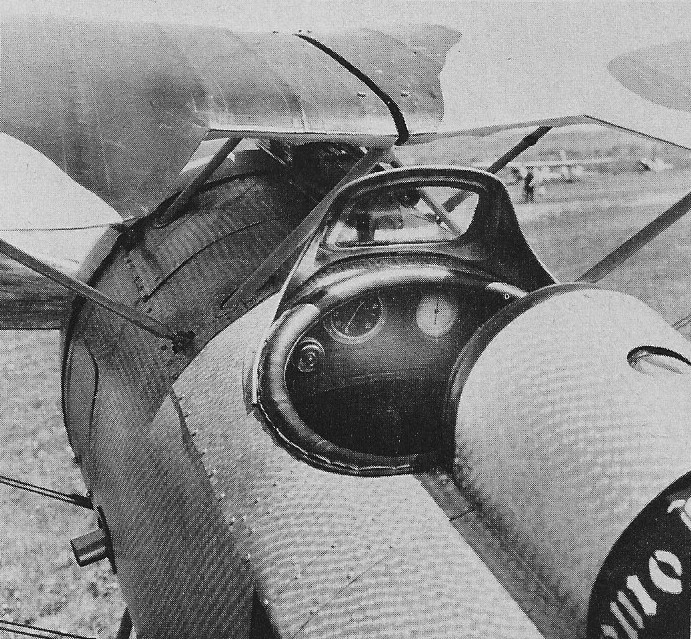
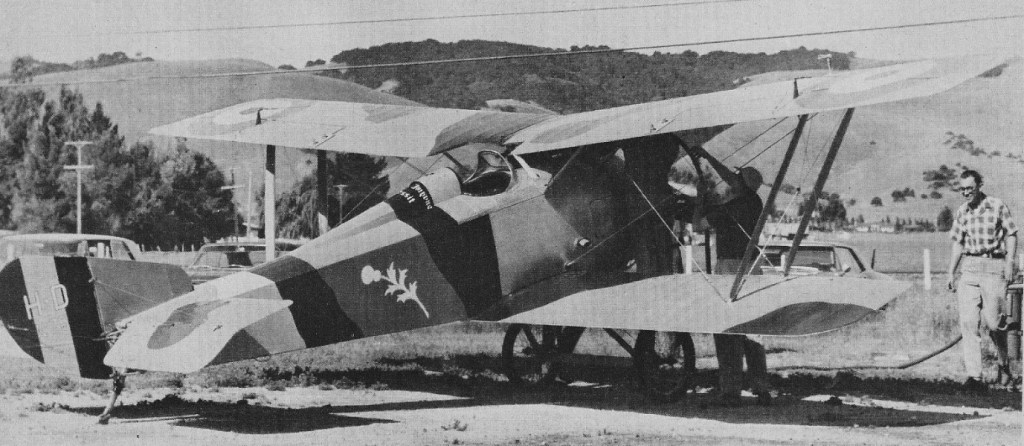
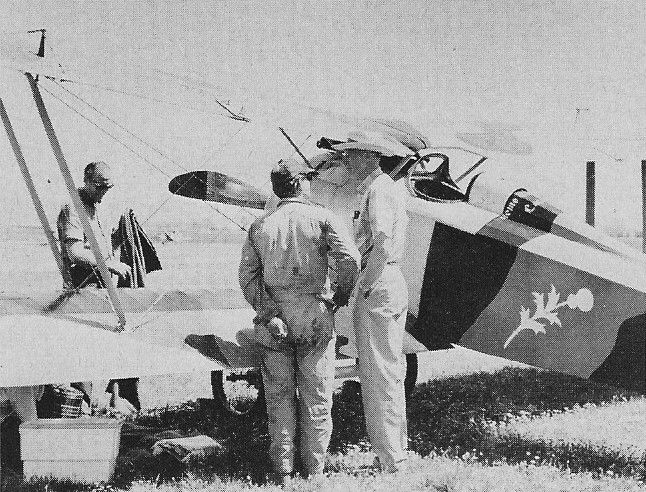
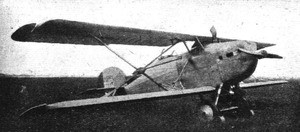
Under the technical development programme formulated in April 1919 by General Duval, the newly-appointed Directeur de l’Aeronautique, two categories of turbo-supercharged fighter were called for, one single-seat and the other two-seat. The two-seater came within the CAP, or fighter-reconnaissance, category, and Hanriot’s contribution to this programme was the HD.15, which, designed by Emile Dupont, was flown for the first time at Orly in April 1922. This competed with the Gourdou-Leseurre GL-50. The HD.15 was a tandem two-seat, unstaggered biplane employing rigid-X type interplane bracing. It was powered by a 300hp Hispano-Suiza HS 8Fb eight-cylinder water-cooled engine equipped with a Rateau turbo-supercharger which was intended to maintain sea level engine power to 5500m altitude. Armament comprised two fixed forward-firing 7.7mm Darne machine guns and two weapons of the same calibre on a swivelling mounting in the rear cockpit. In the event, the CAP category had been discarded before the flight testing of the HD.15 commenced and the entire turbo-supercharger fighter programme became something of a fiasco as a result of unavailability of the Rateau unit in quantity. However, the Japanese Army had begun to show interest in the potentiality of turbo-supercharged engines, and purchased the prototype HD.15, which was delivered in 1926. An order was placed for three identical examples of the HD.15, but, in the event, the vessel delivering the aircraft was struck by a tidal wave and the HD.15s never reached Japan.
Max take-off weight: 1750 kg / 3858 lb
Empty weight: 1050 kg / 2315 lb
Wingspan: 11.40 m / 37 ft 5 in
Length: 7.60 m / 24 ft 11 in
Height: 2.57 m / 8 ft 5 in
Wing area: 32.48 sq.m / 349.61 sq ft
Max. speed: 180 km/h / 112 mph
Ceiling: 10250 m / 33650 ft
Range: 800 km / 497 miles
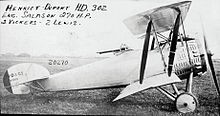
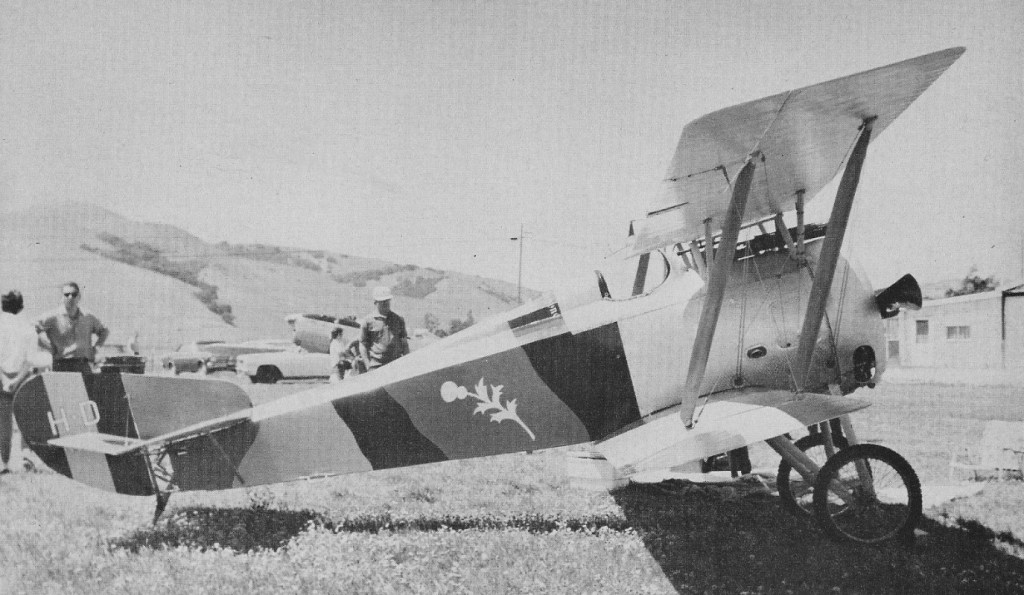
Hanriot HD.12

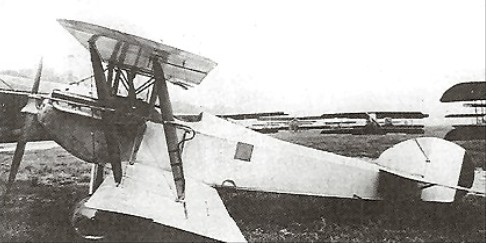
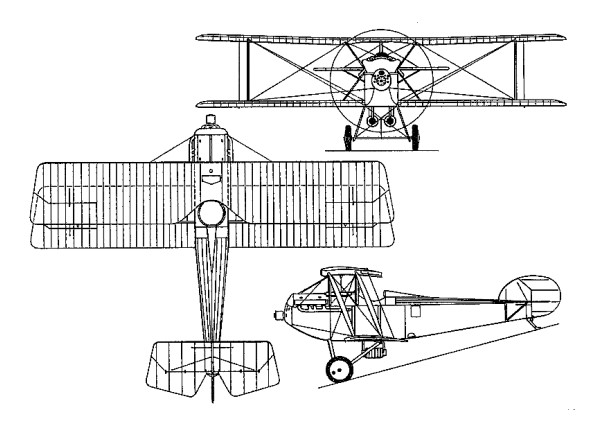
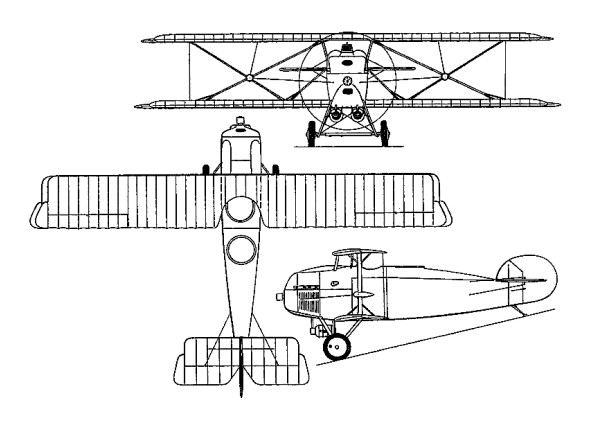
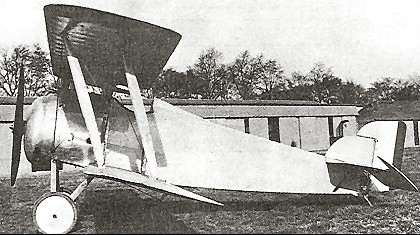
The HD.12 single-seat fighter commenced its flight test programme in 1921. A single-bay staggered biplane, the HD.12 was powered by the 170hp Le Rhone 9R nine-cylinder rotary air-cooled engine, and its intended armament was the standard pair of synchronised 7.7mm Vickers machine guns. The HD.12 was considered to be somewhat passe by the time it commenced flight testing, and, having a comparatively poor performance, it was discontinued.

Wingspan: 8.70 m / 28 ft 7 in
Length: 5.94 m / 19 ft 6 in
Height: 2.50 m / 8 ft 2 in
Wing area: 19.00 sq.m / 204.51 sq ft
Max. speed: 190 km/h / 118 mph

Hanriot HD.9

A single-seat reconnaissance fighter developed from the two-seat HD.3, the HD.9 was placed in the broad category of Avions de Corps d’Armee (as the HD.9 Apl) and it was armament with a single synchronised 7.7mm Vickers machine gun. The airframe was basically that of the HD.3 and the installation of the 260hp (194 kW) Salmson 9Za radial engine was identical, but fuel capacity was considerably increased.

The first example of the HD.9, serial 3001, was completed in November 1918 as the initial aircraft built against an order for 10 machines with serials starting at 3001 and up. However, its career was cut short by the Armistice and there is no evidence that all nine remaining aircraft were completed.

Empty weight: 710 kg / 1565 lb
Wingspan: 9.00 m / 29 ft 6 in
Length: 6.95 m / 22 ft 10 in
Wing area: 25.50 sq.m / 274.48 sq ft
Max. speed: 220 km/h / 137 mph
Range: 800 km / 497 miles
Hanriot HD.7

Designed as a potential successor for the SPAD S.XIII, the HD.7 single-seat fighter employed wings and tail surfaces essentially similar to those of the two-seat HD.3. Flown for the first time in the summer of 1918, the HD.7 was powered by a water-cooled Hispano-Suiza 8Fb eight-cylinder engine of 300hp and mounted an armament of two 7.7mm synchronised Vickers machine guns. The performance of the HD.7 proved good, but marginally inferior to that of its principal competitor for production orders, the Nieuport 29. With selection of the Nieuport for series manufacture, further development of the HD.7 was discontinued.

Max take-off weight: 1900 kg / 4189 lb
Empty weight: 1230 kg / 2712 lb
Wingspan: 9.80 m / 32 ft 2 in
Length: 7.20 m / 23 ft 7 in
Height: 3.00 m / 9 ft 10 in
Wing area: 28.00 sq.m / 301.39 sq ft
Max. speed: 218 km/h / 135 mph
Range: 900 km / 559 miles

Hanriot HD.6

Evolved in parallel with the HD.5 and of generally similar configuration, but larger and more powerful, the HD.6 two-seat fighter was powered by a 530hp Salmson 18Z two-row radial water-cooled engine. This was essentially two Salmson 9Z engines on a common crankcase and flight testing was delayed by difficulties with this experimental power plant, eventually commencing in the spring of 1919. Armament consisted of two synchronised 7.7mm Vickers guns for the pilot and three 7.7mm Lewis guns for the gunner, two on a rotating mount and one firing through a trap in the fuselage floor. The pilot, seated beneath a cut-out in the upper wing, was offered a singularly poor field of vision. Performance did not show a significant improvement over that of the more compact and simpler HD.3, and development was discontinued by the late summer of 1919.

Max take-off weight: 1250 kg / 2756 lb
Empty weight: 810 kg / 1786 lb
Wingspan: 13.60 m / 44 ft 7 in
Length: 8.85 m / 29 ft 0 in
Height: 2.90 m / 9 ft 6 in
Wing area: 47.50 sq.m / 511.29 sq ft
Max. speed: 225 km/h / 140 mph
Range: 600 km / 373 miles

Hanriot HD.3 / HD.4

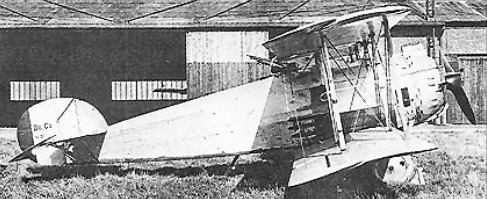
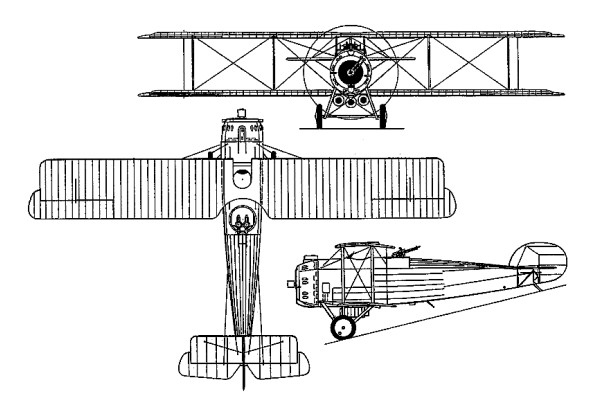
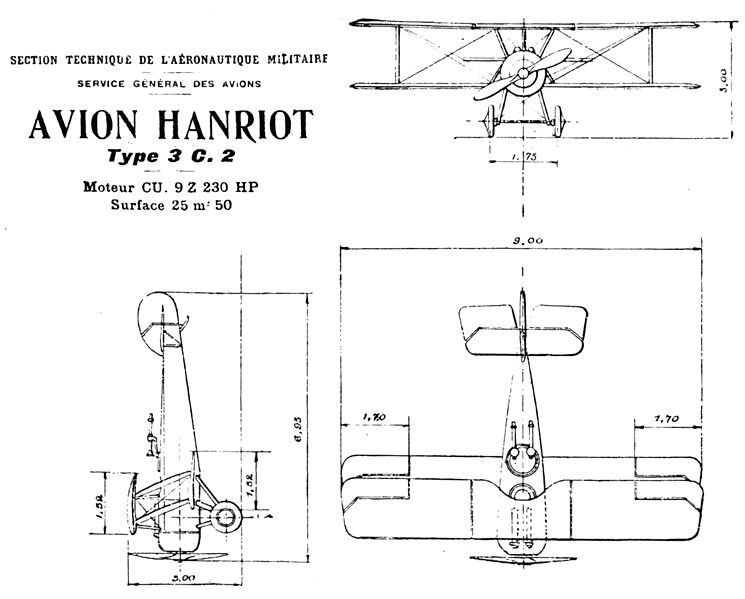
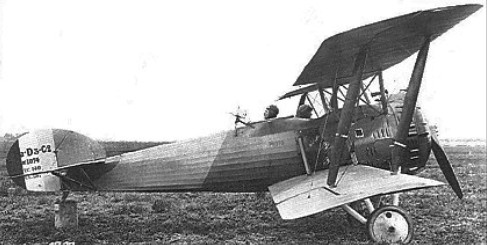
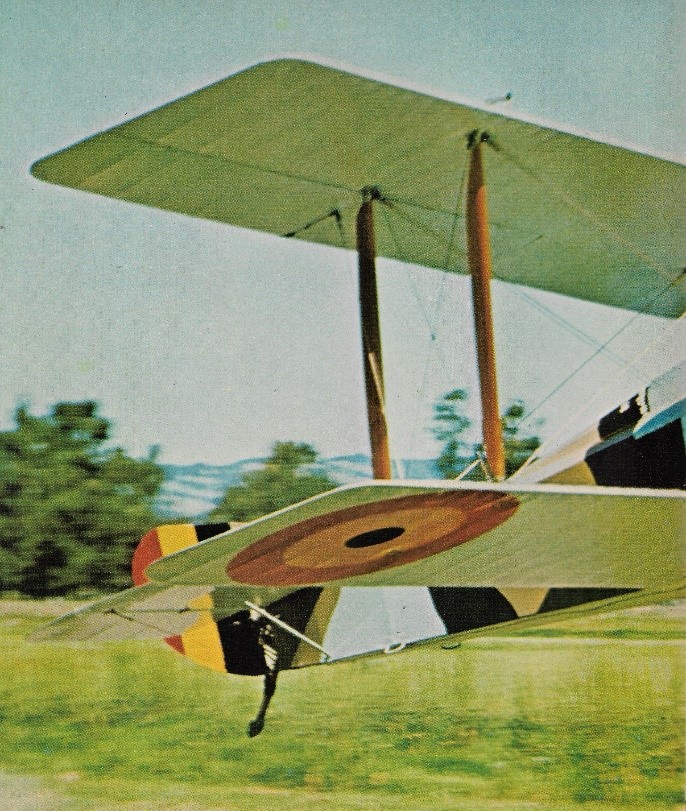
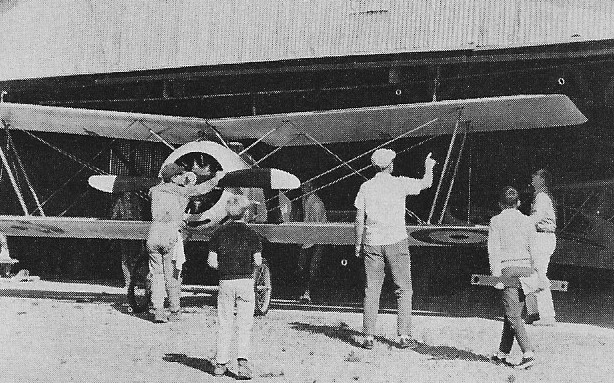
Design work on this two seat biplane was begun by Hanriot and Dupont in the autumn of 1917. The prototype had unequal span wings and was powered by a 260 hp Salmson (Canton Unnne) 9 Za radial engine and flew in June 1017. A double yoked pair of 0.303 in (7.7¬mm) Lewis guns were fitted in a ring mount¬ing in the rear cockpit.

A production order for 120 (later increased to 300 when it was also ordered for the Aviation maritime), to be desig¬nated HD.3 C2, was placed in April 1918. Main modifications included reduction of the upper wing span to that of the lower dimension, adoption of horn balanced ailerons, and improved covering for the forward top decking panels. These were faired over the ammunition feed equipment to twin and fixed and synchronized 0.303 in (7.7 mm) Vickers guns. The pilot and gunner sat in tandem, open cockpits and the main units of the fixed tailskid undercarriage were linked by a cross-axle. Short struts braced the fuselage sides to the lower wing.

First production machines appeared in September 1918, but the Armistice in November prevented comparison with the combat promise shown by the HD.3 C2. However, 75 had been built (s/n 1001 to 1075) for the Esc. HD 174 and other squadrons of the Aviation Militaire (army aviation) and at least 15 for the Aviation Maritime (naval aviation) before the Armistice halted production. HD 174 had been formed but never saw any action before the end.

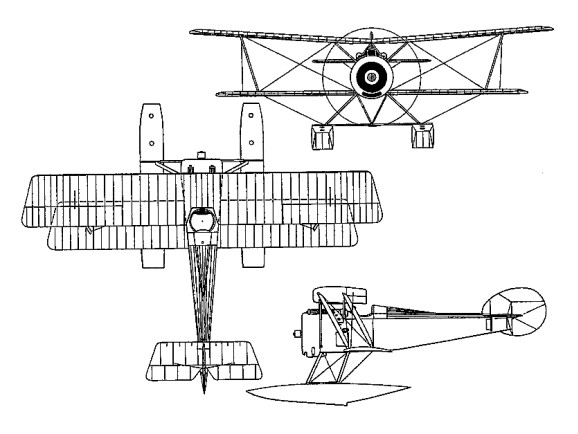
A floatplane, to have been designated HD.4 in production form, was developed with varying types of floats and hydrovanes and a larger tailfin during 1918. The first really successful mode did not appear until December 4, 1918. By this time it was too late for combat service but some were used by the Aviation Maritime for a few years.

Work on a proposed night fighter variant, the HD.3bis CN2, also stop¬ped at the end of the war. This had mainplanes of thicker section, enlarged and balanced ailerons and rudder.

After the war, one of the navy’s machines was used for trials aboard the new aircraft carrier Béarn, while another was used for floatation tests at the Isle of Grain.

The 15 used by l’Aviation Maritime never entered service until 1919. They have variously been quoted as having serials starting from 2000 and up, but according to Lucien Morareau they were from the same series quoted above.
The serial 2000 has also been quoted as the sole HD.4 prototype even though a photo clearly shows HD.3C2 on the tail. Few aircraft were completed in this serial range, highest number known is 2003.

Gallery

HD.3 C2
Engine: 1 × Salmson 9Za, 195 kW (260 hp)
Span: 9.00 m (29 ft 6.25 in)
Length: 6.95 m (22 ft 9.5 in)
Height: 3.00 m / 9 ft 10 in
Wing area: 25.50 sq.m / 274.48 sq ft
Gross weight: 1180 kg (2600 lb)
Empty weight: 760 kg / 1676 lb
Maximum speed: 192 km/h (119 mph)
Service ceiling: 5,700 m (18,700 ft)
Range: 498 km (310 miles)
Endurance: 2 hours
Rate of climb: 4.1 m/s (800 ft/min)
Crew: Two, pilot and gunner
Armament:
2 × fixed, forward-firing .303 Vickers machine guns
2 × trainable, rearward-firing .303 Lewis guns

Hanriot HD.2

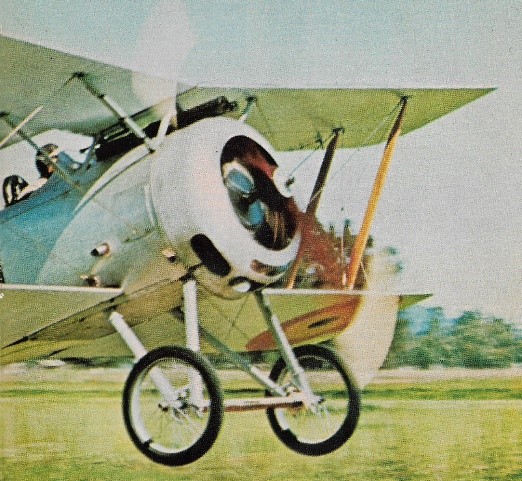
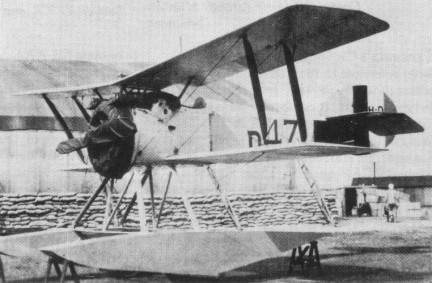
At the end of 1917, a derivative of the HD.1 intended for use by France’s Aviation maritime as a single seat fighter float plane was tested as the HD.2. Possessing an essentially similar airframe to that of the HD.1, the HD.2 was powered by a 130 hp Clerget 9B rotary engine and carried an armament of twin synchronised Vickers machine guns. Two prototypes were tested with float undercarriages of differing lengths, and several HD.2s with wheel undercarriages were delivered to the Aviation maritime at Dunkirk for trials purposes, including trial operations from a 40 ft (12 m) platform mounted above a turret of the battleship Paris in the harbour at Toulon flown by Lieutenant Georges Guierre in October 1918. Later, in August and September 1918, similar trials were conducted at Saint Raphael with one of the HD.2 prototypes converted to landplane form and re engined with a 120 hp Le Rhone. Production exam¬ples, designated HD.2C, were fitted with 130 hp Clerget 9B engines, longer main floats, and a completely revised elliptical fin and rudder assembly. Armament comprised twin 0.303 in (7.7 mm) Vickers guns. Some HD.2Cs were in service with the French navy’s Centre Maritime at Dunkerque before the end of the First World War.
The US purchased 26 HD.2s and Japan also bought a number.
After the war, ten of the US batch were converted back to HD.1 landplanes by the naval aircraft factory, but continued to be used as trainers aboard at Langley Field, with flotation bags and hydrovanes attached in front of the main wheels. One was employed in August 1919 for trials from a platform mounted on the battleship USS Mississippi.

HD.2 – (float equipped)
Max speed, 113 mph (183 km/h).
Service ceiling, 15,750 ft (4800 m).
Range, 186 mls (300 km).
Empty weight, 1,091 lb (495 kg).
Loaded weight, 1,594 lb (723 kg).
Span, 28 ft 6.5 in (8,70 m).
Span upper: 8.7 m (28 ft 6.5 in)
Span lower: 7.4 m (24 ft 3.25 in)
Length, 22 ft 11.5 in (7,00 m).
Height, 10 ft 2 in (3,10 m).
Wing area, 195.9 sq ft (18,20 sq.m).