Hispano designed and built a 755hp piston engined advanced trainer, the HA.100 Triana. The HA-100 EI replaced the HA-43D-1 trainer. A tandem seater, tricycle landing gear, and with a gross weight of 6,460 lbs (2,932kg) was designed by Willy Messerschmitt.
It went into production for the Spanish Air Force in 1953.
Author: Terry
Hispano HA-42 / HA-43 Gallery
Back to Hispano HA-42 / HA-43
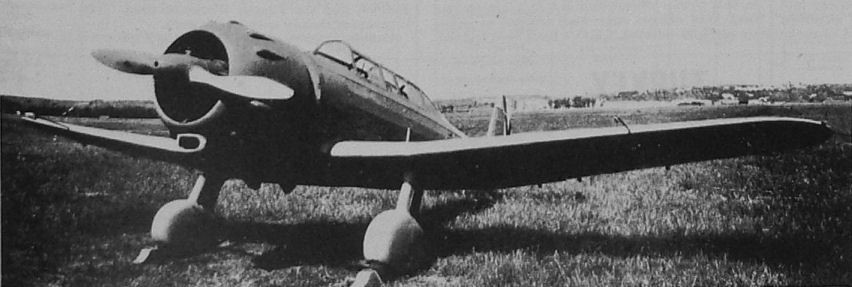
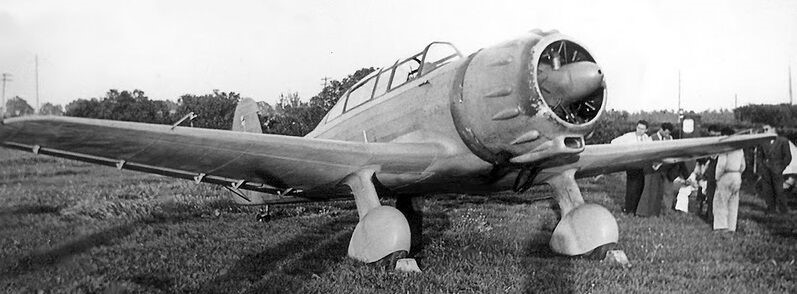
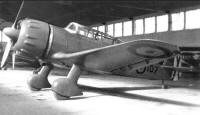
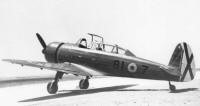

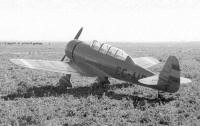
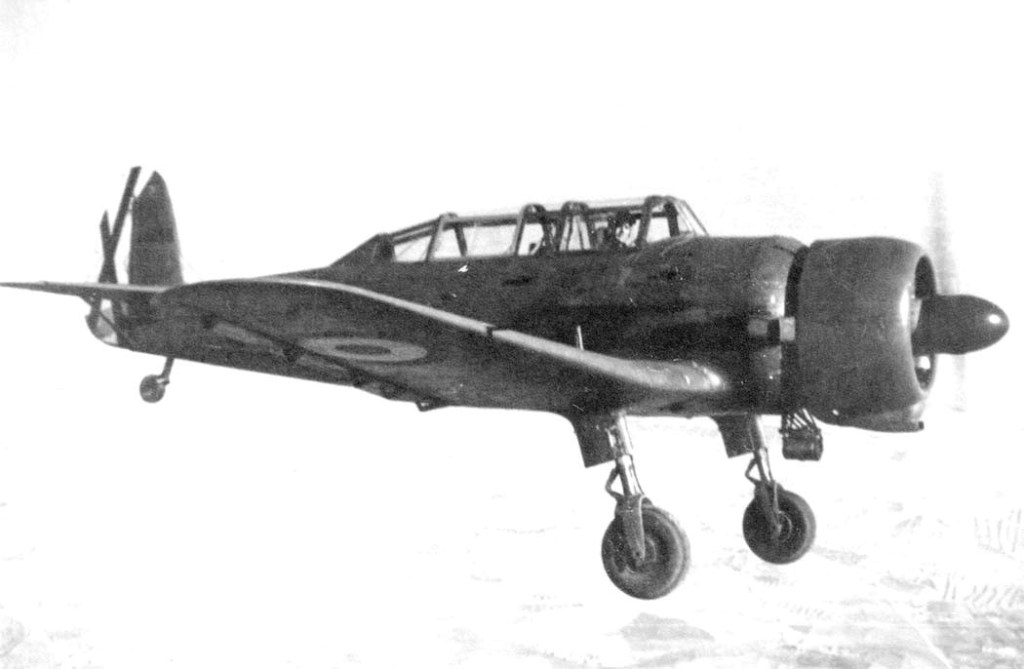

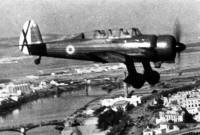

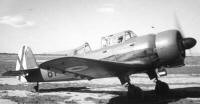

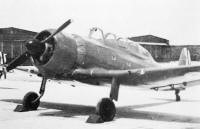
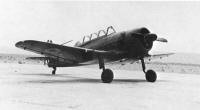
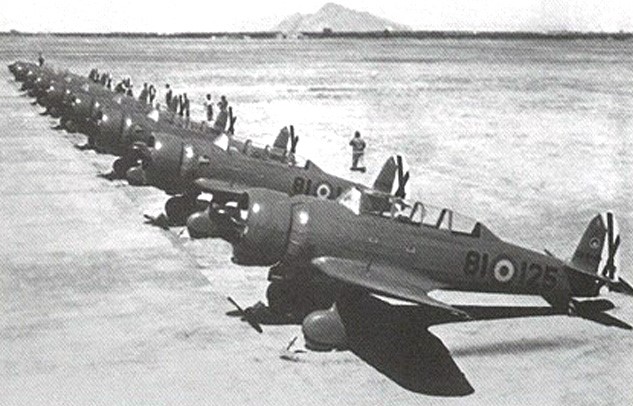
Hispano HS-42 / HA-43
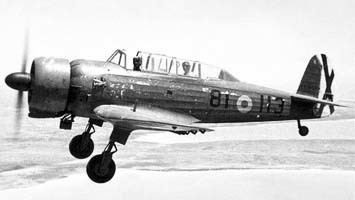
First flying in 1947, the Hispano HS-42 and its derivative, the HA-43, were advanced military trainer aircraft produced in Spain. The basic design was that of a conventional, low-wing, cantilever monoplane with seating for the pilot and instructor in tandem.
The HS-42 had fixed, tailwheel undercarriage with spatted mainwheels, while the HA-43 had retractable main units. Produced on the assembly line that had been used to build Fokker D.XXI fighters, the HS-42 shared some components with this aircraft.
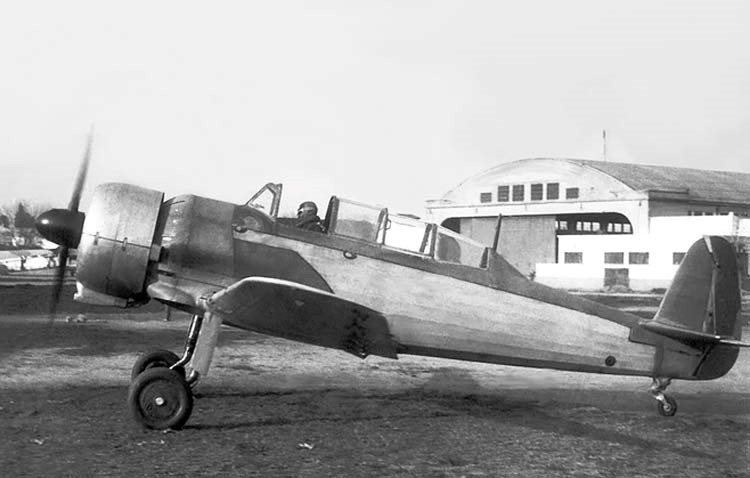
The HA-43D-1 advanced two-seat military trainer went into production for the Spanish Air Force in 1947.
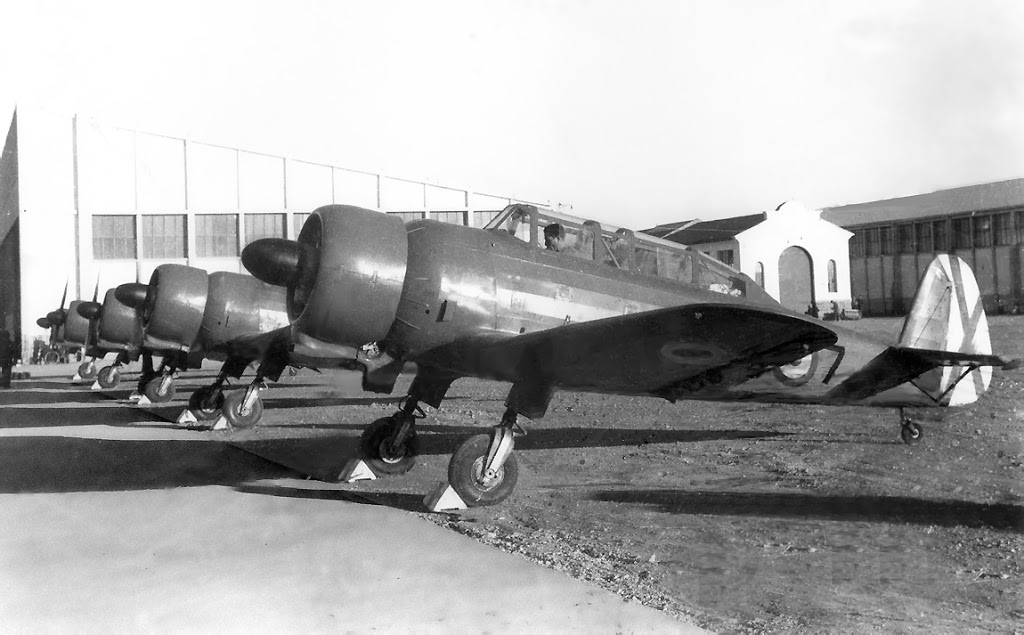
The HA-43D-1 was followed in 1953 by the HA-100 EI replacement
HS-42
Engine: Piaggio Stella P.VII C.16
Fixed undercarriage
HA-43
Engine: Armstrong Siddeley Cheetah 27, 290 kW (390 hp)
Propeller: 2-bladed Rotol wooden variable-pitch
Propeller diameter: 2.84 m (9 ft 4 in)
Wingspan: 10.00 m (32 ft 10 in)
Wing area: 16.3 sq.m (175 sq ft)
Aspect ratio: 6.13:1
Length: 7.95 m (26 ft 1 in)
Height: 2.60 m (8 ft 6 in)
Empty weight: 1,504 kg (3,316 lb)
Gross weight: 2,050 kg (4,519 lb)
Fuel capacity: 400 L (110 US gal; 88 imp gal)
Maximum speed: 335 km/h (208 mph; 181 kn)
Cruise speed: 295 km/h (183 mph; 159 kn)
Stall speed: 118 km/h (73 mph; 64 kn) (flaps down)
Range: 1,200 km (746 mi; 648 nmi)
Endurance: 4 hr 15 min
Service ceiling: 6,000 m (20,000 ft)
Rate of climb: 7.2 m/s (1,410 ft/min)
Crew: 2
Guns: 2 × fixed, forward-firing 7.7 mm Breda-SAFAT machine guns in wings
Retractable undercarriage
Hispano Aviacon
Spain
La Hispano Aviacion SA manufactured the Fiat CR.32 biplane fighter as the HA-132-1 Chirri between 1938- 1942. In 1943 the company received a contract to build the Messerschmitt Bf 109G under license for the Spanish Air Force. Designated Hispano HA-1109, it was powered initially by a Hispano-Suiza HS-12Z engine and later, in HA-1109/1110 Buchon variants, by the Rolls-Royce Merlin. An indigenous HA-43D-1 advanced two-seat military trainer went into production for the Spanish Air Force in 1947, followed in 1953 by the HA-1 OOEI replacement, with tricycle landing gear, designed by Willy Messerschmitt. Messerschmitt also supervised design of the HA-200 Saeta jet trainer, which first flew in 1955 and which was later developed as the HA-220 Super Saeta single-seat light ground-attack aircraft.
Hispano merged with Construcciones Aeronauticas SA in 1972.
H.M. Balloon Factory R101 Gallery
Back to H.M. Balloon Factory R101
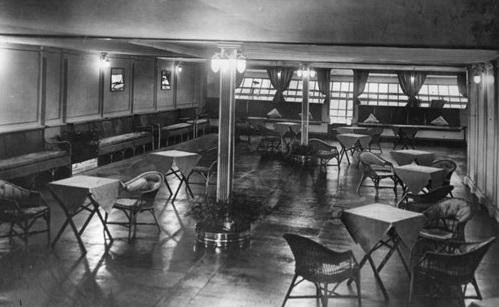
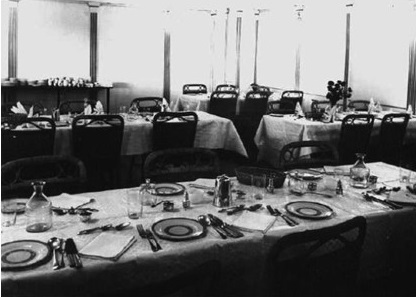
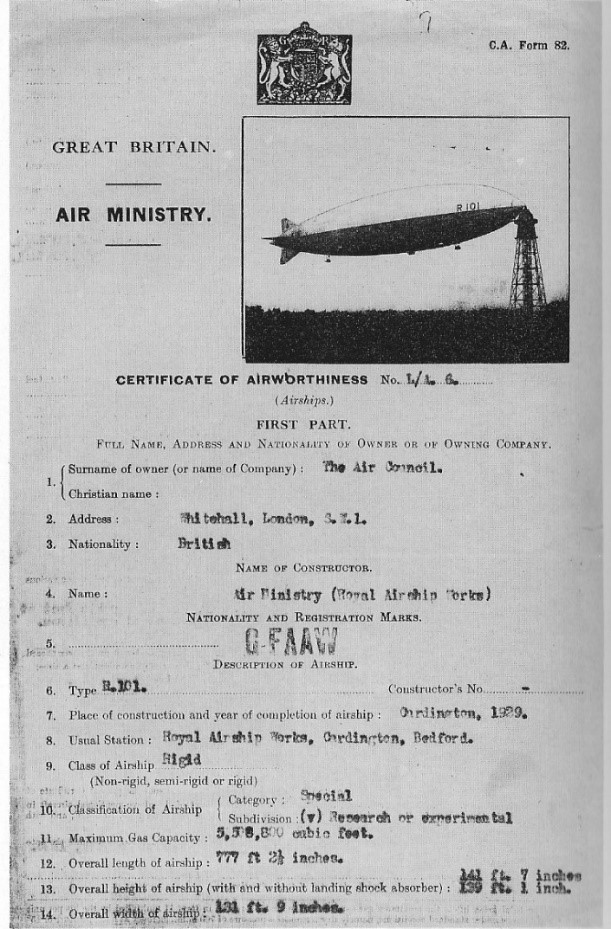
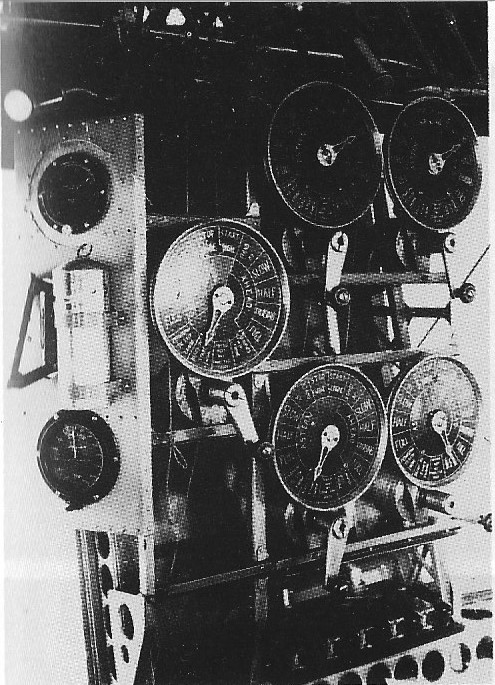
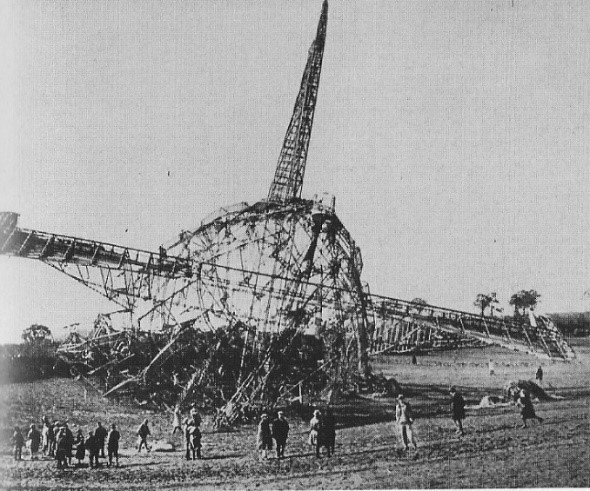
H.M. Balloon Factory R101 Article
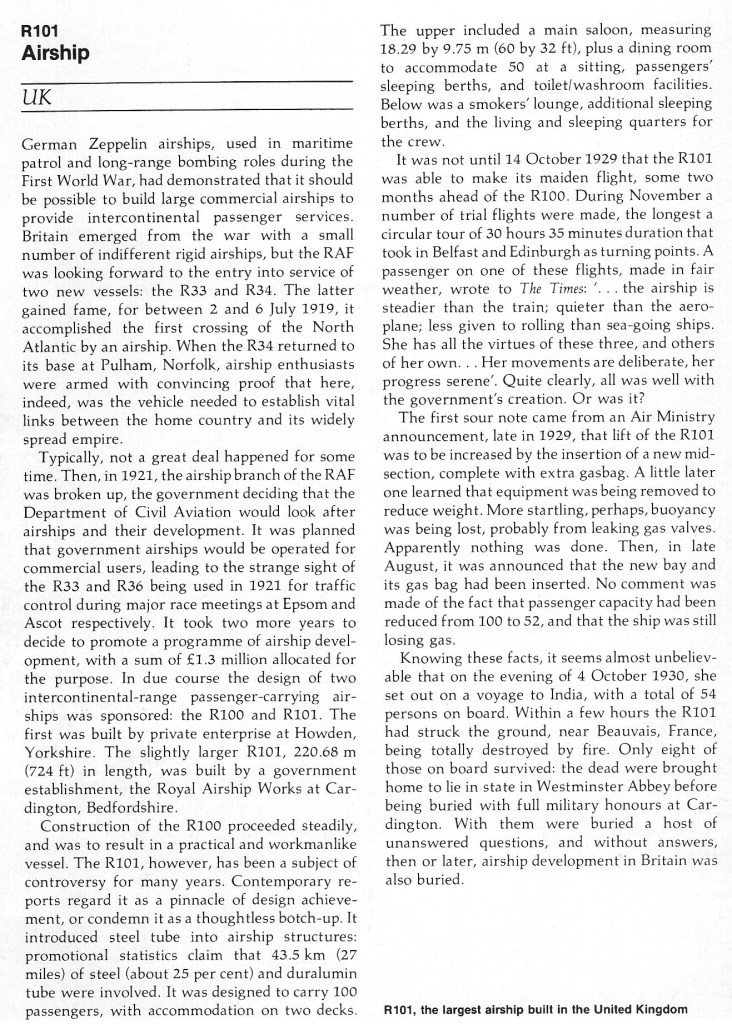
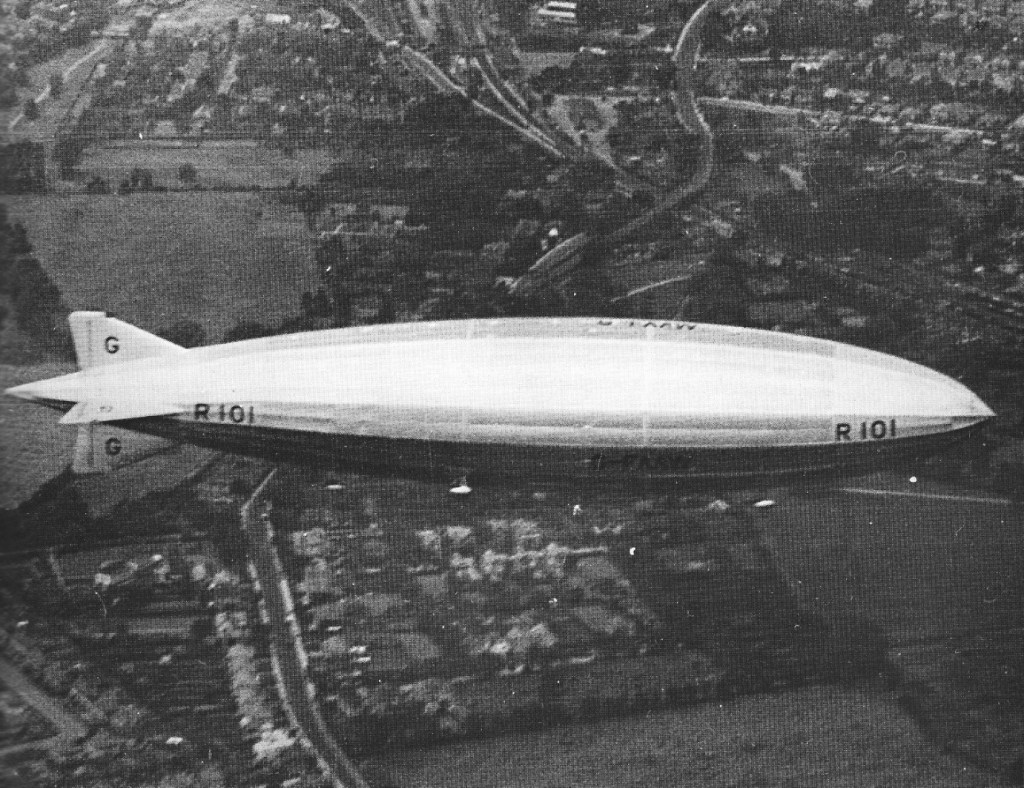
H.M. Balloon Factory R101
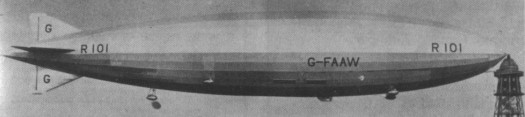
The British Government formulated plans for the construction of two new airships, the R100 to be built by private enterprise and the R101 to be constructed by the Government Airship Works at Cardington.
H.M. Balloon Factory R101 Article
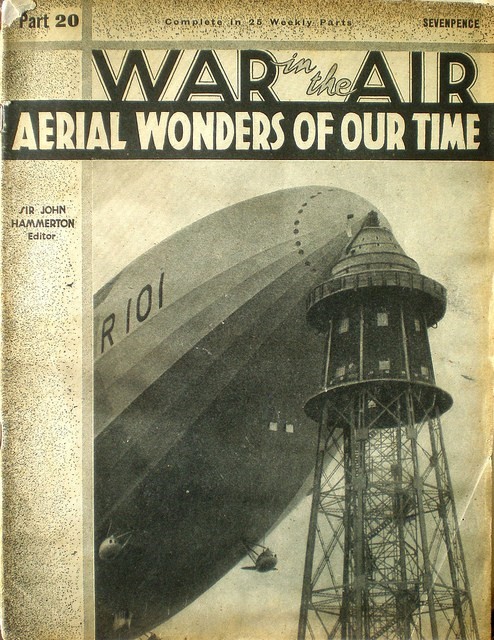
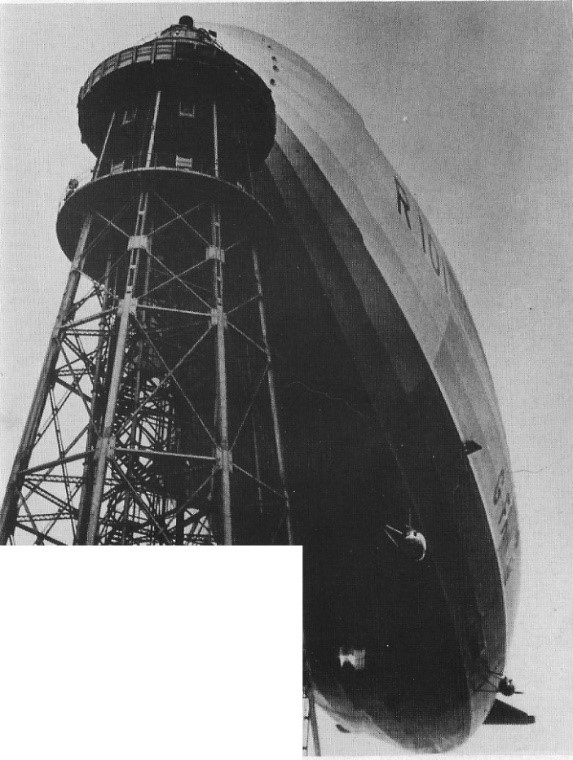
R101 G-FAAW, powered by 650 hp Beardmore Diesel engines, was launched and moored to its mast for the first time on 12 October 1929.
Both airships had their maiden flights in 1929 with R100 being the more successful of the two to the extent that R101 was returned to the Cardington hangar for extensive modification including the insertion of another section into the ship to accommodate an additional gas cell in order to increase her lifting capacity. This added another 55 feet to the length of the ship and further delayed her flight trials.
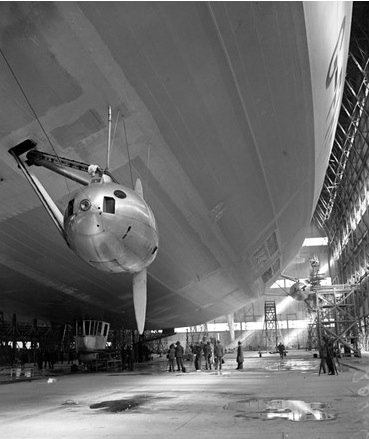
In the meantime R100 completed a successful trial flight to Canada and back before the modified R101 had begun its trials following the modifications.
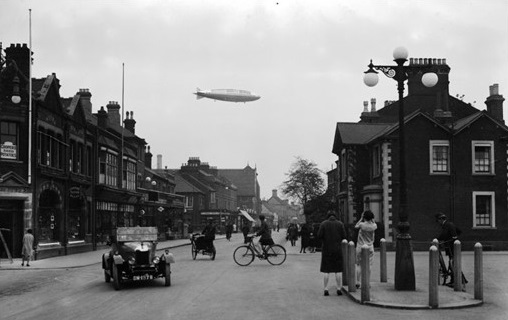
In spite of reservations, held by many technical personnel, as to the airworthiness of the modified ship, pressure brought to bear by Air Ministry Officials and the Secretary of State for Air saw the untried R101 hastily prepared for the inaugural flight to India where a mooring mast and facilities had already been prepared at Karachi.
Upon the successful completion of this flight to India and back hinged the approval of the British Government for an airship service linking the outposts of Empire including a future service to Australia and New Zealand.
Sadly, political jealousies between the Government backed faction supporting the R101 and the private enterprise airship, plus the insistence of Lord Thomson, Secretary of State for Air that the India Flight begin without delay saw the R101 lift off from Cardington on 4 October 1930 without having completed its speed trials and with a Certificate of Airworthiness issued without an inspector’s report.
R101’s departure was into overcast, wet and stormy weather. Over France worsening conditions were encountered which highlighted the airship’s deficiencies in performance and construction to the extent it became almost impossible to control.
Shortly after 2 am on 5 October, almost uncontrollable, the ship made contact with the ground, burst into flames, killing all but six of the 54 persons on board. Among those killed was the Secretary of State for Air on whose insistence the airship began its ill-fated flight long before its airworthiness had been proven.
The loss of the R101 heralded the end of the British dream for an airship service linking the outposts of Empire.
H.M. Balloon Factory R34 / R33 / Beardmore R34 / Armstrong Whitworth R33
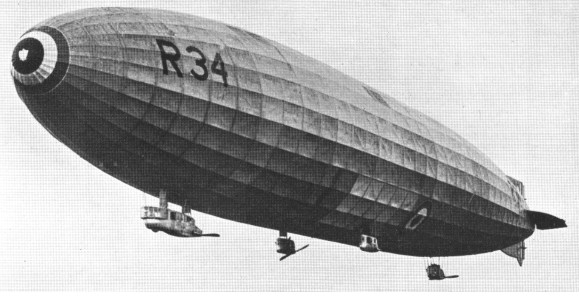
Substantially larger than the preceding R31 class, the R33 class was in the design stage in 1916 when the German Zeppelin L 33 was brought down on English soil. Despite the efforts of the crew to set it on fire, it was captured nearly intact, with engines in working order. For five months, the LZ 76 was carefully examined in order to discover the Germans’ secrets.
The existing design was adapted to produce a new airship based on the German craft and two examples were ordered, one (R33) to be constructed by Armstrong-Whitworth at Barlow, North Yorkshire and the other (R34) by William Beardmore and Company in Inchinnan, Renfrewshire, Scotland.
The manufacture of the components for the R33 and her sister ship R34 had begun in the summer of 1917, but the actual construction of the ship in the shed did not commence until the summer of 1918. The ship design was semi-streamlined fore and aft, with a parallel mid-ships section. The main control car was positioned well forward on the ship, and on closer inspection was separated from the engine in the rear of the car by a small gap. The small gap was faired over, so the gondola seemed to be a single structure. This was designed to stop vibrations from the engine car being transmitted down to the forward control car, with its radio detection finding and wireless instruments. Hence, the forward control car and engine car looks as if it is one combined piece, but serviced by two ladders into the hull above.
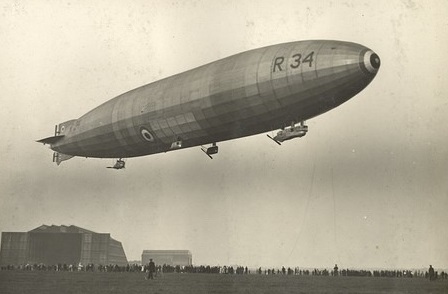
Two more power cars were suspended in the wing positions further aft along the hull and a single engine aft car was positioned amidships at the rear of the craft. All five engines were 275 hp (205 kW), Sunbeam Maori water-cooled petrol units, with one in the aft section of the control car, two more in a pair of power cars amidships each driving a pusher propeller via a reversing gearbox for manoeuvering, and the remaining two in a centrally mounted aft car, geared together to drive a single pusher propeller. The power cars included two gearboxes for each engine, enabling the engines to be started up and running without the propellers rotating. The ship carried enough fuel for 48 hours engine running, but to increase range it was possible to fly the ship on only 3 engines, giving the ship a speed of some 40 knots with petrol consumption of one mile a gallon. The petrol was held inside the hull and fuel flowed from them by gravity to header tanks in the engine gondolas. The reasoning behind this change of arrangement was to feed a smoother and more precise fuel supply than the older arrangements in earlier ships of direct gravity feed.
The radiators in the forward engine gondolas had the flow of air regulated by the use of movable shutters, however the rear gondolas had the old type of traditional “elevated” radiator. Twenty main frames and thirteen longitudinals made the main structure of the ship. There were 19 gasbags within the hull giving a capacity of 1,950,000 cubic feet of hydrogen giving a disposable lift of almost 26 tons. The total construction of the R33 came to £350,000.
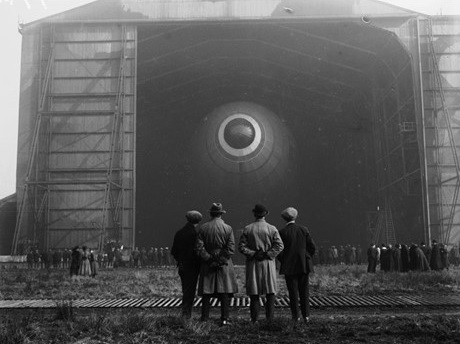
R33 first flew on 6 March 1919, and was sent to RAF Pulham in Norfolk. Between then and October 14, R33 made 23 flights totalling 337 hours flying time. One of these, a flight promoting “Victory Bonds” even included a brass band playing in the top machine gun post.
In 1920 she was “demilitarised” and given over to civilian work with the civil registration G-FAAG. This work consisted of trials of new mast mooring techniques using the mast erected at Pulham. On one occasion winds of 80 mph (130 km/h) were successfully withstood while moored. Another experiment was an ascent carrying a pilotless Sopwith Camel which was successfully launched over the Yorkshire Moors. After an overhaul, R33 was based at Croydon Airport, moored to a portable mast. In June 1921 it was used by the Metropolitan Police to observe traffic at the Epsom Derby, and in July she appeared in the Hendon Air Pageant before flying to Cardington, Bedfordshire, where she was laid up for three years.
On 31 May 1921 the British government cancelled all airship development for financial reasons. Military airships were scrapped, but as a civilian airship R33 was mothballed instead. In 1925, after being inactive for nearly four years, the reconditioned R33 emerged from her shed at Cardington.
At 09:50 on 16 April 1925 the R33 was torn from the mast at Pulham during a gale, and was carried away with only a partial crew of 20 men on board. Her nose partially collapsed and the first gas cell deflated leaving her low in the bow. The crew on board started the engines, gaining some height, and rigged a cover for the bow section, but the R33 was blown out over the North Sea. A Royal Navy vessel was readied and left the nearby port of Lowestoft in case the R33 came down in the sea. The local lifeboat was launched, but was driven back by the weather conditions.
Some five hours after the initial break from the mast, R33 was under control but still being blown towards the Continent. As she approached the Dutch coast R33 was given the option of landing at De Kooy, where a party of 300 men was standing by. Late in the evening R33 was able to hold her position over the Dutch coast, hovering there until 5 o’clock the next morning. She was then able to slowly make her way back home, arriving at the Suffolk coast eight hours later and reaching Pulham at 13:50 hrs, where she was put into the shed alongside the R36.
For their actions the airships first officer, who had been in command, Lieutenant Ralph Booth was awarded the Air Force Cross, the coxswain, Flight-Sergeant “Sky” Hunt, was awarded the Air Force Medal, four other crew members were awarded the Meritorious Service Medal and the other crew members were presented with inscribed watches.
In October 1925, following repairs, she was used for experiments to provide data for the construction of the R101 airship. Once these were finished, in mid-October, she was used for trials launching a parasite fighter, using a DH 53 Hummingbird light aircraft. After some near misses, a successful launch and recapture was achieved in December that year. The following year she launched a pair of Gloster Grebes weighing about a ton apiece, the first of which was flown by Flying Officer Campbell MacKenzie-Richards. She was then sent to the sheds at Pulham where she was finally broken up in 1928, after “severe” metal fatigue was found in her frame. The forward portion of R33’s control car is on display at the RAF Museum at Hendon.
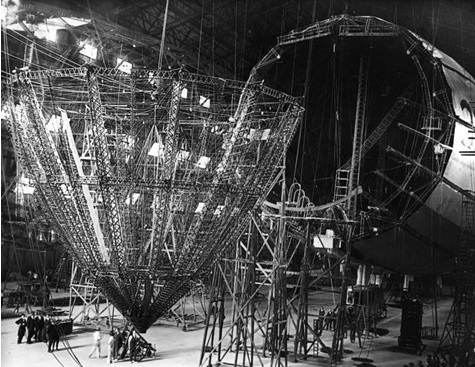
The R33 class of British rigid airships were built for the Royal Naval Air Service during the First World War, but were not completed until after the end of hostilities, by which time the RNAS had become part of the Royal Air Force. The lead ship, R33, went on to serve successfully for ten years and survived one of the most alarming and heroic incidents in airship history when she was torn from her mooring mast in a gale. She was called a “Pulham Pig” by the locals, as the blimps based there had been, and is immortalised in the village sign for Pulham St Mary. The only other airship in the class, R34, became the first aircraft to make an east to west transatlantic flight in July 1919 and by the return flight, completed successfully the first two-way crossing, and was decommissioned two years later after being damaged during a storm. The crew nicknamed her “Tiny”.
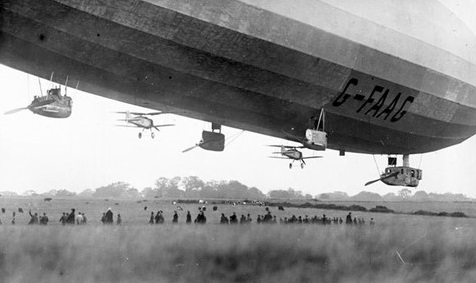
R34 made her first flight on 14 March 1919 and was delivered to her service base at East Fortune on 29 May after a 21-hour flight from Inchinnan: having set out the previous evening, thick fog made navigation difficult, and after spending the night over the North Sea the fog made mooring impossible in the morning, and after cruising as far south as Yorkshire she returned to East Fortune to dock at about 3 pm R34 made her first endurance trip of 56 hours over the Baltic from 17 to 20 June.
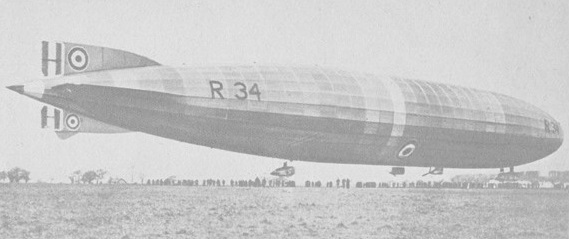
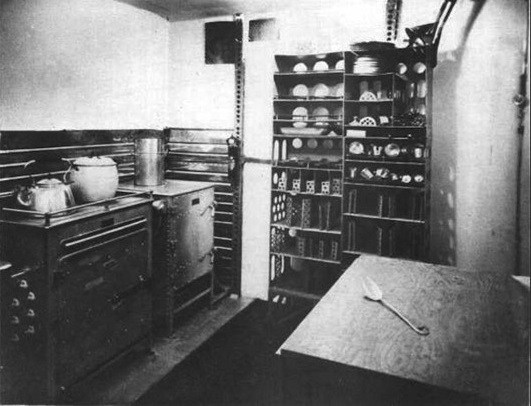
It was then decided to attempt the first return Atlantic crossing, under the command of Major George Scott. R34 had never been intended as a passenger carrier and extra accommodation was arranged by slinging hammocks in the keel walkway. Hot food was prepared using a plate welded to an engine exhaust pipe.
The crew included Brigadier-General Edward Maitland and Zachary Lansdowne as the representative of the US Navy. William Ballantyne, one of the crew members scheduled to stay behind to save weight, stowed away with the crew’s mascot, a small tabby kitten called “Whoopsie”; they emerged at 2.00 p.m. on the first day, too late to be dropped off.
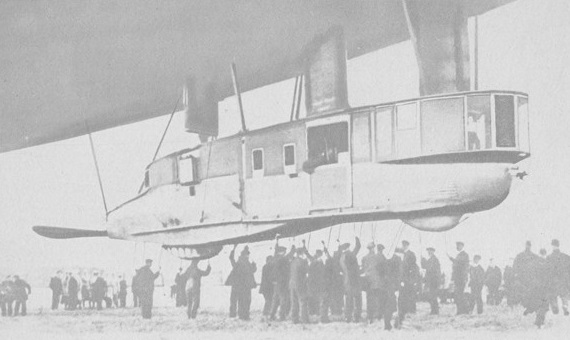
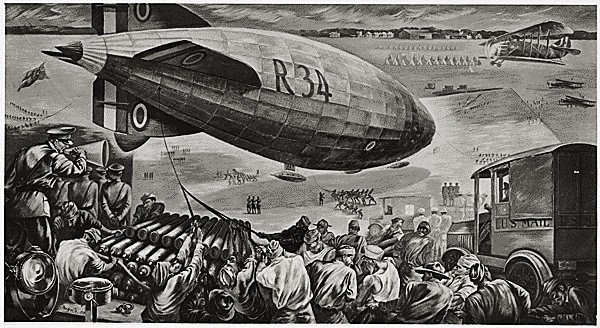
R34 left Britain on 2 July 1919 and arrived at Mineola, Long Island, United States on 6 July after a flight of 108 hours with virtually no fuel left. As the landing party had no experience of handling large rigid airships, Major E. M. Pritchard jumped by parachute and so became the first person to reach American soil by air from Europe. This was the first East-West crossing of the Atlantic and was achieved weeks after the first transatlantic aeroplane flight. The return journey to RNAS Pulham took place from 10 to 13 July and took 75 hours. Returned to East Fortune for a refit, R34 then flew to Howden, East Yorkshire, for crew training.
On 27 January 1921 R34 set off on what should have been a routine exercise. Over the North Sea the weather worsened and a recall signal sent by radio was not received. Following a navigational error the craft flew into a hillside on the North Yorkshire Moors during the night, and lost two propellers. She went back out to sea using the two remaining engines and in daylight followed the Humber estuary back to Howden. Strong winds made it impossible to get her back into the shed and she was tied down outside for the night. By the morning further damage had occurred and R34 was written off and scrapped.
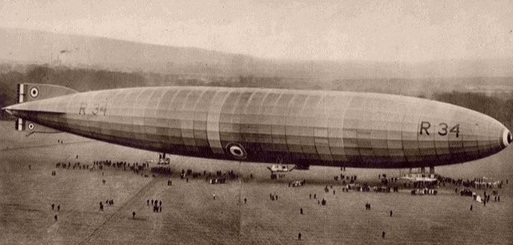
R34, the first airship to make a round-trip flight across the Atlantic.
R34
Engines: 5 × Sunbeam Maori, 275 hp (205 kW)
Length: 643 ft 0 in (196 m)
Diameter: 79 ft 0 in (24 m)
Volume: 1,950,000 cu.ft (55,000 cu.m)
Useful lift: 58,240 lb (26,470 kg)
Maximum speed: 62 mph (99 km/h)
Crew: 26
H.M. Balloon Factory SS (Sea-Scout)
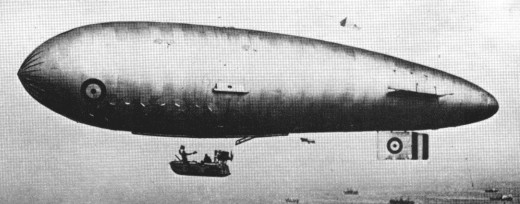
Utilised by the RNAS during WW 1 for anti-submarine patrol and convoy escort duties. Hurriedly conceived as a composite of the Willows JV (HMA No. 4) airship and a car formed from the fuselage of an RAF B. E. 2c aircraft, the resultant combination was a simple non-rigid that could be used for submarine hunting and convoy protection. It was first tested in March 1915 and given the designation ‘SS’ class, indicating ‘Sea Scout’ or ‘Submarine Scout’. Alternative cars could be fitted, and although the greater number used the B.E.2c fuselage (these being SS1 to SS3, SS8 to SS10A, SS12 to SS20, and SS23 to SS25), 11 were fitted with Armstrong Whitworth cars and 12 with Maurice Farman cars. Some are on record as going to France and Italy, while they also inspired certain US vessels of similar construction.
The original ‘SS’class airships flew with a dorsal fin, while the ventral one of SS40 was extended in area. Anticipated work was agent-dropping, but it was actually used for night reconnaissance.
The ‘SS’ class was used for patrols over the Dover Straits and Irish Narrows, the first base to have the type being that established at Capel near Folkestone on 8 May 1915; a second base began operations with the ‘SS’ on 6 July of the same year, this being at Polegate (Eastbourne) where there were three, compared with five at Capel.
In later models the gas capacity was increased first to 1699 cu.m (60,000 cu ft) and later to 1982 cu.m (70,000 cu ft) from the original 580.5 cu.m (20,500 cu ft).
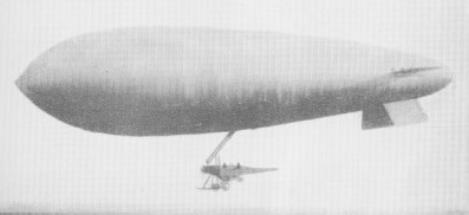
The SSO had a capacity of 70,500 cu ft., were 43.58m long and 9.14m in diameter. Useful lift was calculated to be 609.62kg. The class was powered by the 75hp Rolls Royce Hawk six cylinder engine with a maximum forward speed of 42 kts. On patrol speed was 30 kts.
Other more radical variations were introduced to produce the ‘SST’ class, which had twin engines but of which only six were constructed, and the ‘SSP’ class (the last letter indicating pusher propulsion) that was even less successful, only two being built.
As might be expected these airships, which gave to the English language the word ‘Blimp, had the capability to stay aloft for many hours, the normal flight duration being seven hours although records exist claiming up to twice this figure. The type served throughout the war on the same duties and certainly had a deterrent effect on submarine commanders, whose vessels it was possible to see below the surface of the water. Some, with Armstrong Whitworth F. K. 3 fuselages doing duty as their cars, were powered with 74.6-kW (100-hp) Green water-cooled motors as an alternative to the standard powerplant, the Hawk engine being particularly associated with the Maurice Farman nacelles. Production was about 150 ‘SS’ class airships.
The final variant of the ‘32’ class airship was the ‘SSZ’ class (Z indicating the ultimate or zero form), of which no less than 93 were ordered although only 63 of these went to the Royal Navy: SSZ23 and SSZ24 were sent to the United States where the latter became A5472, while SSZ21 and SSZ22 went to France.
The type was introduced late in 1916 and although the engine was usually the Rolls-Royce Hawk, two were fitted with the Renault V-S of similar rating, and all were used for similar work to that performed by the earlier ‘55’ type. The main visual difference between the two classes was the specially designed car that took the place of the aeroplane fuselages used formerly. In fact the SSZ was not originally intended for sea patrol, being designed to be towed by surface vessels of the Belgian coast patrol and by monitors, when their role would have been no more than aerial platforms for gunnery spotting after release and under their own power. The very first airship of this type was in fact built at Capel (Folkestone) and later flown to the Dunkirk area, where it was based at St Pol on 21 September 1916, three months after it had been constructed.
Perhaps the chief claim to history enjoyed by the SSZ is the fact that, despite being of non-rigid construction and therefore capable of being flown only if the weather was suitable, they were responsible for spotting 49 submarines, of which 27 were claimed as sunk. To do this it was necessary for the airships to remain aloft for lengthy periods and the record for this goes to the crew of SSZ39, who remained in the air during the summer of 1918 for a continuous period of 50 hours. This was more than double that of the accepted ‘long patrol’, which was in the region of 24 hours, although the average was 12.
A crew of three manned the airships. The crew car was designed to float like a boat and water landings were made on numerous occasions. In the front sat the wireless/telegraphist, the pilot in the centre and the engineer in the rearward position. Directional control was by rudder behind the vertical fin on the underside of the ship and elevators on the horizontal fins. To maintain envelope pressure and compensate for gas loss two ballonets were filled with air from a scoop immediately aft of the pusher propeller. The two ballonets were equivalent to about one third of the envelope volume which was a two ply rubberised fabric.
Patrol duration was listed at 12 hours at full speed although at half speed patrols of 23 to 30 hours were quite common. In 1918 a flight of 50 hours 55 minutes was logged. It must be also remembered that the overhaul life of an aero engine at this time seldom exceeded 20 hours and was quite often as little as five hours.
A total of seventy-one of the Submarine Scout class were built between 1916 and 1918.
‘SS’ class
Powerplant: one 55.9-kW (75-hp) Renault V-S or Rolls-Royce Hawk six cylinder water-cooled piston engine, or one 74.6-kW (100-hp) Green water-cooled piston engine
Maximum speed 48 kph (30 mph) with Renault or Rolls-Royce engine, or 80 km/h (50 mph) with Green engine.
Useful lift 3001 kg (6,615 lb)
Diameter 9.75 m (32 ft 0 in)
Length 43.59 m (143 ft 0 in)
Volume 1982.2 cu.m (70,000 cu ft)
Armament: one 7.7-mm (0.303-in) Lewis machine-gun, plus bombs.
‘SSO’ class
Engine: 1 x Rolls-Royce Hawk 6 cyl, 75 hp.
‘SSZ’ class
Type: sea patrol airship.
Powerplant: one 55.9-kW (75-hp) Rolls-Royce Hawk six-cylinder or Renault V-8 water-cooled piston engine.
Maximum speed 77 kph (48 mph)
Service ceiling 2400 m (7,875 ft)
Normal endurance 12 hours
Useful lift 3300 kg (7,275 lb
Diameter 9.75 m (32 ft 0 in)
Length 43.59 m(143 ft 0 in)
Volume 1982.2 cu.m (70,000 cu ft)
Armament: one 7.7-mm (0.303-in) Lewis gun for the observer, plus bombs
H.M. Balloon Factory NS (North Sea)
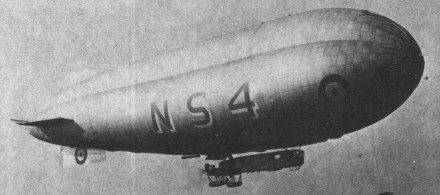
Another trefoil-section vessel, the ‘North Sea or ‘NS’ class was the last non-rigid airship type to be built for the Royal Navy, the first being ordered in January 1916 and delivered to the naval air station at Pulham in February 1917. The original idea had been for an airship which could carry out convoy duties and also co-operate with naval surface vessels, a concept that was never put into practice, the whole ‘NS’ fleet being used for patrol duties. One reason for this decision was the trouble that was experienced with the Rolls-Royce engines first fitted, the problem lying with the over-long shafting, about 3.05 m (10 ft) in length. It was only when this complicated transmission and the engines had been exchanged for direct-drive Fiats, that the type was able to prove its usefulness; previously only 18 were delivered, a mere 12 being with operational units.
Although a variety of car configurations was encountered, all of them were of similar lines, with the power-plant mounted in a separate nacelle joined to the crew quarters by a wooden catwalk. This forward part of the car had been designed with some consideration to the comfort of its occupants. Such additions as a chart table and bunks were now essential, since the 10 men aboard were expected to operate as two watches, five being on duty while the remainder rested.
From July 1917 the small number of North Sea airships then in use were all based on the Firth of Forth at East For¬tune, but by the end of the war over 100 had seen service. An early example (NS14) had gone to the United States and become A5580, while NS6 became a familiar sight to Londoners as a result of its frequent appearances over the capital; and in 1919 NS11 established an endurance record for a non¬stop cruise of 6437 km (4,000 miles) in 101 hours.
Although its primary duty was to attack U-boats with its cargo of bombs, an historic use for NS7 and NS8 was to make up the aerial force with the British fleet sent to accept the surrender of the German naval forces on 21 November 1918. All convoy protection and coastal patrol airships carried about 181 kg (400 lb) of bombs with which to attack U-boats, but the useful load varied with the water ballast carried. Earlier models of the ‘NS’ class were powered by a pair of 186.4-kW (250-hp) Rolls-Royce engines, while latterly NS12 to NS18 received 223.7-kW (300-hp) Fiats.
Type: convoy escort airship.
Powerplant: two 186.4-kW (250-hp) Rolls-Royce Eagle III V-12 or 193.9-kW (260-hp) Fiat A.12 six-cylinder water-cooled piston engines
Maximum speed 93 kph (55 mph)
Service ceiling about 7010 m (23,000 ft)
Range 4828 km (3,000 miles)
Useful lift 3810 kg (8,400 lb)
Width 17.30 m(56 ft 9 in)
Length 79.86 m (262 ft 0 in)
Volume 10194 cu.m (360,000 cu ft)
Armament: four or five 7.7-mm (0.303-in) Lewis machine-guns on free mountings, plus bombs

