Back to Ikarus AS S-451MM Matica / S-451MM Stršljen
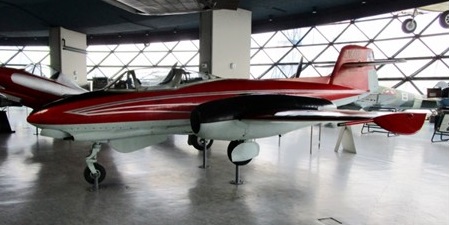
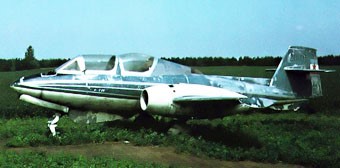
Back to Ikarus AS S-451MM Matica / S-451MM Stršljen
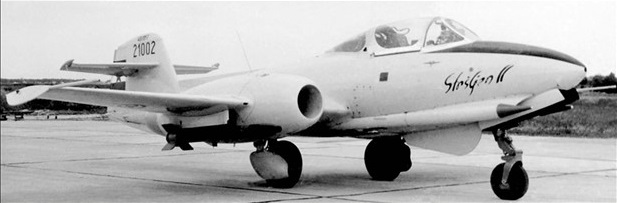
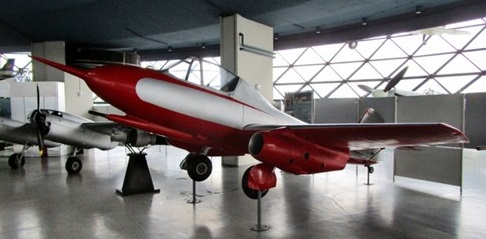
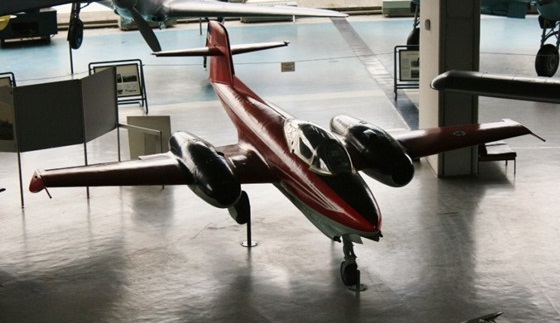
The J-451MM lead to development of the Ikarus T-451MM Stršljen II (“Hornet II”) single seat jet aerobatic training aircraft of which only one prototype (21002) was manufactured and this can now be seen at the Belgrade Aeronautical Museum.
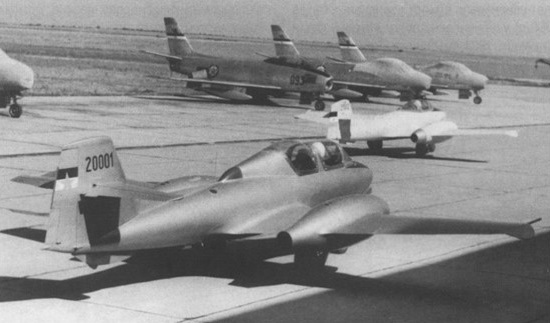
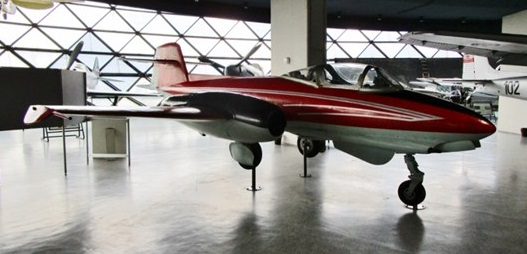
Another variant was the Ikarus S-451MM Matica (“Queen Bee”) two-seat jet training aircraft which set a world air speed record for its class of 750.34 km/h in 1957.
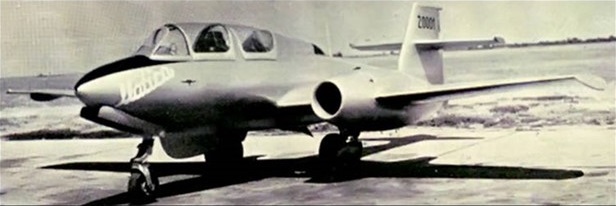
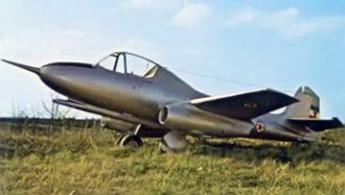
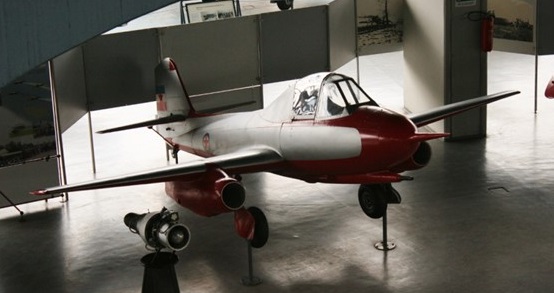
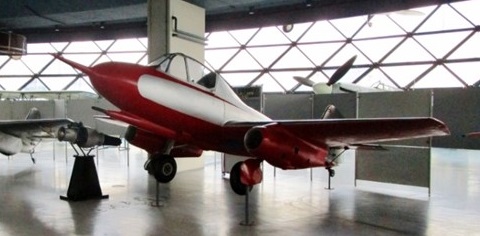
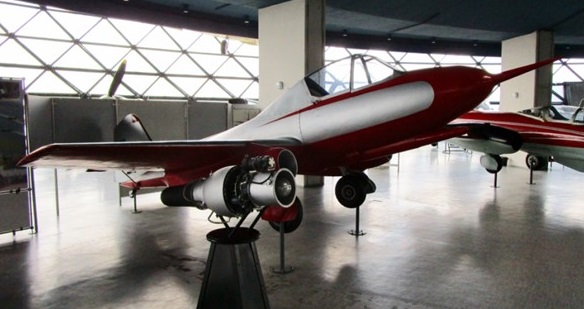
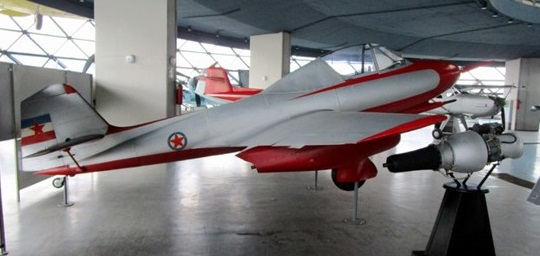
Utilising the basic airframe of the S-451, Ikarus came up with a new design to develop the first jet aircraft designed and built in Yugoslavia, the Ikarus S-451M (Mlazni or “Jet”). The Ikarus 451M was designed by Major Dragoljub Beslin. Basically they installed a conventional cockpit and added two small Turbomeca Palas 056 turbojet engines which produced a maximum speed of 453 km/h.
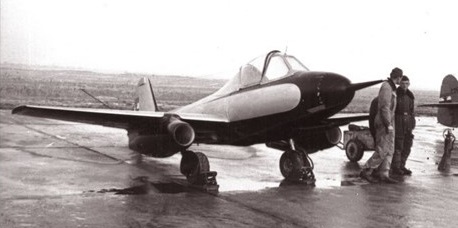
Captain Tugomir Prebeg made the first flight of this aircraft, in the morning of 25 October 1952, powered by two Turbomeca Palas jets. A single copy was built 1959.
With plans to develop a military version, a 20mm Hispano-Suiza 404A cannon and six underwing rockets was fitted to the S-451M for weapons testing.
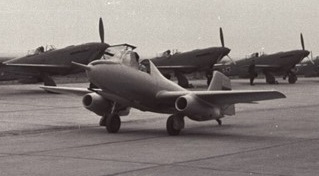
Flight tests of the prototype were conducted at the Yugoslav Aeronautical Testing Centre until 1959 when the aircraft was handed over to the Belgrade Aeronautical Museum for permanent display.
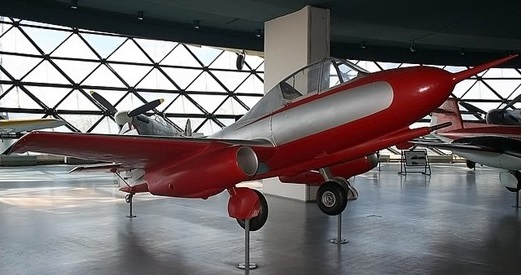
Engines: 2 × Turbomeca Palas 056A
Length: 7.45 m (24 ft 5 in).
Wingspan: 6.78 m (22 ft 3 in).
Height: 2.32 m (7 ft 7 in).
Wing area: 8.00 m² (86 ft ²)
Empty weight: 897 kg (1977 lb)
Gross weight: 1350 kg (2980 lbs)
Range: 300 km (190 miles)
Ceiling: 8500 m (27,900 ft)
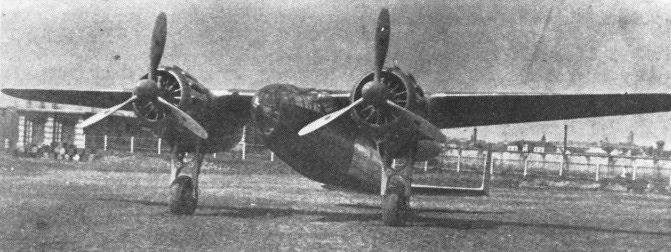
Bomber
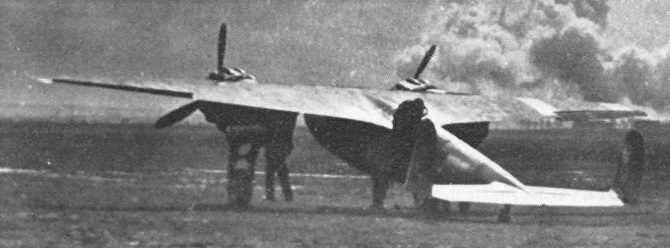
The Ik1 and Ik2 were designed and built by Ikarus.
The Ik1 and Ik2 were designed and built by Ikarus.
Yugoslavia
Formed at Novi Sad in 1923, Ikarus was one of the country’s largest aircraft manufacturers. Initial production centered on a number of S.M. training flying-boats, followed by a military type I.O. In 1926 the company acquired a license to build the Potez 25 biplane, and established a new factory at Zemun for its production.
Four out of five Yugoslav aircraft plants were in close proximity to each other, built in and around Belgrade: Ikarus, Rogožarski, Zmaj and Utva. The fifth one was DFA (Državna Fabrika Aviona – State Aircraft Factory) which was located in Kraljevo.
The production facilities of Ikarus were destroyed in World War Two but rebuilt in 1946 and soon nationalised by the new Tito lead Yugoslav communist government.
In the early 1950’s Ikarus continued to develop a number of experimental research aircraft protoypes. These included a number of early jet aircraft under the Ikarus 451 designation a number which all featured the same basic airframe of the piston engined S-451 but all served different purposes in testing and evaluation. The 451 designated jet aircraft included the first jet designed and built in Yugoslavia (S-451M), a more advanced jet design (S-451M Zolja), a close support military jet development (J-451MM Stršljen) and jet training aircraft (S-451MM / T-451MM).
Ikarus experimented with further jet designs in the early 1950’s. The Ikarus 452M and 453 aircraft were both unconventional designs that were briefly used for flight testing
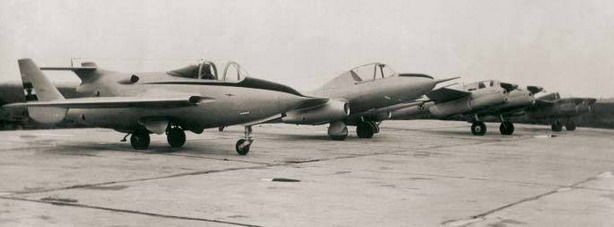
None of the Ikarus experimental aircraft went into wide production but they did provide a stepping stone for future aviation technology development in Yugoslavia. By the early 1960’s aircraft development ceased at Ikarus and had been taken over by Soko based in Mostar, Bosnia-Herzegovina (Ikarus manufacturing buses).
The 2byFour
Cycle: 4 stroke
No cylinders: 2 opposed
Bore: 101 mm
Stroke: 92.7 mm
Compression: 8.5
Displacement: 1507 cc
Cooling: Air
Ignition: Double CDI
Dimension: 609 x 558 x 520 mm
Weight: 54 kg
Max pwr: 48 hp at 3200 rpm
Max torque: 120 @ 3200 rpm
Price 1998: $5250
1998:
4722-B NE 148th
OR 97230 Portland
USA
Engine builder