The Laird Special was built by Laird for John L Patten of Evanston IL in 1930. Registered NR10705 c/n 103.
A two place open cockpit biplane, power was a 325hp Wright J-5, also J-6.
Wing span: 35’0″
Length: 22’4″
The Laird Special was built by Laird for John L Patten of Evanston IL in 1930. Registered NR10705 c/n 103.
A two place open cockpit biplane, power was a 325hp Wright J-5, also J-6.
Wing span: 35’0″
Length: 22’4″
Charles Laird of Wichita, Kansas, built the four place Pierce Arrow cabin biplane in 1926.
Powered by a 90hp Curtiss OX-5, it evolved into Matty Laird’s Whippoorwill NX4102 c/n 10-1.
Charles L Laird, Wichita KS.
Brother of Matty Laird.
Charles Laird of Wichita, Kansas, built the Whippoorwill cabin biplane and changed company name in 1927 to avoid confusion with his brother “Mattie” of E. M. Laird Airplane Company.
1930: Aircraft Engineering, Chicago IL.
Charlie Laird established Aircraft Engineering (unrelated to the parent company for ACE biplane) in Chicago after he left Wichita in 1930, also had a hand in the Greer College Bryan-Laird B-1B N516K.
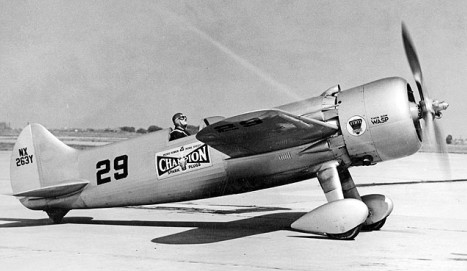
The Laird-Turner LTR 14 Pesco (or (Lawrence) Brown Aircraft Co Special / Pesco Special) was designed by Howard Barlow and Roscoe Turner, and built by the (Lawrence) Brown Aircraft Co of Montebello CA., USA, in 1937. It was sometimes known as the Turner-Laird because of its Laird-built wings, originally 22’0″.
Registered NR263Y Ring-Free Meteor, it was renamed by Turner in 1938 for sponsor Pesco Pump Co, and won the 1938 and 1939 Thompson Trophies.
Engine: P&W Twin Wasp, 1830 hp
Wingspan: 25’0″
Length: 23’0″
Max speed: 330 mph
Stall: 87 mph
Seats: 1
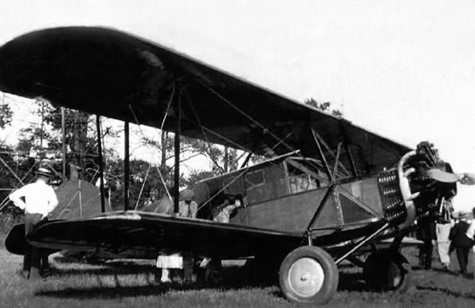

In the Super Solution, Doolittle had won the 1931 Bendix and gone on to set a transcontinental speed record of 2,882 miles in 11 hours, 16 minutes, and 10 seconds, while averaging 217 mph. But in the seventh lap of the Thompson, the plane’s 525-hp Pratt & Whitney Wasp Junior radial engine blew a piston, forcing Doolittle to drop out.
Less than two weeks remained before Labor Day weekend and the 1932 National Air Races at Cleveland, Ohio. The main events—the Burbank-to-Cleveland Bendix Trophy endurance race and the closed-course, 100-mile Thompson Trophy dash—demanded two very different types of aircraft, but Doolittle believed he had a plane capable of winning both.
The pace of innovation meant that not even the Super Solution could age a year without the threat of obsolescence. Figuring the decreased drag would more than offset the increased weight, Doolittle replaced its fixed, spatted wheels with a retractable landing gear. He was about to regret the decision. As he attempted to winch down the hand-cranked gear, which had functioned according to plan in ground tests, the pressure of the slipstream prevented the wheels from deploying.
“I spent two hours trying to jar the gear loose…nothing worked,” recalled Doolittle. Finally he resigned himself to bellying in the LC-DW-500. He emerged unhurt, but with the plane’s prop blades bent and fuselage crumpled, the Super Solution would never make the Nationals.
The Laird LC-DW-300 Solution, had been the only biplane ever to win the Thompson Trophy.
Engine: Wright, 220 hp
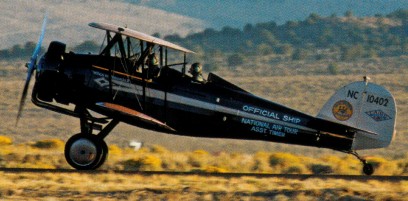
1930
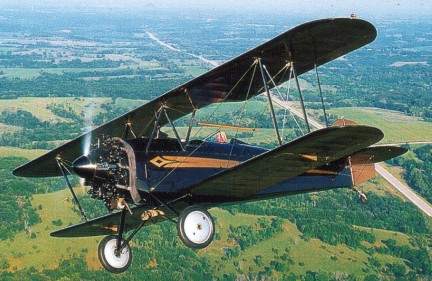
Top speed: 130 mph

