
190 hp Benz 1917-18
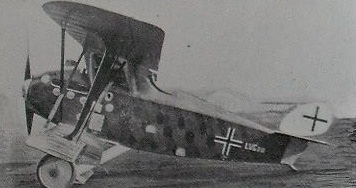
190 hp Benz 1917-18
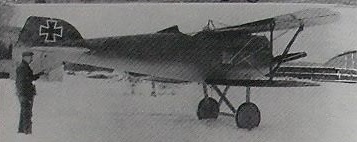
160 hp Mercedes 1916
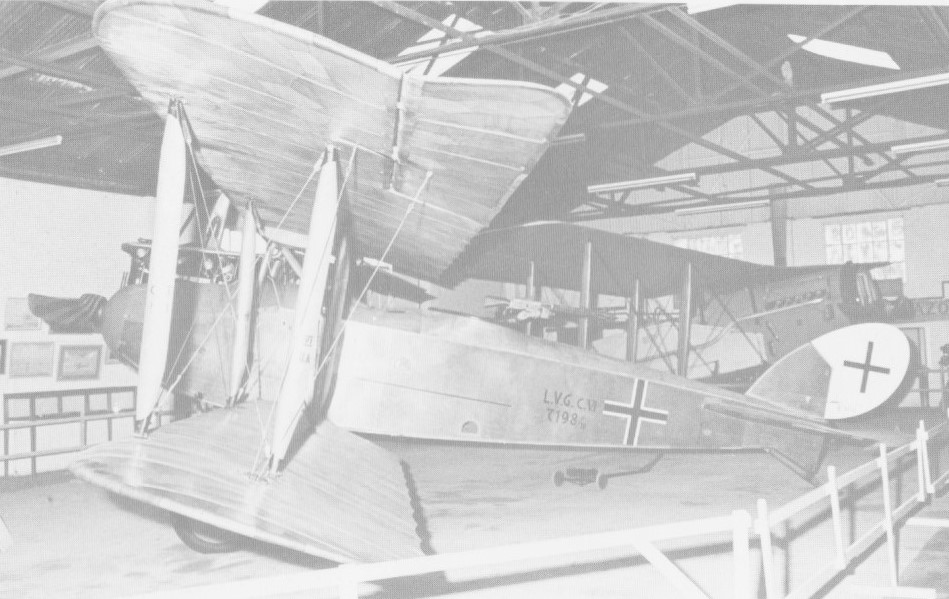
The re-designed C.V and C.VI appeared in 1918. By August 1918 over 500 C.Vs and C.VIs were in use as light bombers, reconnaissance and observation aircraft.
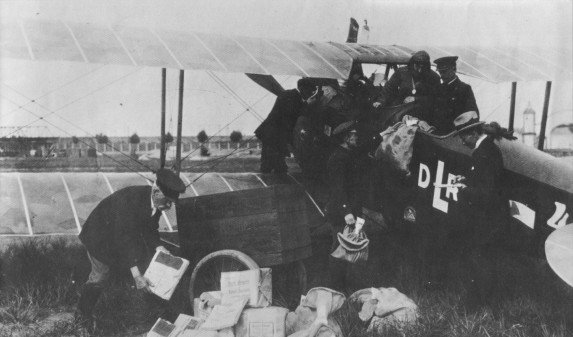
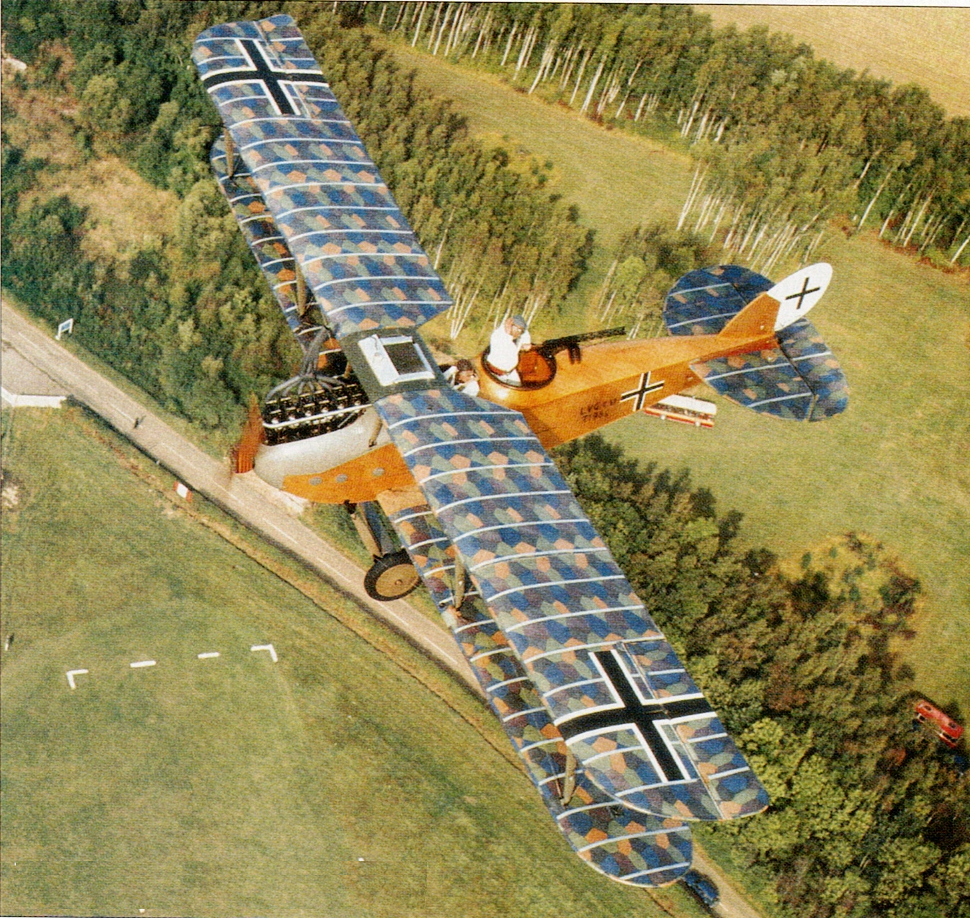
Engine: Benz BzIVa, 200 hp
Wingspan: 42 ft 7.75 in
Length: 24 ft 5.25 in
AUW: 3048 lb
Bombload: 240 lb
Max speed: 106 mph
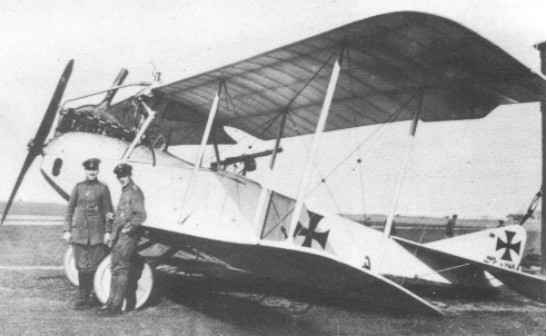
Used for reconnaissance and bombing, a small number of L.V.G.s were in the German air force at the outbreak of war in 1914. Like their British counterparts, they were unarmed and suffered heavy losses. This resulted in the much improved C.V, armed with machine¬guns, which proved a formidable adversary, in spite of the pilot’s exceptionally poor view forward.
A two-bay biplane, the two spar wooden wings were fabric covered. Plywood covered the wooden fuselage, with integral upper and lower tail fins. Fabric covered wooden tailplane. All control surfaces were welded steel-tube construction, with fabric covering. Ailerons were on the top wing only.
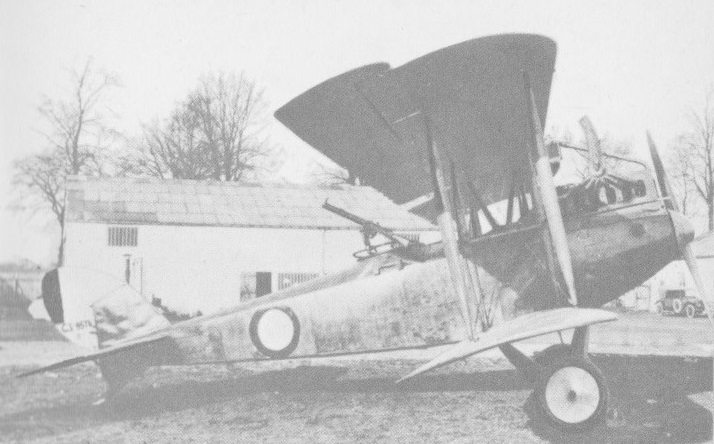
About 500 C.V’s and C.VI’s were in frontline service in the summer of 1918.
Engine: One 200 h.p. Benz Bz.IV
Wing span 42.75 ft (13.02 m.)
Wing area: 459.6 sq.ft
Length 26.5 ft (8.07 m.)
Height: 10 ft 6 in
Weight empty 1,860 lb. (843 kg.)
MTOW: 3141 lb
Fuel capacity: 52.5 Imp.Gal
Max speed: 102 m.p.h. (164 km.p.h.) at 6000 ft
Service ceiling: 16,500 ft. (5,000 m.) fully loaded
Endurance: 3.5 hours
Seats: 1 pilot and 1 observer
Armament One fixed Spandau machine gun firing forward, one Parabellum mg rear cockpit
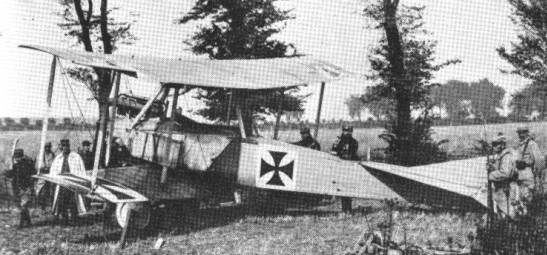
A reconnaissance biplane of WW 1.
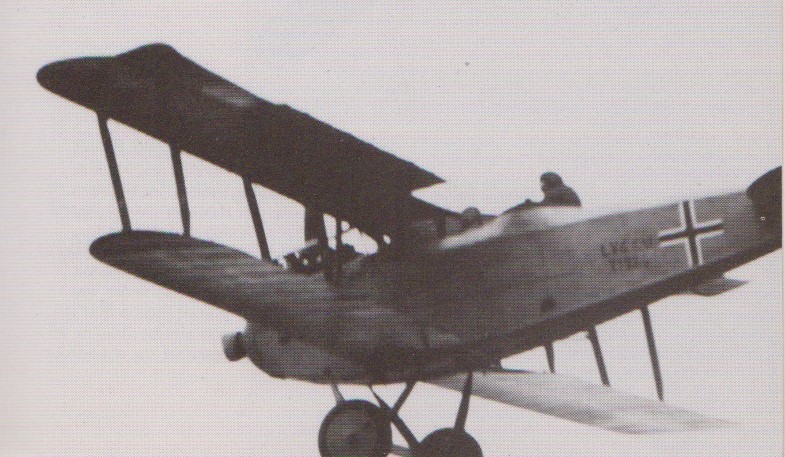
The C.II was developed from the LVG C.I, with the pilot and observer positions reversed, adding a ring-mounted machine gun to the rear. The increase in weight required a larger engine, the Benz Bz.III. Few C.I’s were built before the C.II was introduced. It incorporated structural improvements and a more powerful engine.
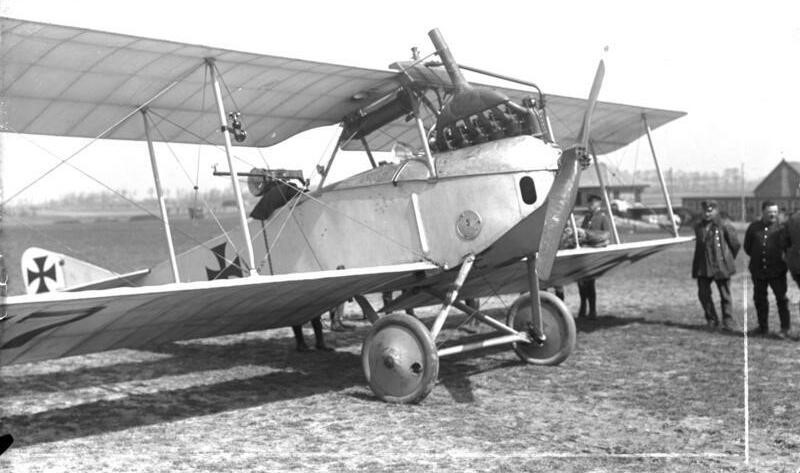
C.I
Engine: Mercedes, 130 hp
Top speed: 97 mph
C.II
Engine: Mercedes D.III, 119 kW (160 hp)
Wingspan: 12.85 m (42 ft 2 in)
Wing area: 37.60 m2 (404.74 sq ft)
Length: 8.10 m (26 ft 7 in)
Height: 2.93 m (9 ft 7.25 in)
Empty weight: 845 kg (1,863 lb)
Gross weight: 1,405 kg (3,097 lb)
Wing loading: 37 kg/m2 (7.6 lb/sq ft)
Maximum speed: 130 km/h (81 mph, 70 kn)
Range: 385 km (240 mi, 210 nmi)
Endurance: 4 hours
Service ceiling: 4,000 m (13,125 ft)
Crew: 2
Armament
1 × flexible 7.92 mm (.312 in) Parabellum MG14 machine gun
1 × fixed, forward-firing 7.92 mm (.312 in) LMG 08/15 machine gun (later production aircraft)
Bomb load: 60 kg (130 lb)
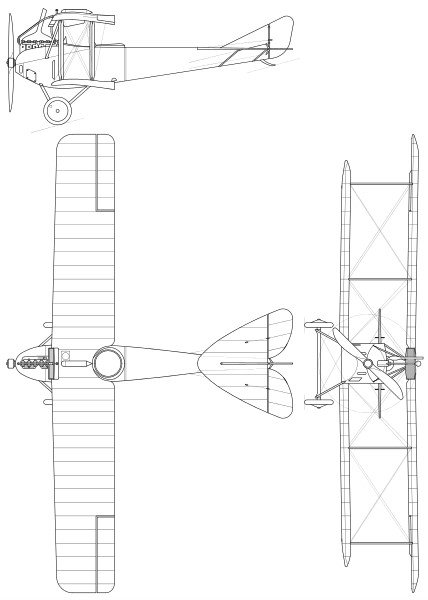
The 1992 Jurgen Lutz Experience hang glider was built for Advanced pilots.

A rigid wing light sailplane from 1995. The Pegasus features jointed battens and airfoils, which remain firmly attached to the sail.

Weight: 40 kg
Wing span: 11 m
Wing area: 15.2 sq.m
Vzmin: 0.75 m/sec
Glide Ratio: 16
Price (1998) 19950 DM
LU4
Wing area: 15.2 m²
Wing span: 11 m
Hang glider weight: 39 kg
Maximum pilot weight: 100 kg
Minimum speed: 35 km/h
Maximum speed: 120 km/h
Max glide ratio (L/H): 16
Minimum sink rate: 0.75 m/s
Packed length: 5.8 m
Number of battens: 10
Nose angle: 127°
1998: Wuhlestrasse 18, D-73235 weilheim/Teck. GERMANY
Hang glider builder
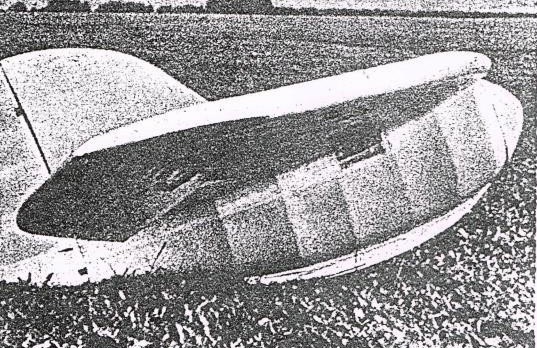
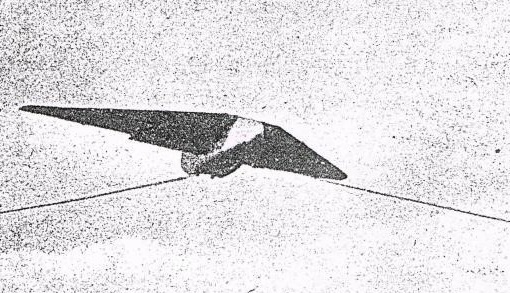
As a result of relaxed laws for glider building in Germany, this $100 midget tailless model was built by Werner Lutz of Giessen, Germany, circa 1951.
It has a 20 ft wingspan and a vertical rudder but no elevators. The pilot looks through windows.
Giessen
Germany
Glider builder circa 1951.

