Back to Aeronautical Syndicate Valkyrie


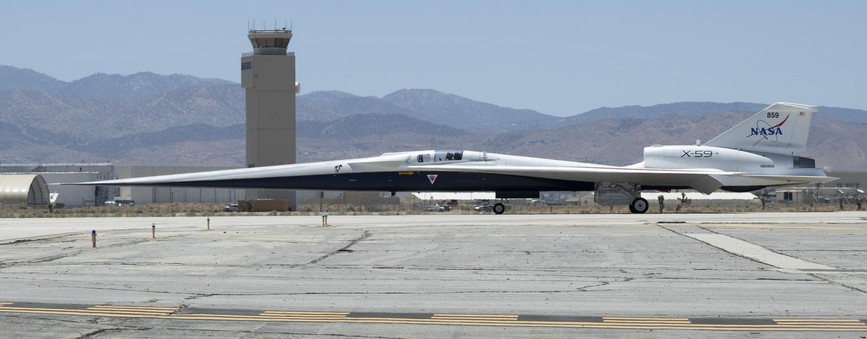
NASA’s X-59 quiet supersonic research aircraft has officially begun taxi tests, marking the first time this one-of-a-kind experimental aircraft has moved under its own power. NASA’s experimental X-59 jet is designed to fly faster than sound but also dampen the sonic “boom.”
Despite schedule delays in the early 2020s, the X-59 was delivered to NASA for flight testing in January 2025. Ground tests, including low-speed taxiing, began in mid-July, with a maiden flight expected later that year.
On July 18, 2025, NASA’s experimental X-59 supersonic research aircraft basked in golden light on the ramp at Lockheed Martin’s Skunk Works facility before being put through a series of ground tests.

The X-59 Quesst (Quiet SuperSonic Technology) is an experimental aircraft developed by Lockheed Martin’s Skunk Works for NASA, designed to achieve supersonic speeds with dramatically reduced noise, transforming the traditional sonic “boom” into a softer “thump.”
NASA test pilot Nils Larson and the X-59 team, made up of NASA and contractor Lockheed Martin personnel, completed the aircraft’s first low-speed taxi test at U.S. Air Force Plant 42 in Palmdale, California, on July 10, 2025.
Nils Larson is set to serve as pilot for first flight, with X-59’s crew chiefs – Matt Arnold from X-59 contractor Lockheed Martin and Juan Salazar from NASA.
The X-59’s life support system is designed to deliver oxygen at the aircraft’s cruising altitude of 55,000 feet. Larson will also wear a g-suit, similar to what fighter pilots wear.
The X-59 features an ejection seat and canopy adapted from a U.S. Air Force T-38 trainer, which comes equipped with essentials like a first aid kit, radio, and water.
The taxiing represents the X-59’s last series of ground tests before first flight. Over the coming weeks, the aircraft will gradually increase its speed, leading up to a high-speed taxi test that will take the aircraft just short of the point where it would take off.
During the low-speed tests, engineers and flight crews monitored how the X-59 handled as it moved across the runway, working to validate critical systems like steering and braking. These checks help ensure the aircraft’s stability and control across a range of conditions, giving pilots and engineers confidence that all systems are functioning as expected.

The X-59 is the centerpiece of NASA’s Quesst mission, which aims to demonstrate quiet supersonic flight by reducing the loud sonic boom to a quieter “thump.” Data gathered from the X-59 will be shared with U.S. and international regulators to inform the establishment of new, data-driven acceptable noise thresholds related to supersonic commercial flight over land.
Lockheed Martin Skunk Works in partnership with NASA, successfully completed the first flight of the X-59. The X-59 took off from Skunk Works’ facility at U.S. Air Force Plant 42 in Palmdale, California, before landing near NASA’s Armstrong Flight Research Center in Edwards, California. The X-59 performed exactly as planned, verifying initial flying qualities and air data performance on the way to a safe landing at its new home.

Skunk Works will continue to lead the aircraft’s initial flight test campaign, working closely with NASA to expand the X-59’s flight envelope over the coming months. Part of this test journey will include the X-59’s first supersonic flights, where the aircraft will achieve the optimal speed and altitude for a quiet boom. This will enable NASA to operate the X-59 to measure its sound signature and conduct community acceptance testing.
For more than a decade, Lockheed Martin Skunk Works and NASA have collaborated. Lockheed Martin Skunk Works is leading the design, build and flight test of the X-59 quiet supersonic technology (QueSST) X-plane. The technology demonstrator will be flown over populated areas to provide U.S. and international regulators with statistically valid data required to help approve new rules that could allow quiet commercial supersonic flight over land.
Back to Morane-Saulnier MS.224 / MS.225
Back to Junkers F 13
Junkers F 13 Returns to the Royal Aviation Museum of Western Canada
After a 94-year history spanning both sides of the Atlantic, this one of five surviving F 13s has been restored from its crash in 1933 and returned to display.
February 17, 2025
September 2024, the Royal Aircraft Museum of Western Canada in Winnipeg welcomed the return of an aircraft that has returned from an extended stay in Europe. This aircraft, a Junkers F 13, is a very rare example of the first all metal transport airplane, which has had quite the journey that spans nearly a century and two continents before it’s return back to Winnipeg.

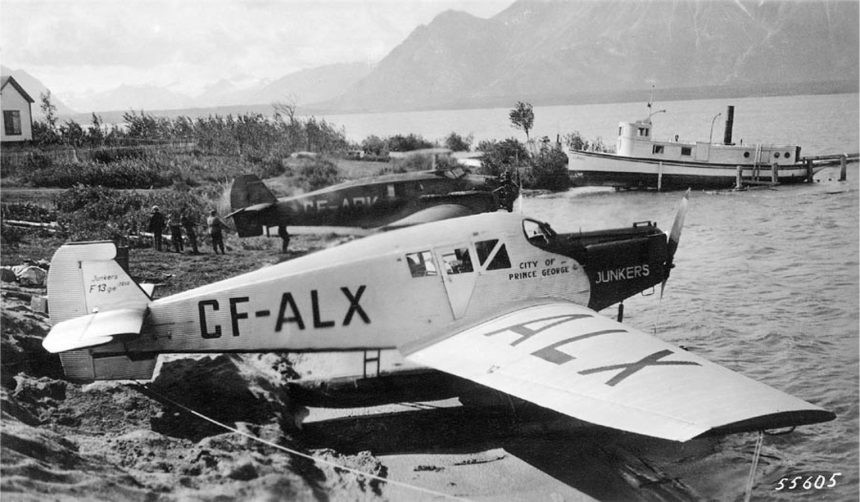
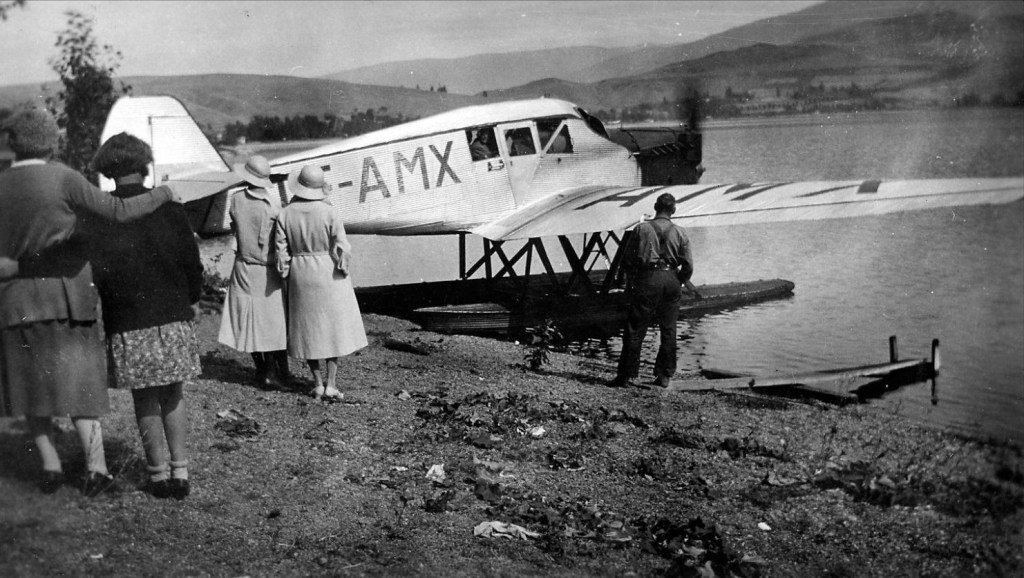
In 1930, the Junkers plant in Dessau produced F 13 construction number 2050. It was given the name Königsgeier (King Vulture) but would find itself being exported to Vancouver, British Columbia, where it would be added to the Canadian civil register on May 27, 1930, bearing the registration code CF-ALX. The aircraft was owned by the Air Land-Manufacturing Company in Vancouver, which also acquired another Junkers F 13, which was built in Germany in 1923 as serial number 663 and was registered as CF-AMX after previously flying in Germany and the United States as D-288 and NC87 respectively. Together, these aircraft would be used to support mining operations in the vast expanse of the Canadian bush country, using pontoon floats to land on rivers and lakes to access remote areas of the country.
CF-ALX was reassembled in a hangar at the Wells Air Harbour on Lulu Island, Vancouver, with the assembly being overseen by British-born flight engineer Ted Cressy. Cressy later accompanied the German pilot Wilhelm (who Anglicized his name to William) Joerss on its first flight in Canada. Along with Joerss and Cressy, the Air Land-Manufacturing Company would hire pilots Edward J.A. “Paddy” Burke and F. Maurice MacGregor and engineer Emil Kading to maintain the two F 13s.
On June 5th, 1930, Joerss flew CF-ALX to Prince George, which sits at the confluence of the Fraser and Nechako rivers. After circling a couple of times over the city, he landed at Tabor Lake, then called Six-Mile Lake. Fourteen days later, on June 19, an official dedication ceremony to mark the air transit route from Vancouver to Prince George, where Prince George’s mayor, A.M. Patterson, and Joerss spoke to a crowd of 500 attendees before Norine Patterson, the mayor’s youngest daughter, christened CF-ALX as City of Prince George, breaking a bottle of wine against the nose of the Junkers. Joerss then took the mayor and his daughters Norine and Georgina and the city clerk, V.R. Clerihue and his wife, for a flight in the City of Prince George. After returning from this short flight, Joerss took several other dignitaries, including R.A. Renwick, editor of the Prince George Citizen for flights around the city.
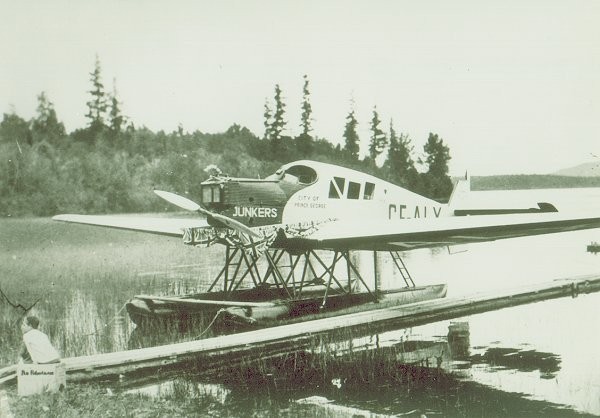
Joerss then offered sightseeing flights of the area for $25 for up to five passengers at a time, with flights to “local points” offered at $1.50 a mile for up to five passengers – with a $50 extra charge if an overnight stop was required
For the next three years, CF-ALX made repeated visits in and out of the wilderness of British Columbia and the Yukon Territory. Every time the City of Prince George flew into Prince George, crowds of people gathered into their cars to see it land and take off again from Six-Mile Lake. Oftentimes, the City of Prince George flew up to four passengers or a load of cargo and was able to swap between fixed wheels or pontoon floats. In May 1933, CF-ALX was sold to Colonel Victor Spencer, a businessman and rancher from Vancouver who had also served as a Lt. Col. in the Canadian Army during WWI. Colonel Spencer was also the son of department store founder David Spencer and served as the director of the Pioneer Gold Mine and Pacific Nickel Mines. As such, the City of Prince George was to continue to support mining operations in Canada. But soon after Colonel Spencer’s purchase of CF-ALX/City of Prince George, its career was to come to a sudden end.
On July 23, 1933, pilot William McCluskey and flight engineer Fred Staines flew the City of Prince George to McConnell Lake, some 100 miles from the nearest settlement of Takla Landing, in northern British Columbia, and which sits inside a cup-like depression. There they picked up two prospectors, Gordy McLennan and Hugh McMillan, and McCluskey began to apply full power for takeoff from the lake. Soon after pulling out of the water, though, the City of Prince George hit a downdraft which kept it from ascending above the approaching tree line. The Prince George’s Junkers L5 engine roared at full throttle as it careened into the treetops, but the plane fell further into the trees. While fighting the downdraft, McCluskey spotted a small clearing by a creek bed ahead of them, enough room to make a forced landing. As McCluskey throttled down to make the landing, the left wing struck a spruce tree with a diameter of 2.5 feet, breaking the wing off but also uprooting the tree itself. The right wing, meanwhile, struck another tree, and the starboard pontoon was ripped from the airplane and thrown clear of it. The Junkers fell into a field of boulders, with one barely missing Fred Staines in the right side of the cockpit. The tail was also torn from the airplane during the crash, but remarkably, all four men escaped serious injuries themselves. The City of Prince George had proved, even in a crash, the F 13’s ruggedness. But surviving the crash was one thing. Finding someone to rescue them was another matter altogether.
Word of the crash reached Takla Lake through a miner who had hiked five days from the crash site to Takla, and soon, a rescue party was assembled to retrieve the survivors. When the searchers found the survivors, it was decided to salvage as much of the aircraft as possible and leave the rest behind, with this effort being led by one C.S. Cameron. Cameron and Staines spent a day making a wider clearing to remove the parts. In this effort they were assisted by miners who journeyed from some of the nearby digging sites. Chief among the components to be recovered would be the engine. In pouring rain, with access only to the tools that were at hand, Staines began carefully dismantling the L5 engine. Cameron would recall later, “The tree which had spiked that wing remained fast and several of us wrestled with it in vain. During an interval’s rest, a thick-set miner, out hunting, approached with gun in hand. He simply exclaimed ‘Howdy,’ surveyed the scene, dropped his gun, put his shoulder under the troublesome tree and walked away with it.”
The next day, Staines continued dismantling the engine, in spite of pouring rain. Having completed the task, the parts were loaded into parcels, with the heaviest components being the crankcase and the crankshaft. They had to be carried by hand across creeks and through the bush to a waiting Junkers W 34 transport, registered as CF-ABK, and flown by WWI veteran pilot Norman “Norm” Forester. After taking several trips in and out of the British Columbian bush, the remainder of the City of Prince George was left to the elements where it fell for the next 47 years.
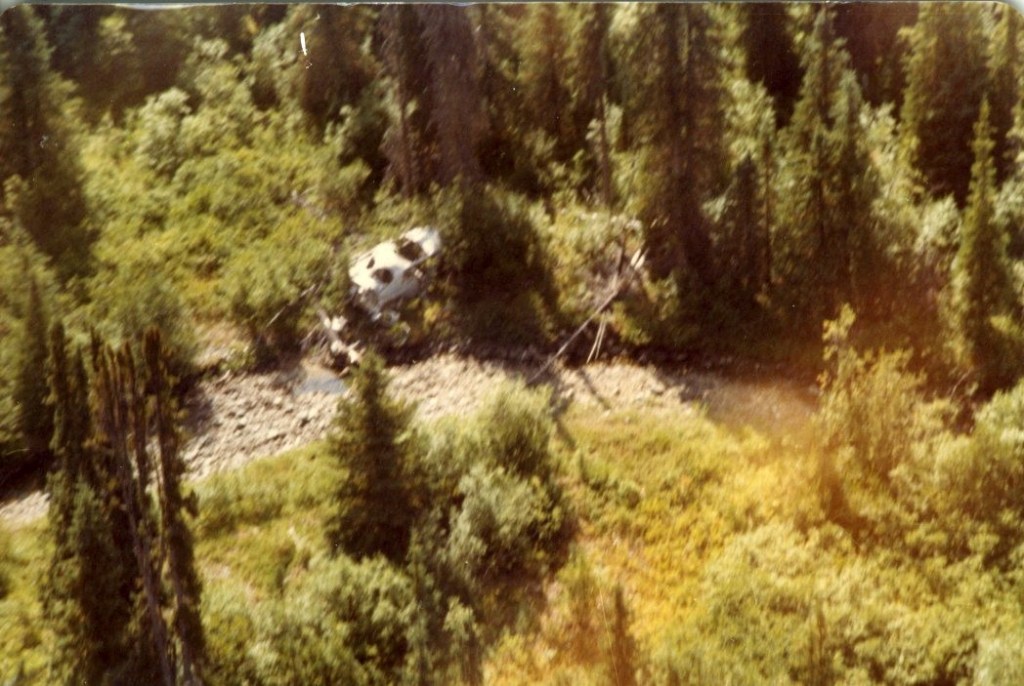
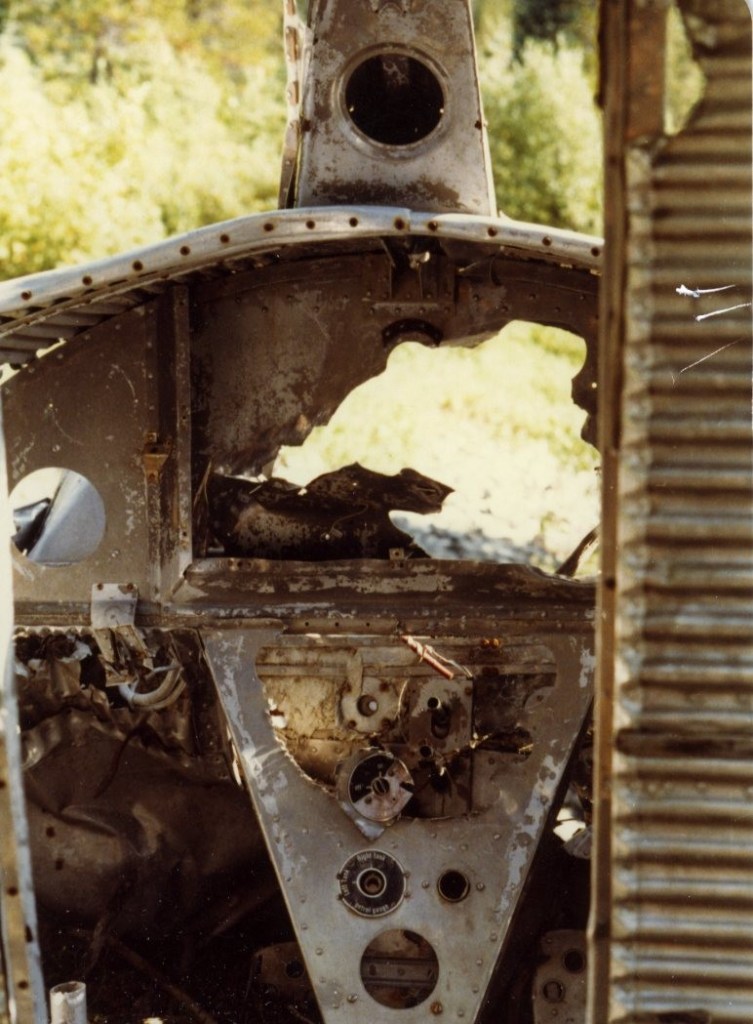
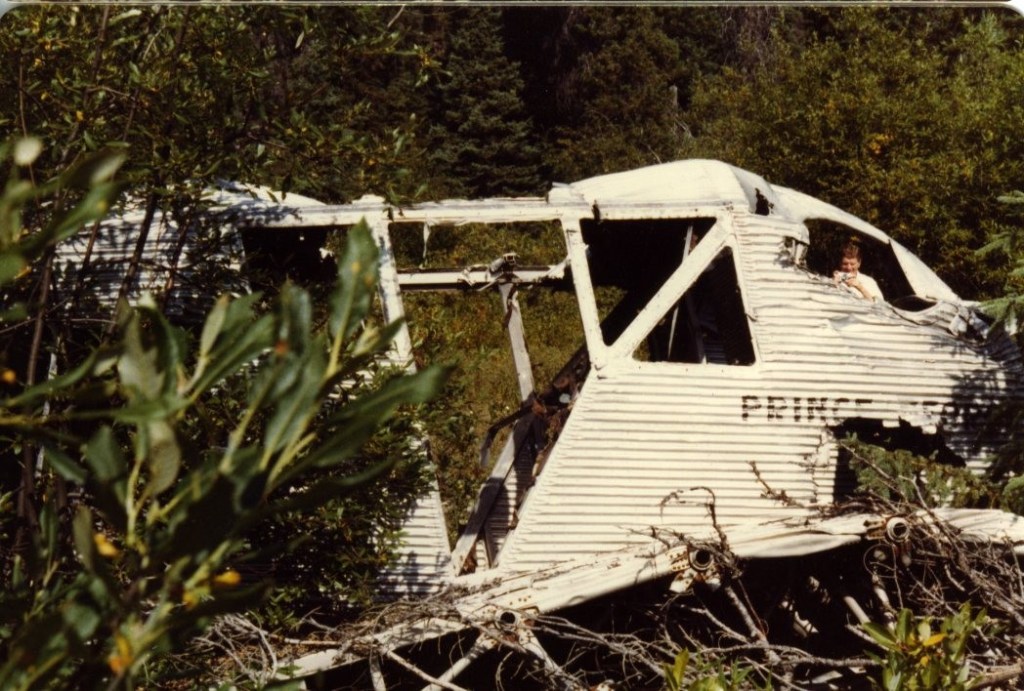
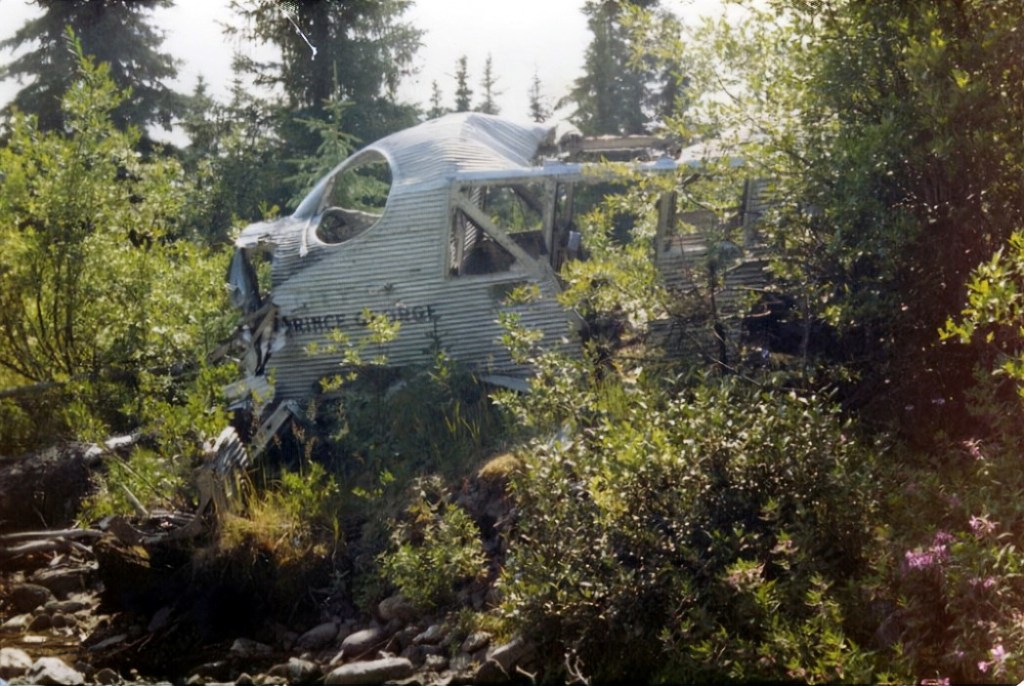
In 1981, Keith Olson and Gordon Emberley, two of the founders of the Western Canada Aviation Museum (now the Royal Aviation Museum of Western Canada), sought to recover the old Junkers F 13, which was now considered one of only five examples of the type in the world, with the others known to be in France, Germany, Sweden, and Hungary. In the summer of that year, a team from the WCAM recovered the wreckage of the City of Prince George, but given the condition it was found to be in 47 years after its write-off accident, it was kept in storage, un-restored by the museum. In 2005, the WCAM made a mutually beneficial arrangement with the Deutsches Technikmuseum in Berlin (DTMB), Germany. In exchange for loaning the F 13 back to Berlin, the DTMB would place the aircraft on display and eventually find the resources to restore it for the WCAM. This would result in the City of Prince George returning to Germany in 2006 for the first time in over 70 years, but this time, it would cross the Atlantic not by ship but by a Lufthansa cargo plane.
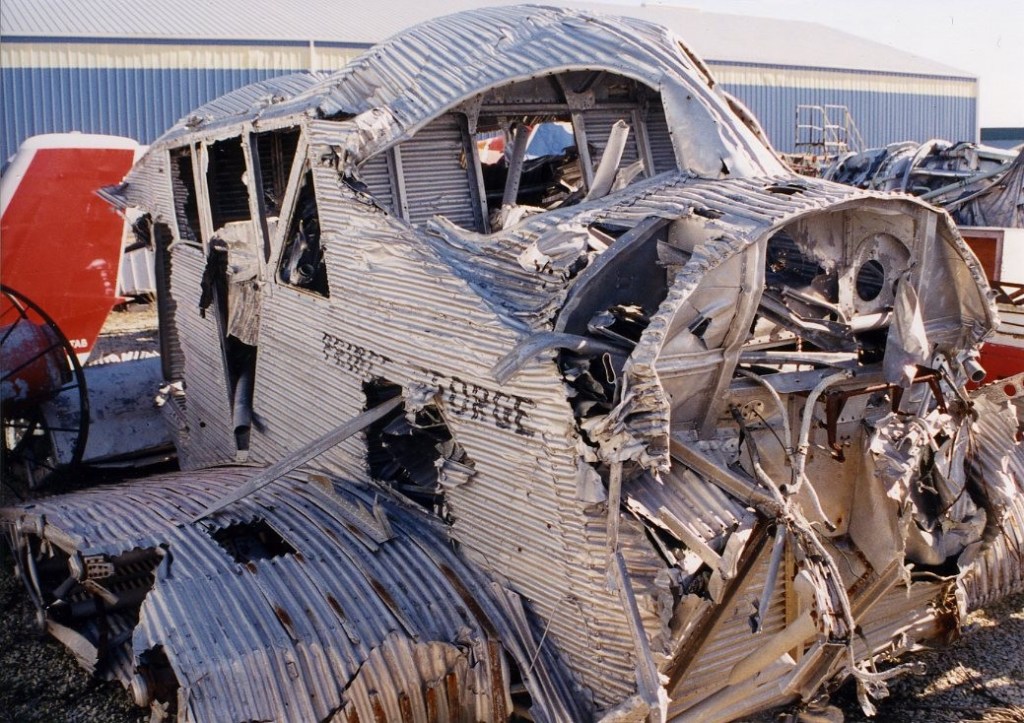
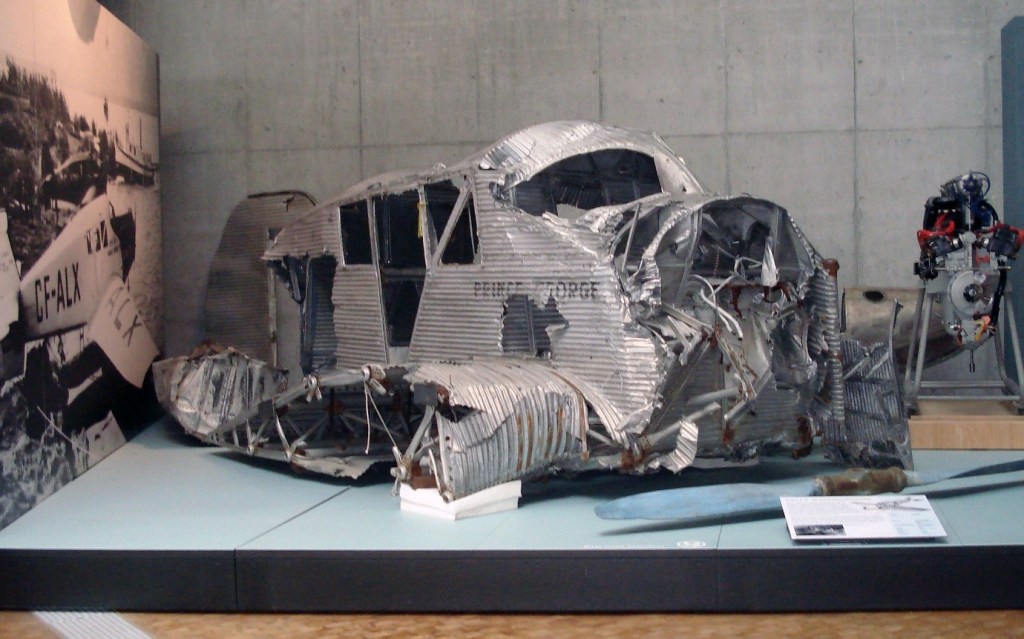
For several years, the F 13 was displayed in an unrestored state at the Deutsches Technikmuseum in Berlin, with the wall behind it plastered with a historic image of the intact aircraft in Canada during the 1930s, its name still clearly visible on the fuselage. Later, the aircraft was sent to be restored in Hungary, along with the remains of another Junkers from the WCAM, Junkers W 34 CF-AQV, serial number 2710, which crashed on September 1, 1939, which had also been recovered by the WCAM and had been placed on long term loan to the DTMB.
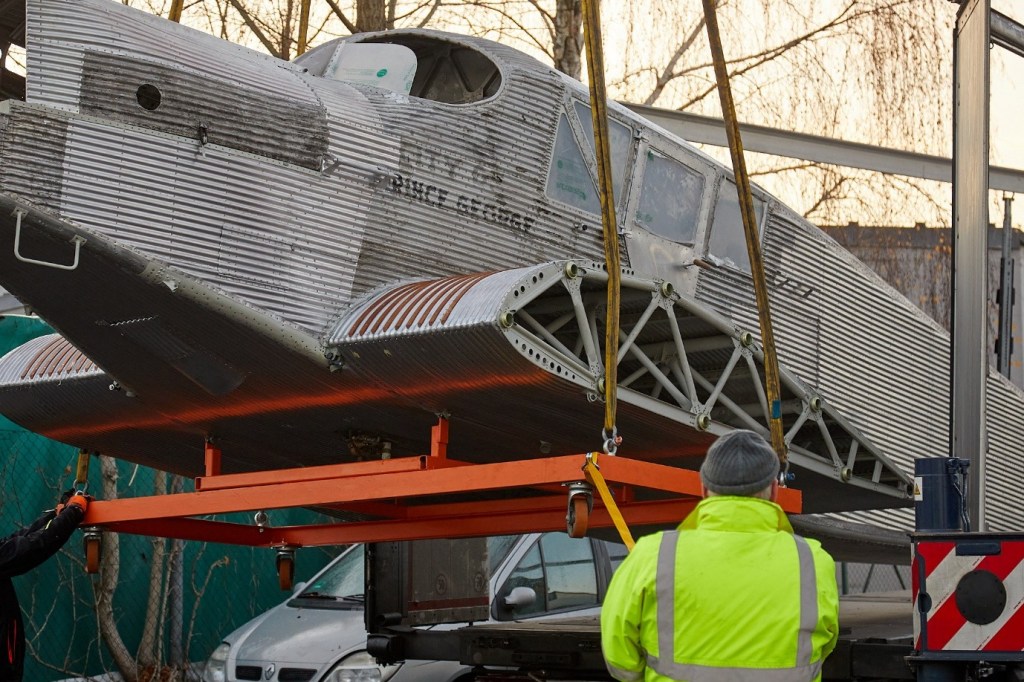
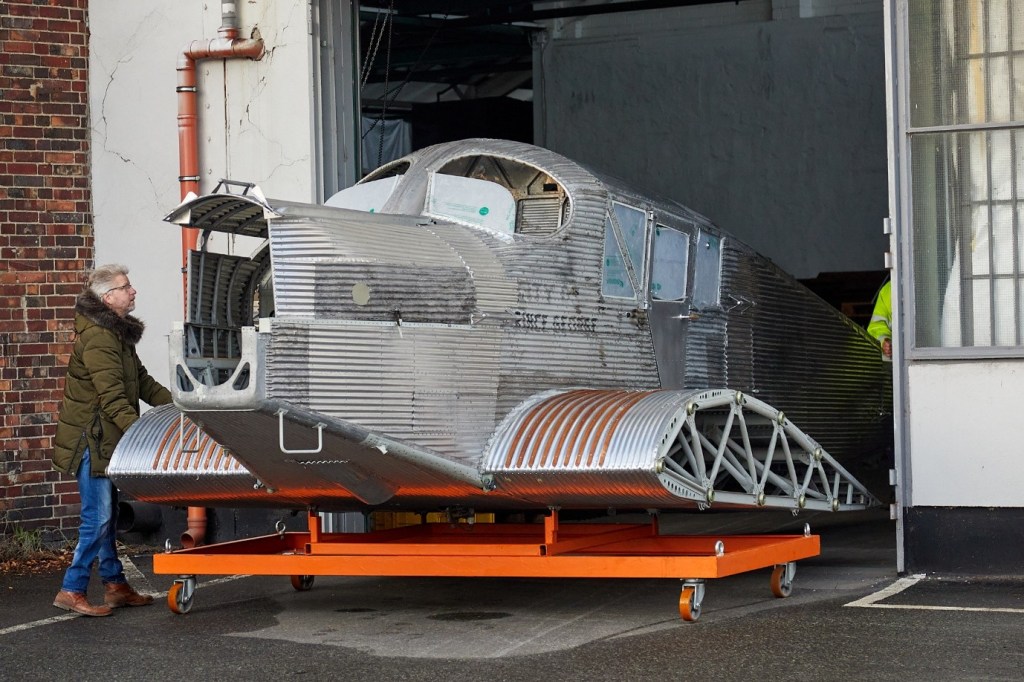
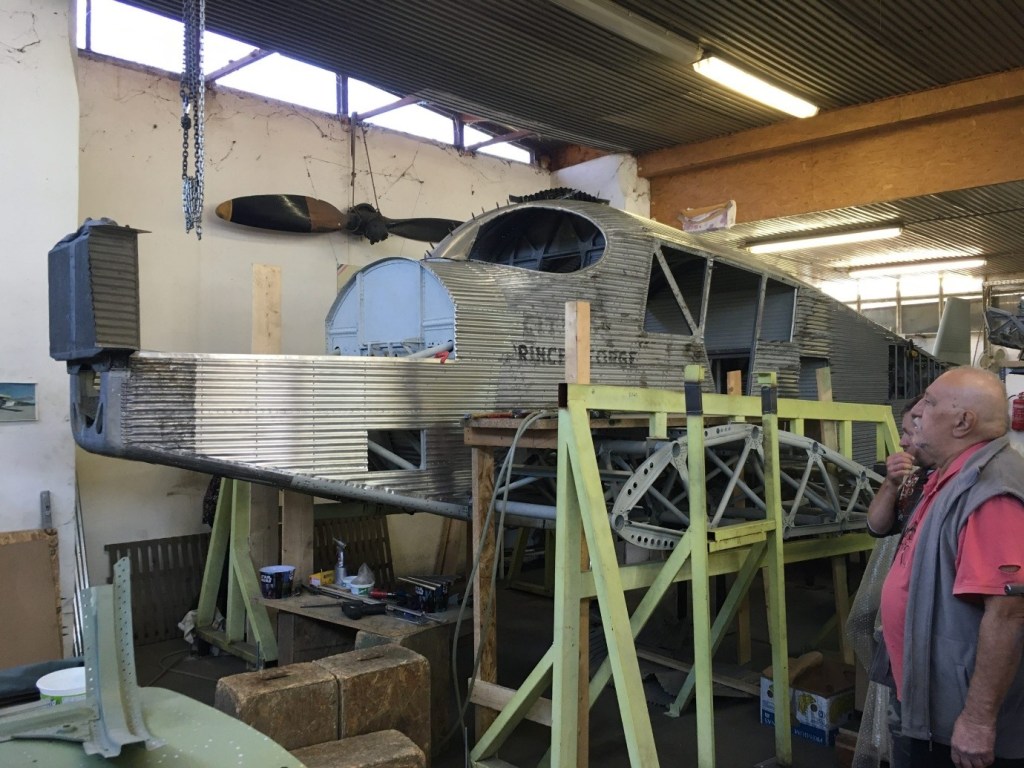
In September 2024, the King Vulture/City of Prince George was returned to the Royal Aviation Museum of Western Canada. Among those who welcomed it back were Keith Olsen and Gordon Emberley, no doubt thinking back to when they first saw its wreckage at McConnell Lake.
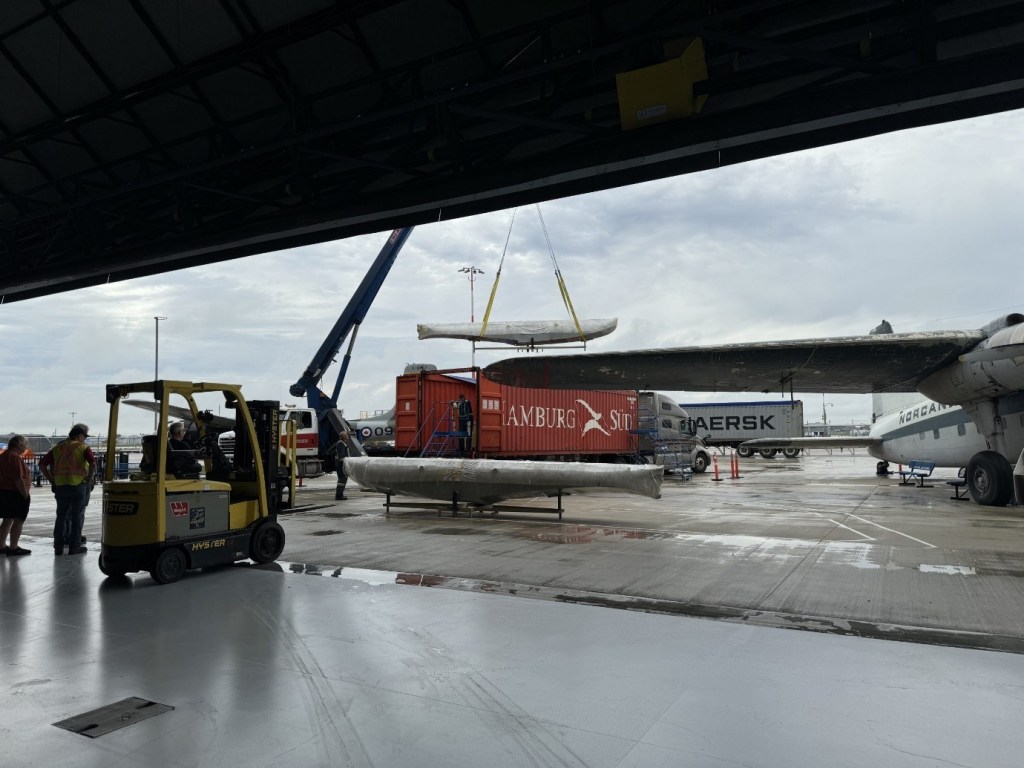
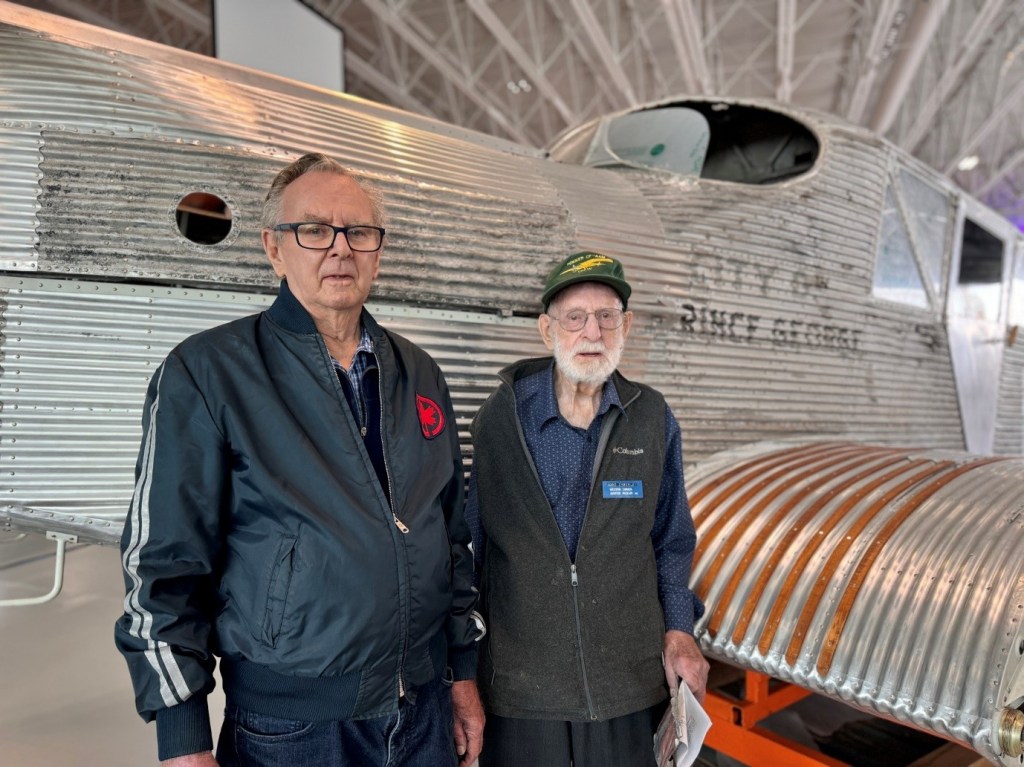

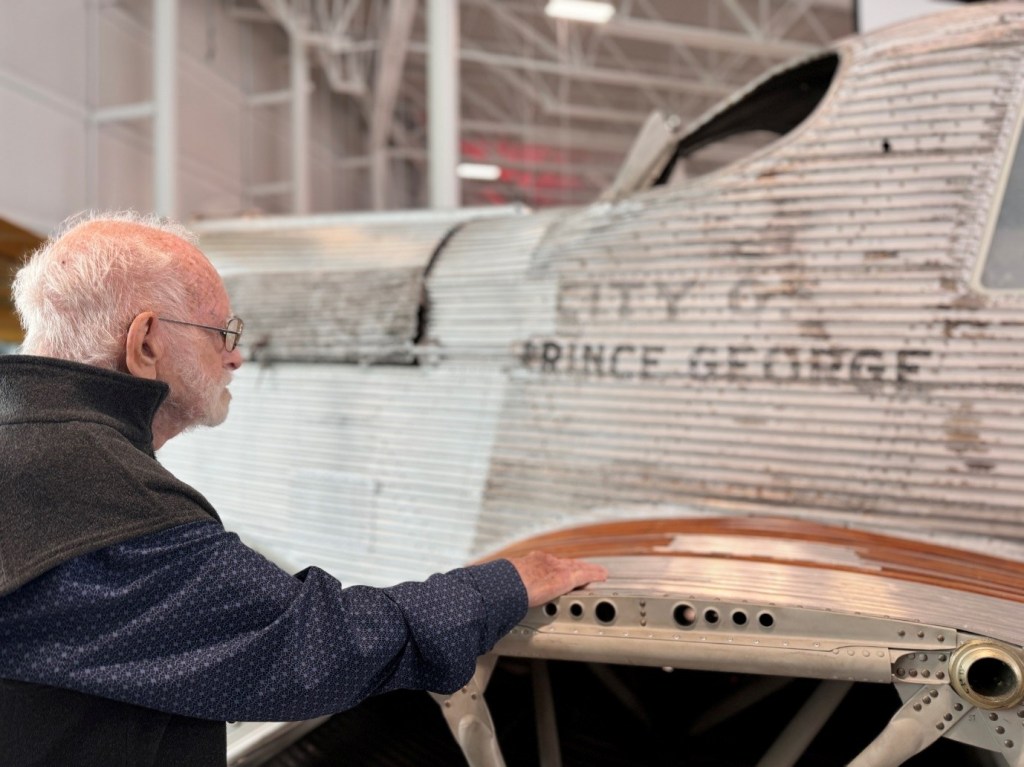
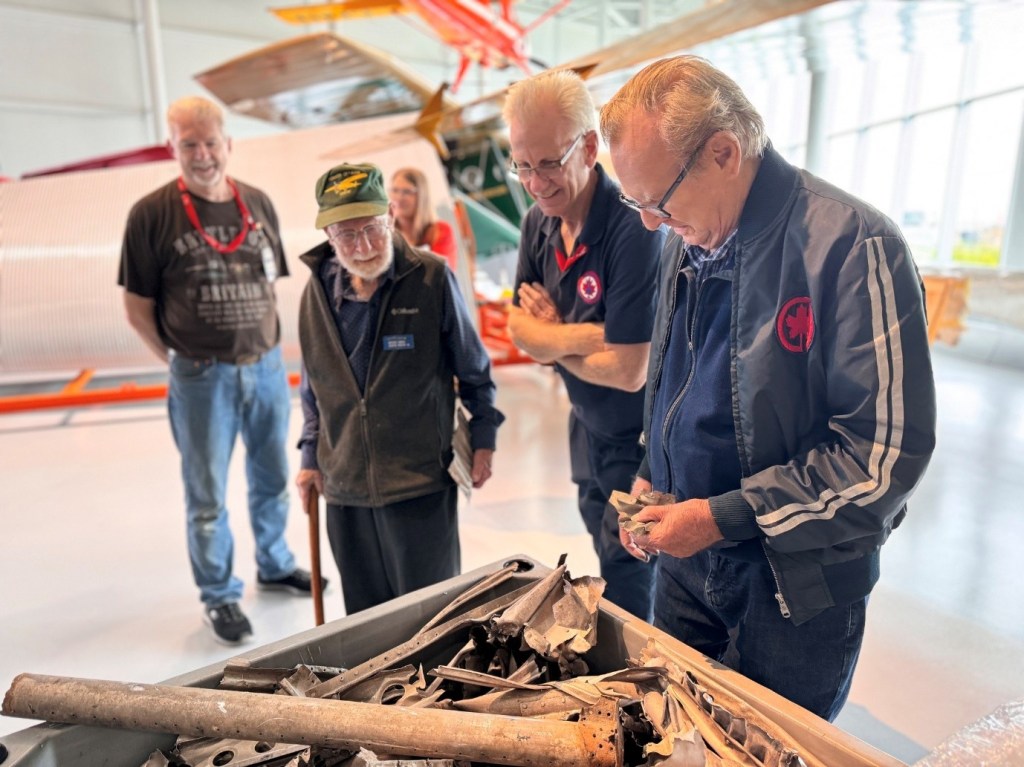

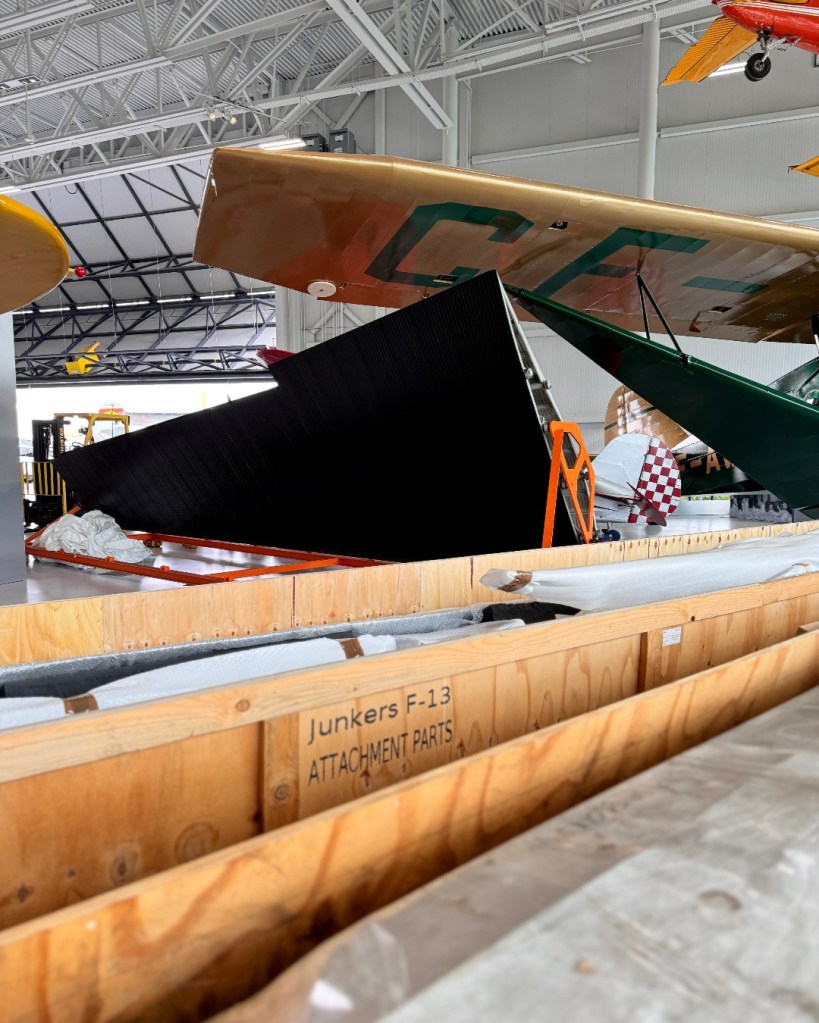
With the City of Prince George back in Winnipeg, the Royal Aviation Museum of Western Canada will reassemble the aircraft on the museum floor and will have it displayed in its configuration as a floatplane.
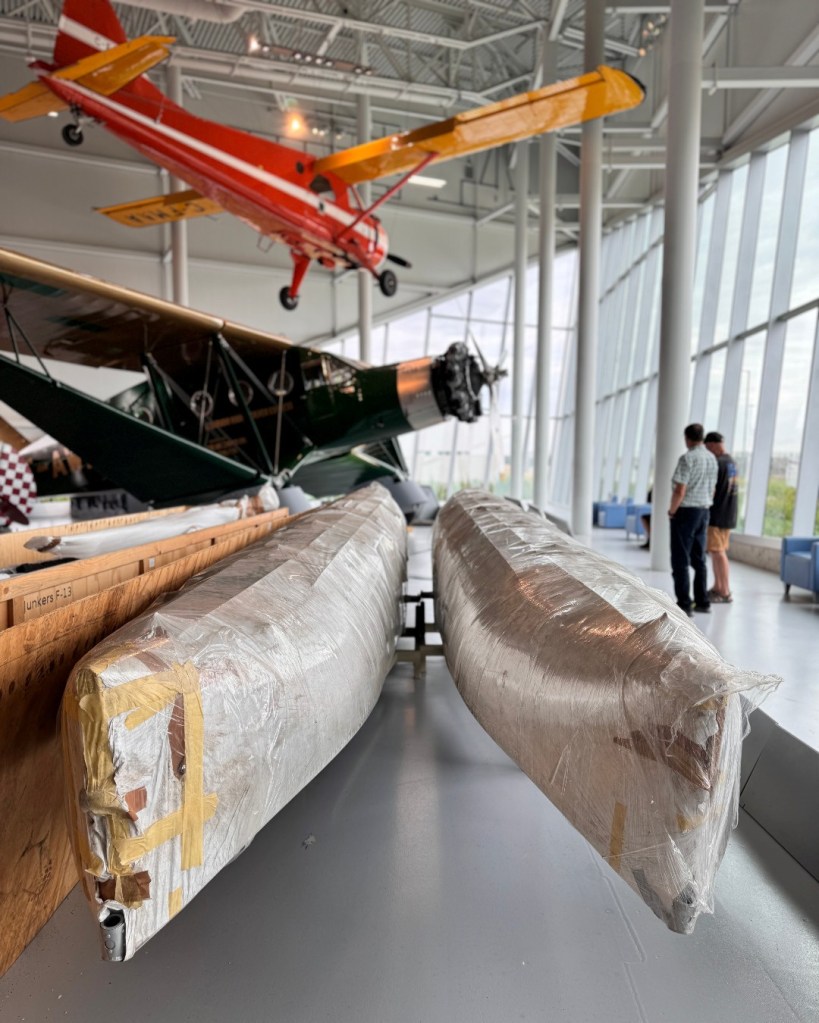
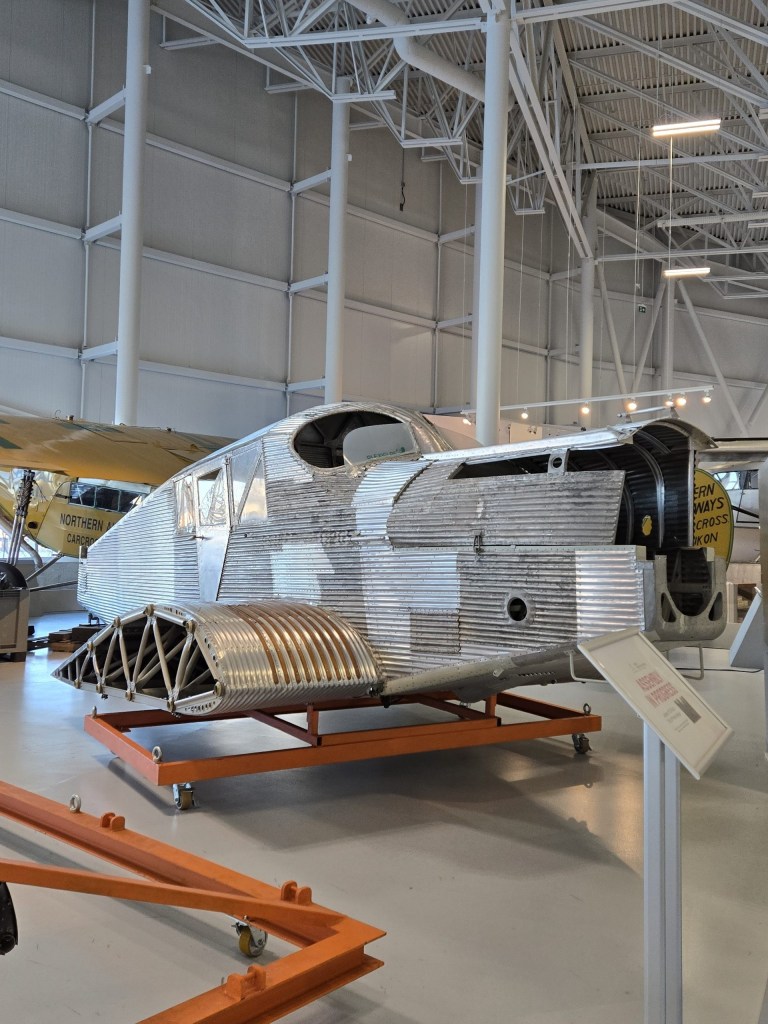
In the meantime, the restoration team has also been focused on other projects including the final reassembly of the museum’s recently restored Canadair Sabre Mk.6 RCAF s/n 1815, which has also been brought to the museum’s display floor. The RAMWC will reassemble the aircraft in due time, however, as the only surviving Junkers F 13 displayed outside Europe.






 All Aero