
Reg and Francis Fox built this unregistered biplane at St. Kilda, Melbourne, Australia. The ‘Flying Fox’ was initially powered by a Le Rhone engine and was still flying in 1939.
Reg and Francis Fox built this unregistered biplane at St. Kilda, Melbourne, Australia. The ‘Flying Fox’ was initially powered by a Le Rhone engine and was still flying in 1939.
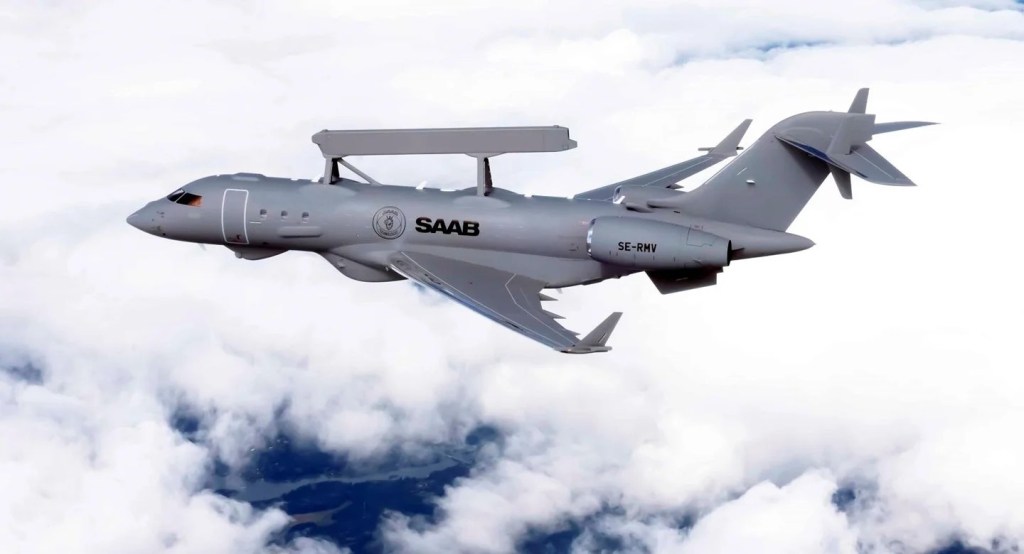
The Saab GlobalEye Airborne Early Warning and Control (AEW&C) aircraft uses the Bombardier Global 6000/6500 platform.

The Erieye radar system, installed on the GlobalEye aircraft, is capable of tracking airborne targets at a range of 650 km and ground targets at 425 km. Saab notes that the radar, thanks to its AESA (Active Electronically Scanned Array) technology, is sensitive enough to track drones at distances ranging from 100 km to 600 km.
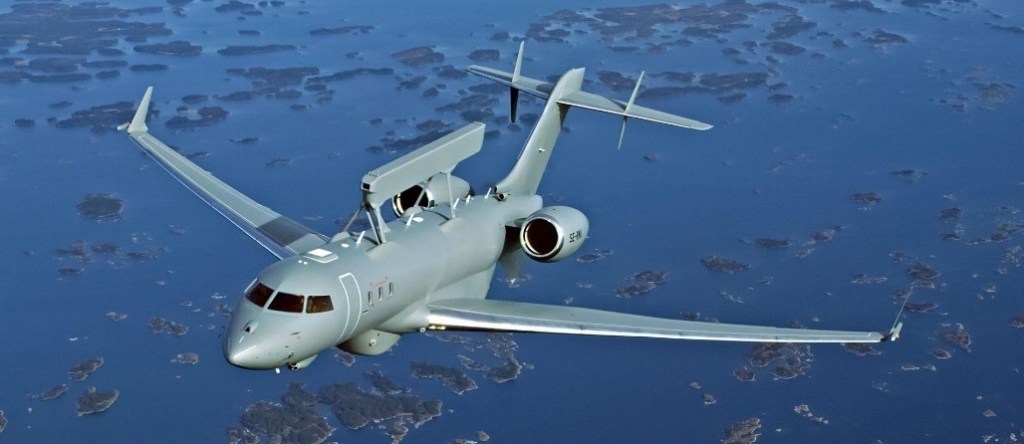
The Erieye radar system, developed by the Swedish company Saab Electronic Defence Systems, provides a 300-degree coverage, detecting airborne and maritime targets.
The system is used by the air forces of countries such as Sweden, Brazil, Pakistan, Thailand, Greece, Mexico, the United Arab Emirates, and Saudi Arabia. The installation platform varies depending on the customer’s needs.
The 1908 Vendome No. 2 monoplane was designed and built by Raoul Vendome in France.
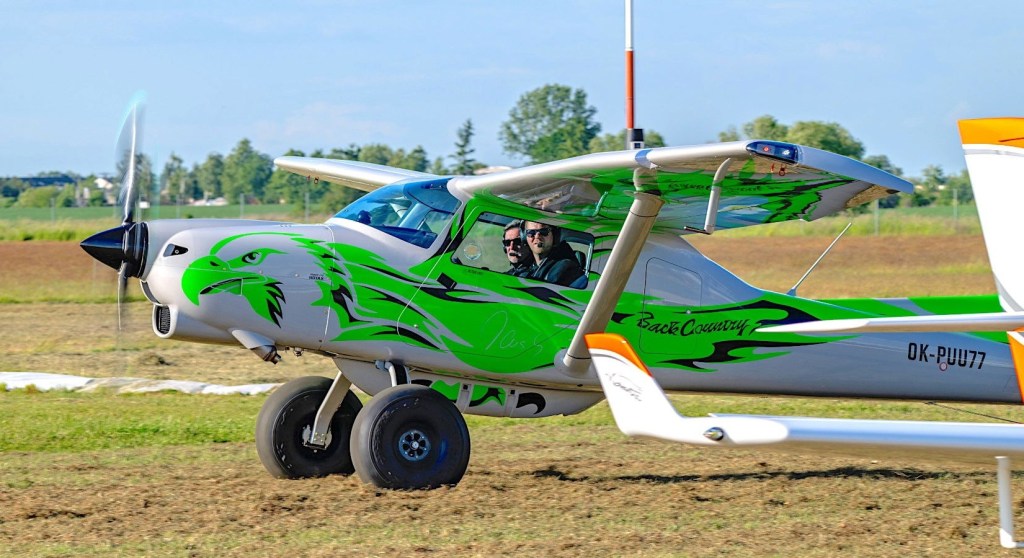
TL Sport Aircraft announced the latest addition to its fleet in July 2025, designed in the format of its predecessors like the TL-3000 Sirius, the Sirius BackCountry provides STOL (short takeoff and landing) performance.
Czech Republic-based TL Sport stated that the aircraft was engineered and designed specifically for the North American market. The BackCountry maintains a 156-mph cruise speed, while posting sub-200 foot landing capability and the ability to take off in less than 100 feet. The aircraft features an airframe constructed from a lightweight Carbon Kevlar composite mix along and supported by 26-inch Alaska Bush tires.
TL Sport made note that the Sirius BackCountry has creature comforts and sophisticated electronics, with heated leather seating and Garmin avionics, configurable for both VFR and IFR conditions.
Development of the aircraft was originally announced at the 2024 AirVenture.
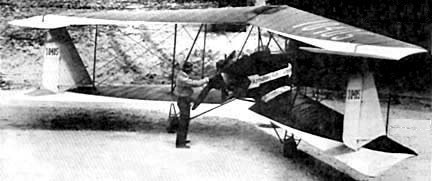
The 1930 Safety Airplane B-2 was an open cockpit single place tailless experimental based on early Burgess-Dunne concept, designed by J W Davis (ex-Burgess Co).
Said to have first been backed by Glenn Curtiss, had a 30° swept wing with all its movable controls at the wingtips.
Two were built, NX899Y and N10405, the latter made 34 flights before both disappeared into history.
Engine: Szekely
Stall: 22 mph
Seats: 1
Safety Aircraft Corp (B L Smith)
Miami FL.
USA
Built the Arrowhead Safety Airplane B-2 in 1930






 All Aero