Canada
Formed in Montreal by Bernard C. Maranda to develop and manufacture ultralight aircraft, acquiring worldwide license for Adam RA-14 and RA-17 high-wing monoplanes from French designer Roger Adam in 1957. These marketed as RA14BM1 and BM3. Also developed Hawk BM4, based on Beam Minicab, and Lark BM6 single-seat aerobatic biplane.
Author: Terry
Mirage Aircraft Marathon
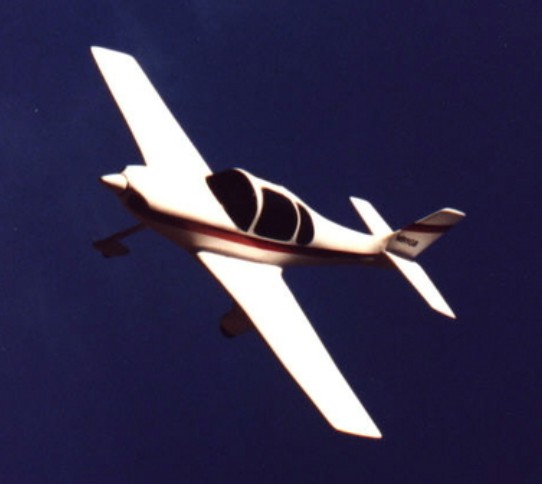
The Marathon is a high performance, 2-place side-by-side plans built airplane with fixed tricyle landing gear. Constructed primarily of wood and fiberglass covering, the Marathon cruises at about 185 mph range on 150hp and has a range of over 900 miles. Engines range from 150 to 180hp.
The builder has the choice of carrying all the fuel in the wing, or sleek tip tanks can be installed.
Complete landing gear assemblies and other finished components were available from Mirage Aircraft. Six construction videos are also available.
The complete set of plans, videos, and construction manual guide you through the project, teaching you the skills as you go.
The Marathon is patterned after the Celerity, which was designed by Larry Burton.
Engine: Lycoming O-320, 150 hp
Cruise: 185 mph
Range: 900 miles
HP range: 150-180
Wingspan: 25ft
Length: 21 ft 10in
Mirage Aircraft Celerity
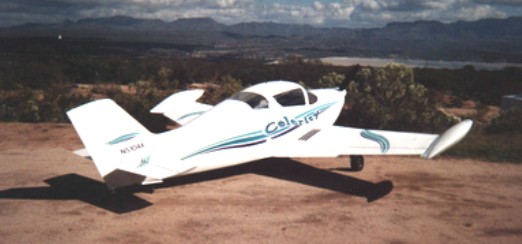
The Celerity was designed by Larry Burton, who flew the prototype in 1985 and won an Oshkosh workmanship award that same year. The prototype has accumulated over 900 hours. It is designed to be built by the average person, with average skills, at low cost, yet perform as well as the most expensive kit airplanes in it’s class.
The Celerity is a high performance, 2-place side-by-side plans built airplane with fully retractable landing gear, including the tail wheel. It can also be built as the “Marathon” with fixed tricycle gear. Designed for builders with average skills, both aircraft are constructed from wood with fiberglass covering. Six construction videos were available. Celerity cruises in the 200 mph range on 150 to 180 hp and has an operating range of more than 750 miles with fuel reserve. The builder has the choice of carrying all the fuel in the wing, or sleek tip tanks can be installed.
Complete landing gear assemblies and other finished components were available from Mirage Aircraft.
Engine: Lycoming O-320, 160 hp
HP range: 150-180
Height: 5.5 ft
Length: 21 ft 10 in
Wing span: 25 ft
Wing area: 100 sq.ft
Weight empty: 1169 lb
Gross: 1800 lb
Fuel cap: 44 USG
Speed max: 220 mph
Cruise: 205 mph
Range: 1000 sm
Stall: 50 mph
ROC: 1800 fpm
Take-off dist: 800 ft
Landing dist: 1000 ft
Service ceiling: 20,000 ft
Seats: 2
Landing gear: retractable tail wheel
Mirage Aircraft
Made plans and some components available for the construction of the Celerity two-seat monoplane, originally designed by Larry Burton and first flown in 1985.
1996: 3936 Austin St, Klamath Falls, OR 97603, USA.
2009: Mirage Aircraft, Inc, 8702 N Silver Moon Way, Tucson, AZ 85743, USA
Minty Special Skyhook
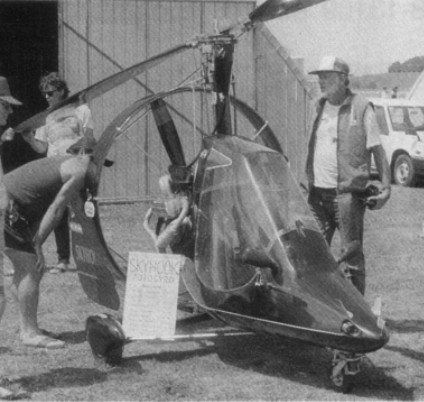
Ted Minty designed Skyhook single-seat light autogyro, first flown 1978.
Minno Pfttt
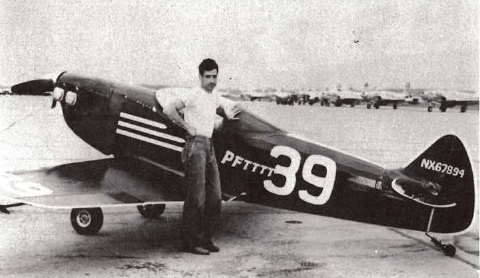
Rodney Minno’s ‘Pftttt’ was flown by Mike Agander, Los Angeles, California.
Miniplane Top 80
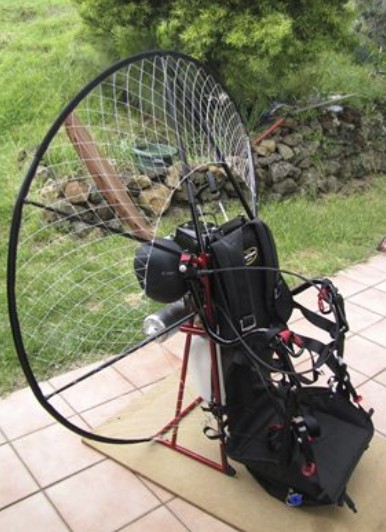
The Miniplane paramotor with Top 80 motor is made in Italy.
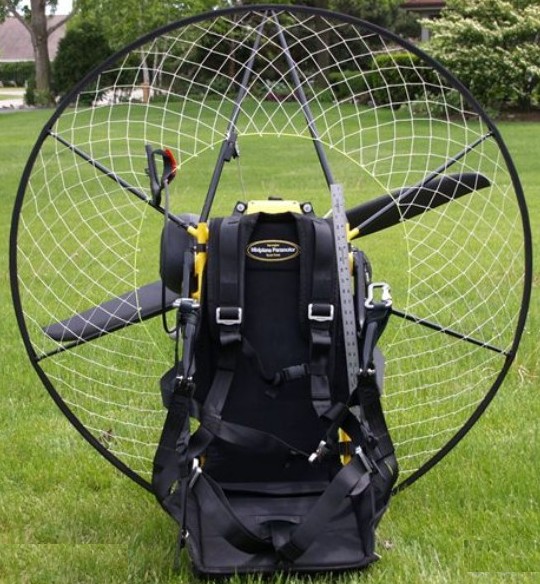
The Top 80 motor is in a breakdown lightweight chassis and cage, the whole package can break down into a sealed, lockable black plastic box.
The ABM chassis has low hang point cantilever bars making weightshift for turning and thermalling and launching easier. Weight is 19.9kgs.
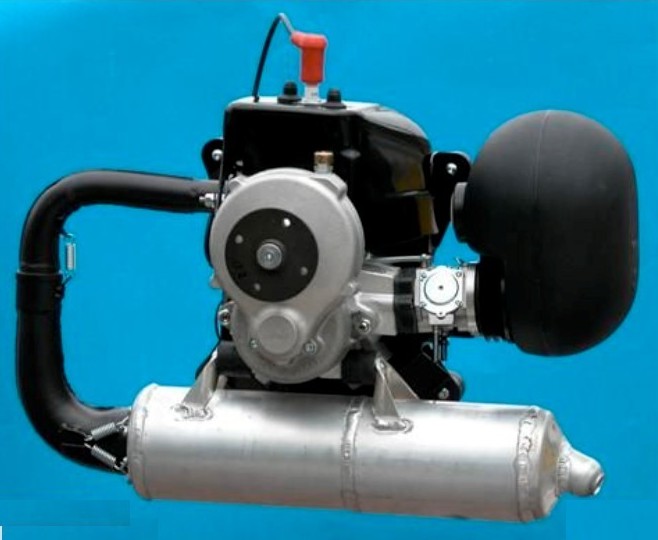
Two sizes: 65-90kgs and 85-100kgs.
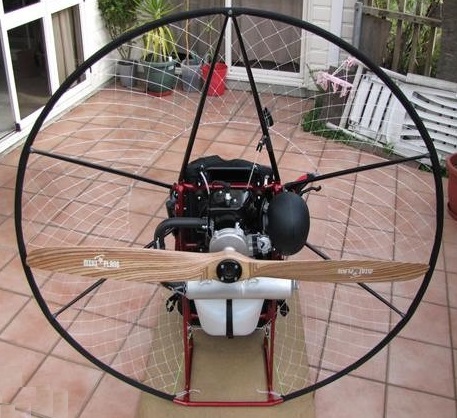
CLASSIC high hang point PSF System
115 cm prop
125 cm cage diameter
18,8 Kg
Standard reductor : 21/71
Centrifugal clutch
Carbon prop 2 blade
Top80 motor 80cc
Pilot weight 90kg
Mills Special
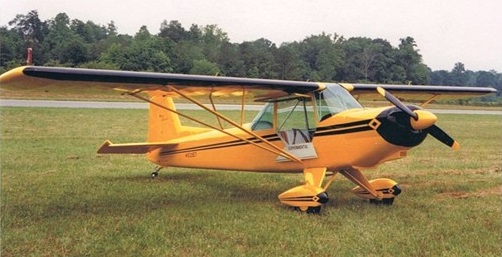
This original design high wing light plane was designed by Jerry Mills, who started the construction in 1978. After the death of designer the construction was continued by Edward J. Thomason and James Smith of Calhoun, Georgia, USA. Registered N520ET on May 9, 1994, the aircraft was first flown a year later, May 20, 1995. The one-of-a-kind single-seat aircraft, nicknamed Puddle Jumper, has a 150 hp Lycoming O-320-E2D engine, and features a mixed steel/aluminium (fuselage) and wood/fabric (wings) construction. On July 28, 2005, the aircraft was registered to Jack Hurdle of Senoia, Gerogia.
Mini-Hawk Tiger Hawk
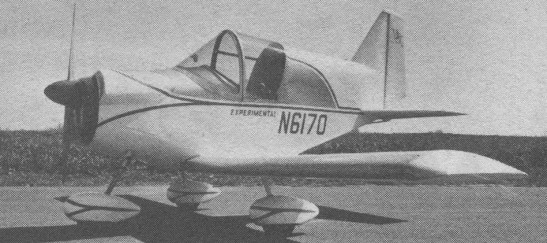
The Mini-Hawk combines the economy of the Volkwagen engine with that of detachable wings for towing or storage. Standard VW engines up to 67 hp can be used. The wings can be removed in under 10 minutes. Its all-metal construction is built around a configuration which includes low wings with trailing-edge flaps and seating for one under an enclosed canopy. The tricycle landing gear includes a steerable nosewheel, disc brakes and wheel fairings all around.
Gross Wt. 800 lb
Empty Wt. 525 lb
Fuel capacity 12 USG
Wingspan 18 ft
Length 13 ft 3 in
Engine 72-hp Revmaster Volkswagen
Top speed 175 mph
Cruise 160 mph
Stall 50 mph
Climb rate 1000 fpm
Ceiling 10,000 ft
Takeoff run 400 ft
Landing roIl 400 ft
Range 700 nm
Mini-Hawk International
1980: Mini-Hawk International Inc., 1930 Stewart Street, Santa Monica, CA 90404, USA.
Built the Tiger Hawk LSA

