Back to Avro 652 Anson
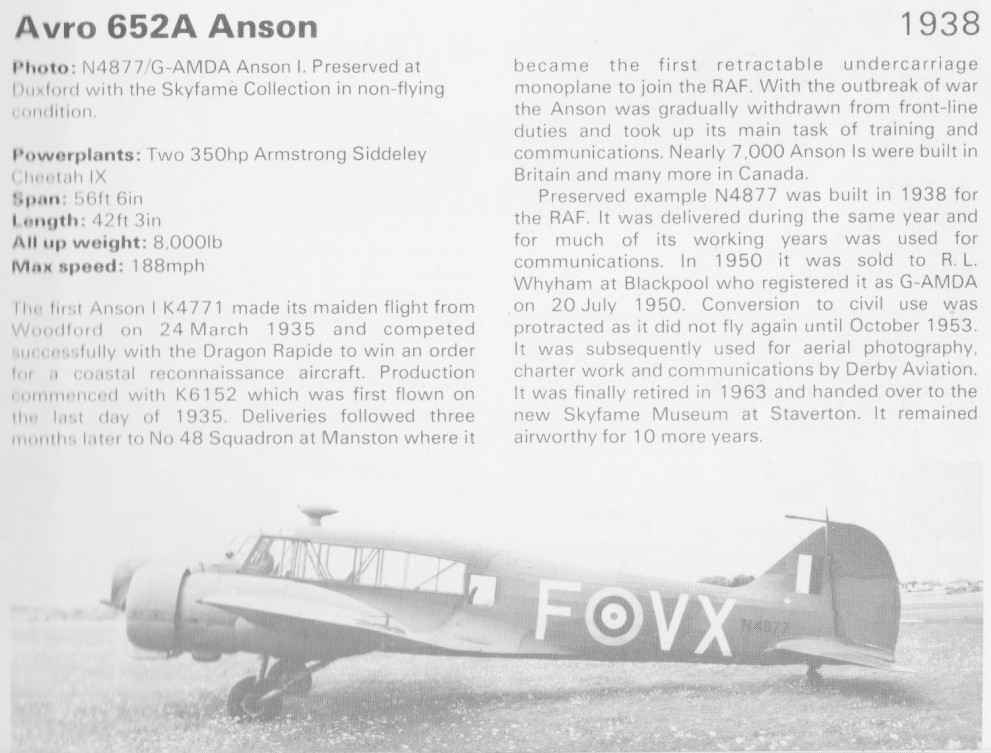
World’s Only Airworthy AVRO Anson Arrives in Belgium – May 2025
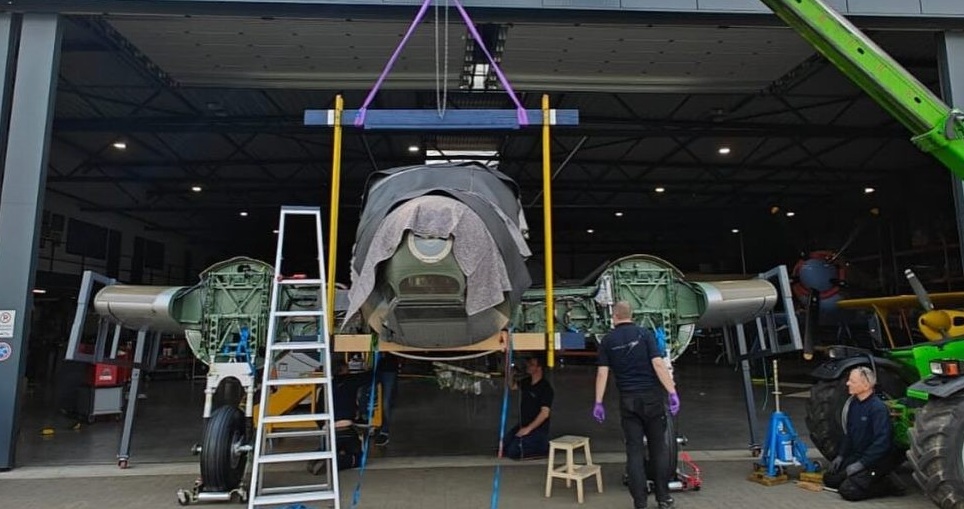
The world’s only airworthy AVRO Anson Mk.I, serial MH120 (ZK-RRA), has arrived in Belgium after a transcontinental journey from New Zealand. Recently acquired by R.A.F. Station Czechoslovakia, the historic aircraft is now undergoing reassembly and preparations for test flights.
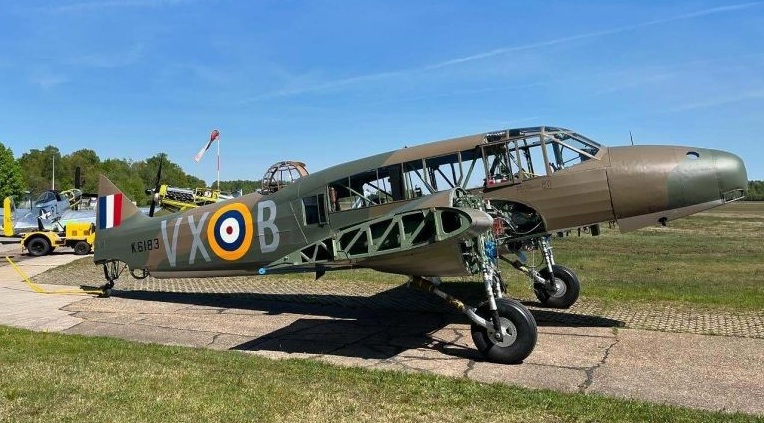
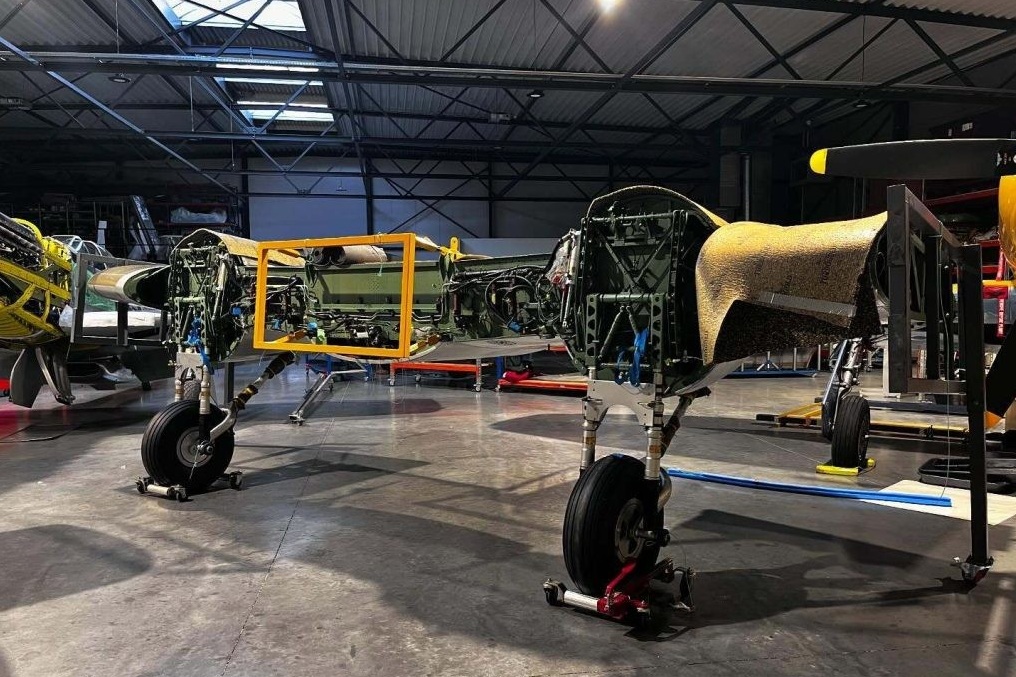
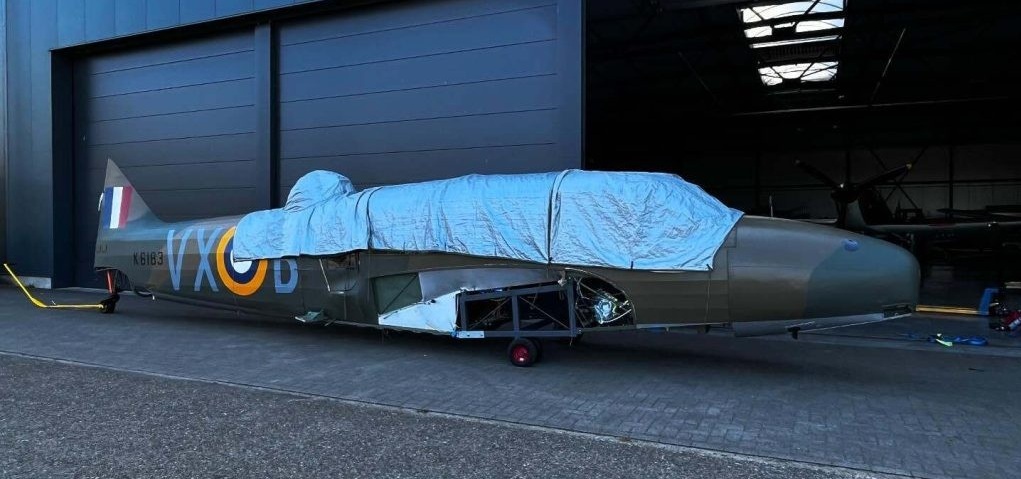
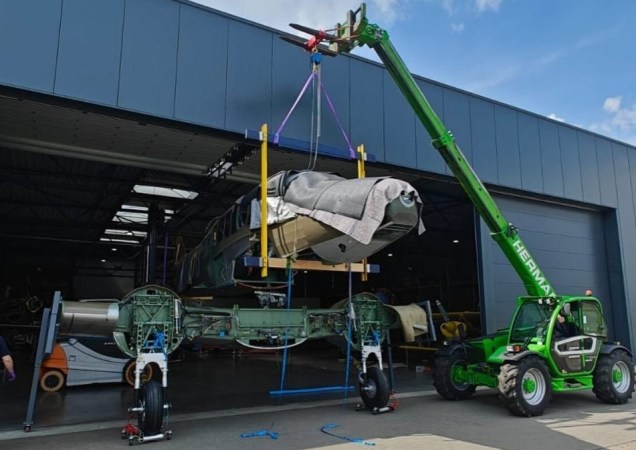
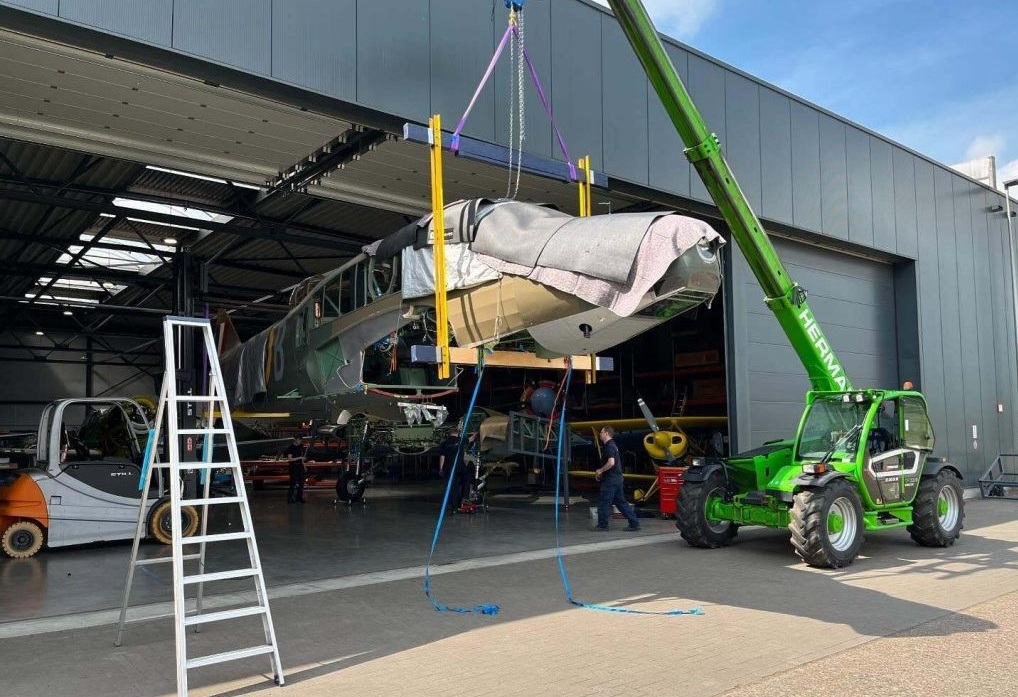
On Wednesday, April 30, the AVRO Anson Mk.I MH120 (ZK-RRA) arrived in Belgium following a long journey from its previous home base in New Zealand. The aircraft was acquired in late 2024 by R.A.F. Station Czechoslovakia, a collection of airworthy historic aircraft based at the Aviation Museum Hangar at Podhorany Airfield (LKPN) in the Czech Republic. The reassembly of the Anson is being carried out by FAST Aero in Belgium. In the coming weeks, the aircraft will be fully reassembled and prepared for a series of test flights.
The Avro 652A Anson, serial number MH120, boasts a rich and varied history spanning military service, civilian use, and meticulous restoration. Built in 1943 by A.V. Roe and Co. Ltd. at Yeadon near Leeds, the aircraft was originally constructed as an Anson Mk.I, powered by Armstrong Siddeley Cheetah 15 engines. It was taken on strength by the Royal Air Force (RAF) and later transferred to the Royal Australian Air Force (RAAF) on 20 March 1944. Following its military career, MH120 transitioned to civilian use. On 23 February 1953, it was acquired by Greenfield Air Taxis in Albury, New South Wales, for £100. It later changed hands on 9 September 1957 to Aerocartographic Service Pty Ltd, operating under Brain and Brown Airfreighters Pty Ltd at Moorabbin Airport, Melbourne, and was registered as VH-BAF.

A significant event in its history occurred on 7 October 1960, when the aircraft crashed during takeoff at Moorabbin. Rather than being retired, the aircraft underwent a major rebuild. By May 1963, under the supervision of Terry Brain—co-founder of Brain and Brown Airfreighters and a devoted Anson enthusiast—it was converted into the unique Avro 652AM (Modified). This upgrade included fitting a metal wing from an Avro XIX and installing more powerful Cheetah XV engines. The aircraft was repainted in a striking green and white livery with black trim.
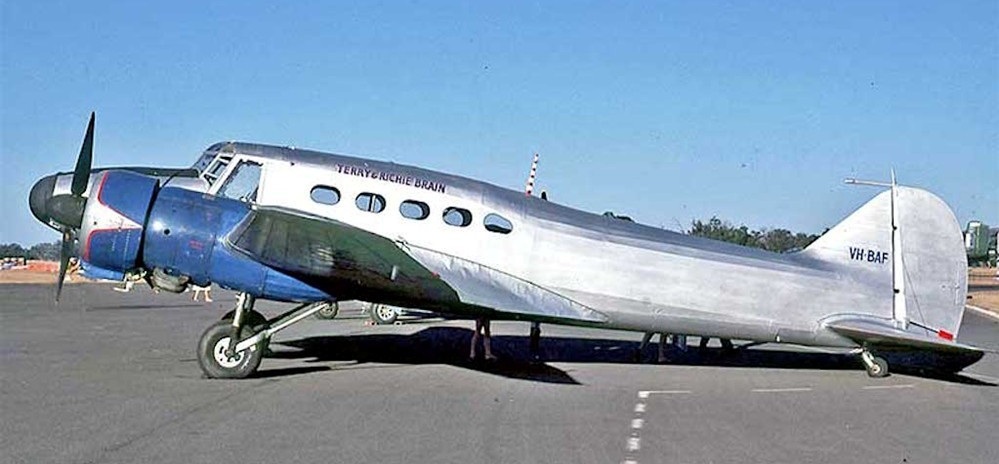
The Anson continued flying under the ownership of Brain and Brown Airfreighters Pty Ltd and, from 13 January 1984, Z.A. (Terry) Brain himself. By February 1985, VH-BAF was recognized as the last British-built Avro Anson still flying—a testament to Brain’s passion and dedication.
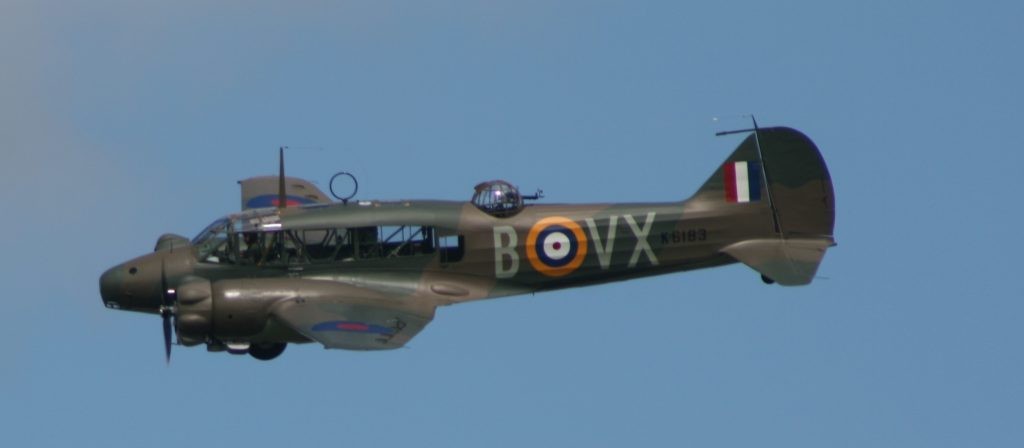
In 2002, the aircraft was sold to Bill Reid of Wakefield, Nelson, New Zealand, and re-registered as ZK-RRA. Between 2003 and 2012, it underwent a meticulous restoration to its original wartime configuration. This work included RAF Coastal Command camouflage, the installation of a dorsal turret, restoration of the military glasshouse-style cabin windows, and the addition of a sloping cockpit windscreen sourced from aircraft N1334.
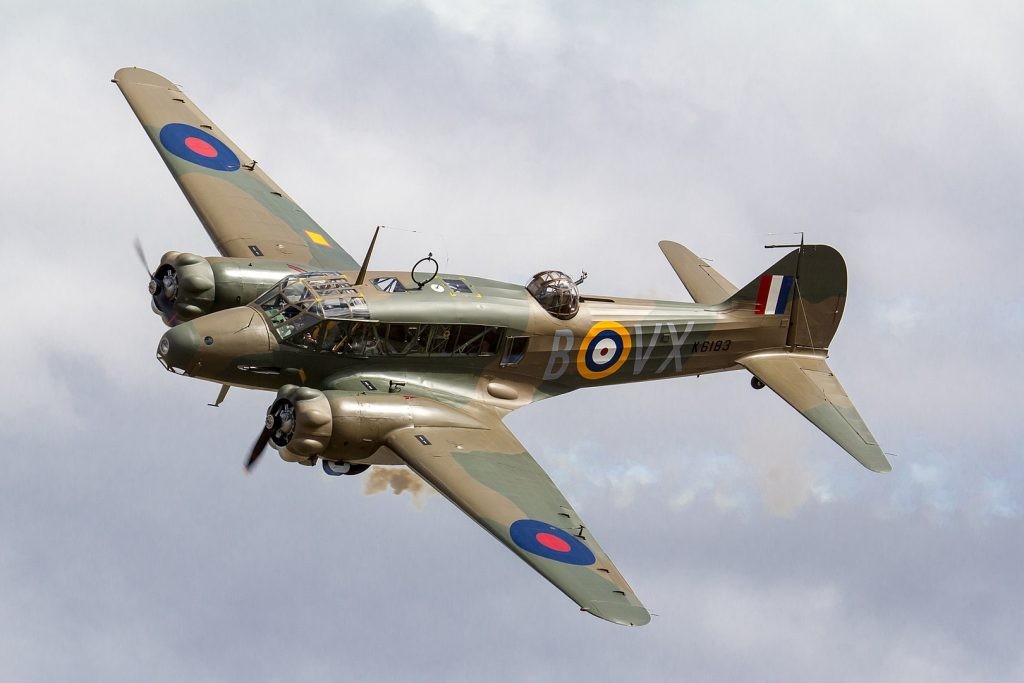
By 2012, ownership had passed to RR Aviation Limited, operated by Bill and Robyn Reid. The aircraft’s restoration was completed in time for its public appearance at the 2016 Warbirds Over Wanaka Airshow in Otago, New Zealand, where it was celebrated as the world’s only airworthy Mk.I Avro Anson. It is not yet known whether MH120 will retain its RAF Coastal Command colors, painted to represent ‘K6183’ with the code ‘VX-B.’ However, it is expected that the Anson will receive a Belgian civil registration—at least for the duration of its test-flying phase.
Two days after war was declared in September 1939, Pilot Officer Laurie Edwards of New Plymouth, New Zealand, was flying a reconnaissance sortie in Avro Anson Mk.I K6183 of No. 206 Squadron, RAF Coastal Command, over the Frisian Islands in the North Sea. While cruising at 300 feet, Edwards spotted a Heinkel He 115 floatplane and immediately launched an attack. For fifteen minutes, the two aircraft exchanged fire. Early in the encounter, Leading Aircraftman John Quilter, manning the Anson’s turret, was fatally hit. Despite Edwards’ efforts, the Heinkel’s firepower proved superior, and the Anson was repeatedly struck before diving into the sea. As the Heinkel circled the crash site, its crew spotted two bodies in the water. Landing to attempt a rescue, they recovered a badly injured Edwards—he would become the RAF’s first officer captured in WWII and New Zealand’s first prisoner-of-war. Tragically, Sergeant Alexander Heslop and Aircraftman First Class Geoffrey Sheffield were killed.
 All Aero