Back to Curtiss 84 / SB2C Helldiver
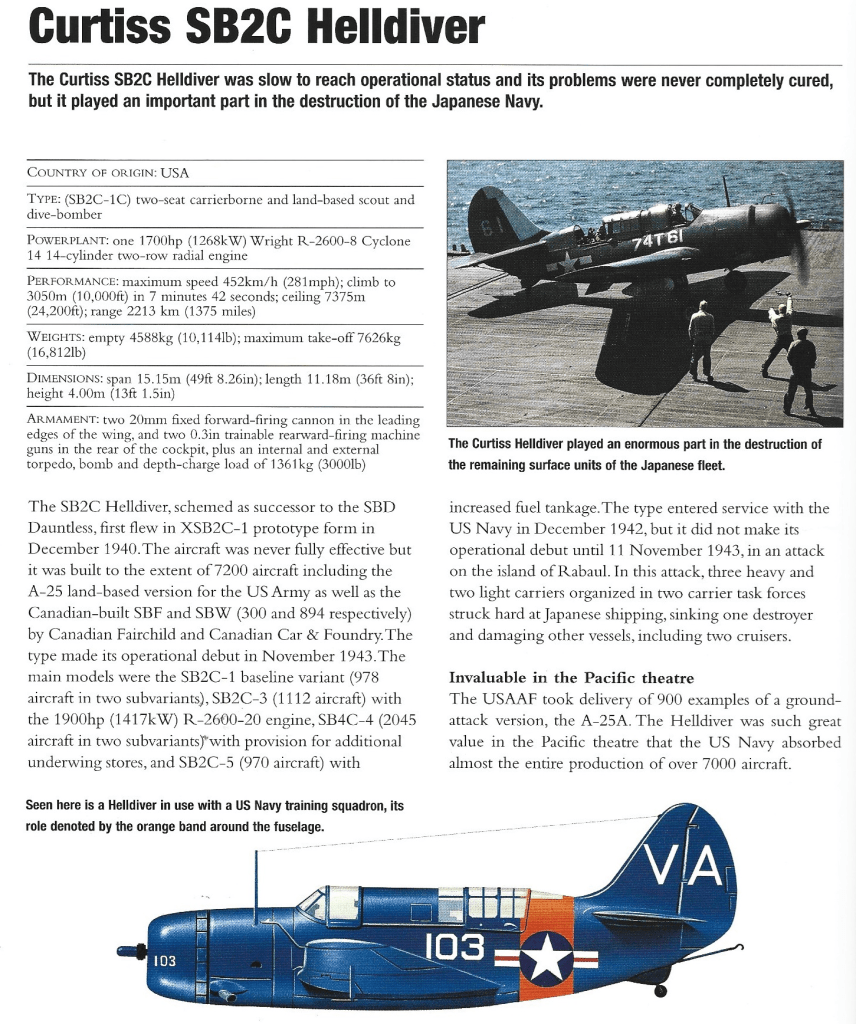
WWII plane salvaged from Lake Washington flies again after 80 years
The Curtiss SB2C-1a Helldiver, one of only three airworthy models left in the world, made its first public flight 19 July 2025 after undergoing an extensive restoration.

COLORADO SPRINGS, Colo. — A rare World War II Navy dive bomber that was stripped, burned and dumped in Lake Washington during the 1940s returned to the skies July 2025 after a decades-long journey from the lakebed to the air.
The Curtiss SB2C-1a Helldiver, one of only three airworthy models left in the world, made its first public flight July 19 after undergoing an extensive restoration at WestPac Restorations in Colorado Springs. The project was decades in the making — and began with two curious college students.
In 1984, 19-year-old Matt McCauley of Kirkland and his friend Jeff Hummel set out to locate rumored wrecks beneath Lake Washington. The pair discovered the Helldiver, which naval records show entered service on June 30, 1944, and was stationed briefly at Naval Air Station Whidbey Island before arriving at Naval Station Puget Sound — now Magnuson Park.
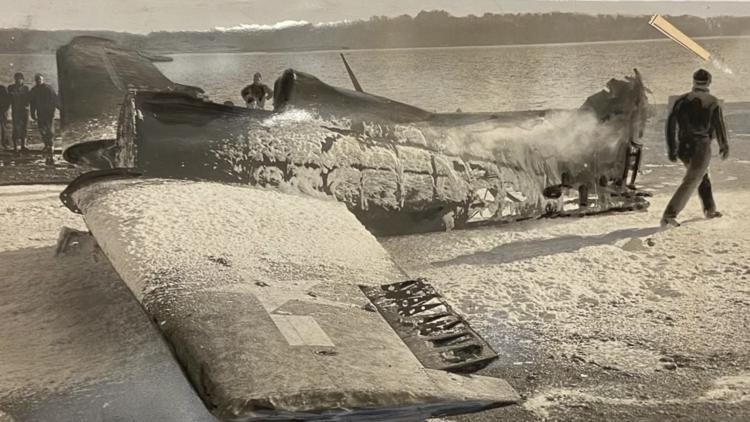
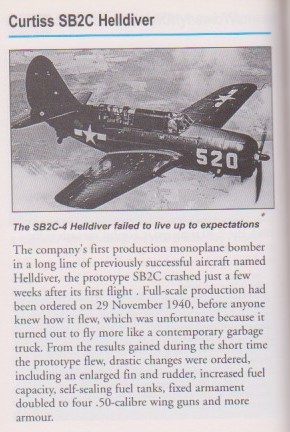
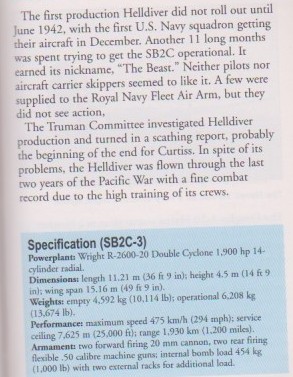
The aircraft was damaged in a hard landing in 1945 and deemed not worth repairing. Like many early -1a models, it was plagued by performance issues and quickly stricken from service. From there, the Navy repurposed the bomber as a fire training aid, dousing it in fuel and setting it ablaze for drills before eventually sinking it in 150 feet of water.
McCauley and Hummel raised the wreck on July 15, 1984, using floats to bring it to the surface. Though the plane was missing its engine, tail, and wings beyond the fold point, it marked a significant historical find.
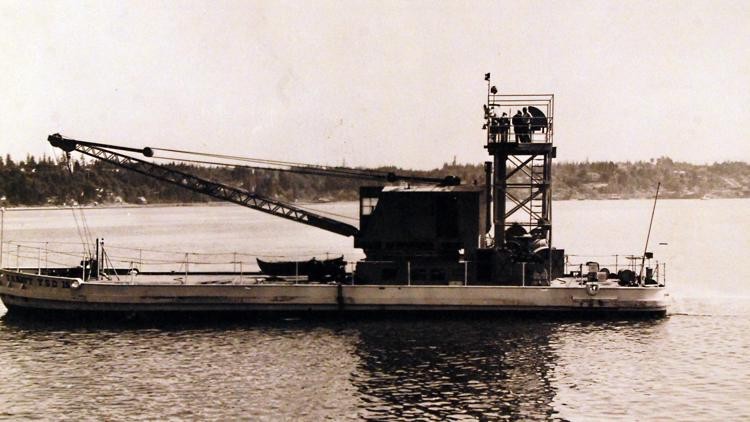
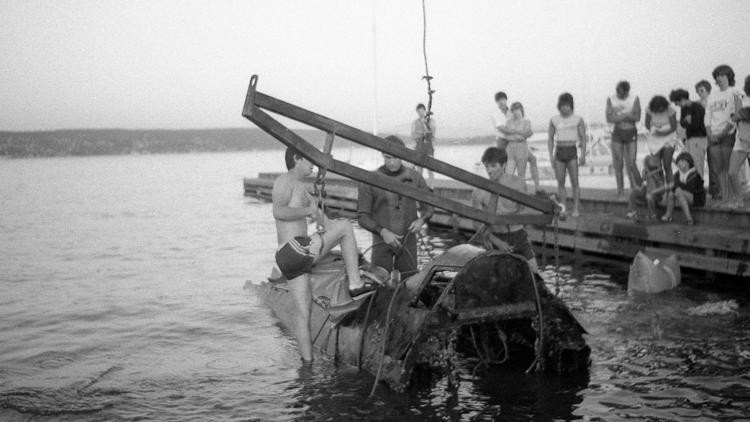
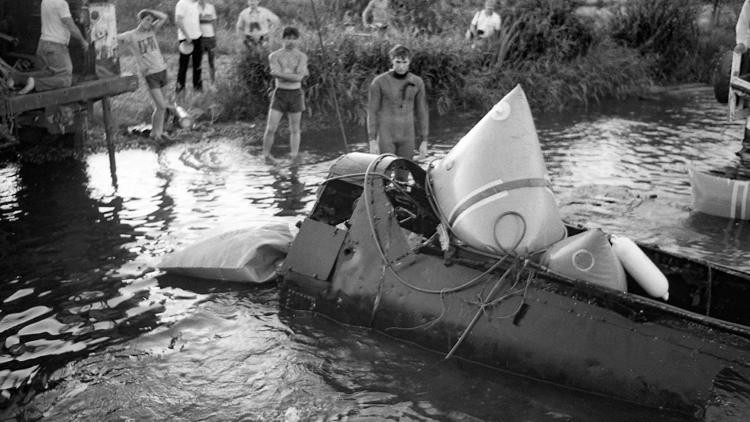
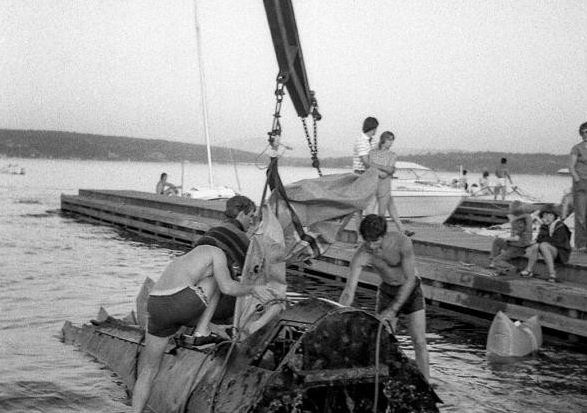
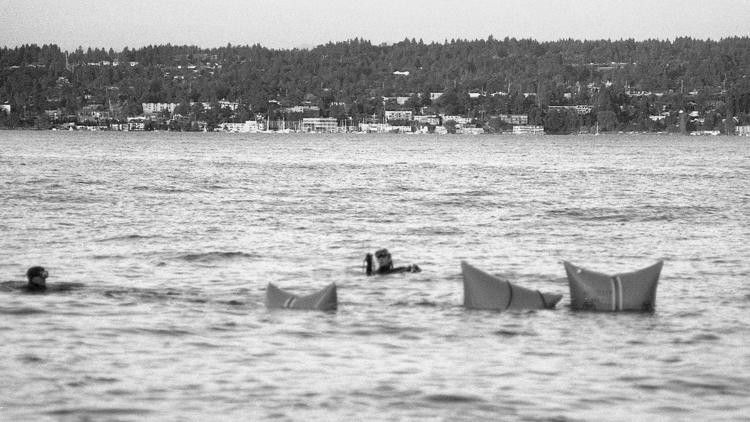
Depicted above is an FM-2 Wildcat that was salvaged in a fashion similar to the Lake Washington Helldiver.
The Navy briefly challenged the students’ ownership of the wreck, but McCauley and Hummel ultimately won the legal battle and kept the aircraft. A year later, they sold it to a collector, and over the next four decades, the Helldiver changed hands until landing at WestPac Restorations.
On Saturday, McCauley was invited to witness the restored aircraft fly for the first time in front of a crowd at the National Museum of World War II Aviation.
“I never thought I would see this happen,” he said as the engine fired up.
Of the 7,140 Helldivers built during the war, only a handful remain.
“Watching it actually fly in front of a crowd of delighted people who are still really interested in WWII aviation is just incredibly satisfying,” McCauley said.
The Helldiver is now on display at the museum in Colorado Springs.
 All Aero