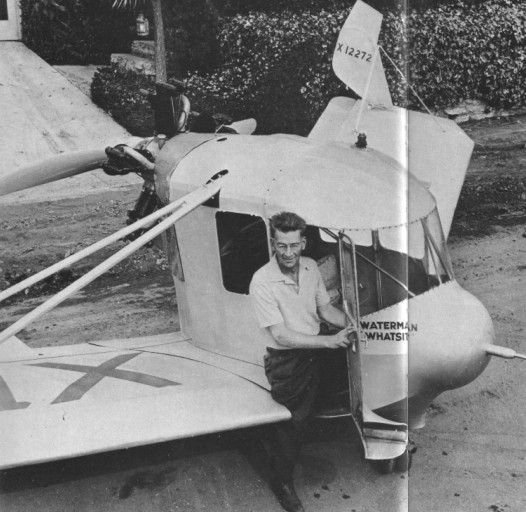
Waldo D. Waterman of Santa Monica, California, produced in 1934 design for a two-seat tailless monoplane as a simple private aircraft.
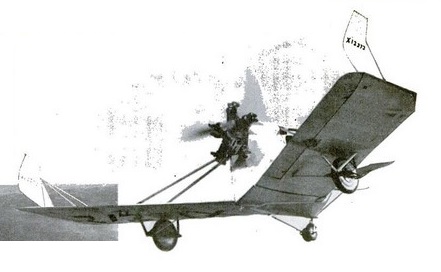
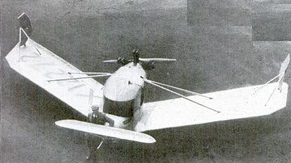
Waldo D. Waterman of Santa Monica, California, produced in 1931 a design for a two-seat tailless monoplane as a simple private aircraft. With a 15° swept-back conventional wing with tip rudders, mounting a fuselage nacelle; front elevator, a front boom featured a trim feature—two small machinists’ vises that could be slid to positions of advantage and then tightened.
With a tricycle gear with steerable nose wheel, this was the first airplane to be equipped with “elevon” control.
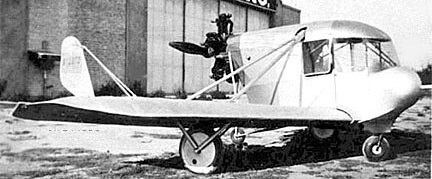
Waterman spent several days taxiing around the field, feeling out the plane’s characteristics, then finally tried a faster taxi down the runway, gradually advancing the throttle. On the threshold of take-off, the front wheel dropped into a gopher hole, the doors flew off their hinges, and the “Whatsit” flew at minimal altitude for about 30 feet before coming to a brutal halt. The first actual “flying wing” monoplane was rebuilt to enter a 1933 safety plane competition, winning one of the only two awards out of 30 entries.
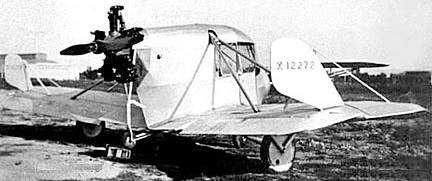
Powered by a 100hp Kinner K-5 pusher engine, the two place Whatsit, registered NX12272 became known as Arrowplane and led to the 1937 version.
 All Aero