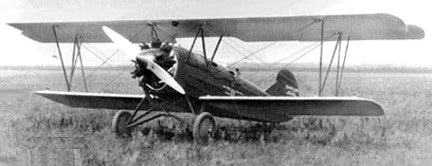
The original Travel Air Model A was engineered chiefly by Lloyd Stearman—with input from Travel Air co-founders Walter Beech, Clyde Cessna, and Bill Snook—largely as a metal-framed improvement of his immediately previous design of the wood-framed, metal-cowled Swallow New Swallow biplane, with elements of the best fighter aircraft of World War I, the metal-framed German Fokker D-VII. Most subsequent Travel Air biplanes were derived, directly or indirectly, from the original Model A.
The types shared a common structure of a conventional single-bay biplane with staggered wings braced by N-struts. The fuselage was of fabric-covered steel tube and included two open cockpits in tandem, the forward of which could carry two passengers side-by-side.
Like other aircraft in the Travel Air line, it was available with a variety of different, interchangeable wings, including a wing shorter and thinner than the rest known as the “Speedwing” designed, as the name suggests, for increased cruise speed.
The 1926 Model B was a Travel Air Model A fitted with a Wright J-6 piston engine and divided axle.A three – four seat open cockpit biplane, it became the model 2000. The B-2000 of 1927 was the 2000 redesignated.
Production figures of the 1925 Model A were lumped together with B and subsequent 2000 models and the number built is undetermined.
The 1926 BH N11509 was the same as B, but with 150hp/180hp Hisso A/E engine.
The 1926 BW was the same as the Model B but with a 200hp Wright J-4. The Model BW was the winner of the 1926 Ford Reliability Tour piloted by Walter Beech. The BW became the CW-4000 series.
Model A
Engine: Curtiss OX-5, 90hp
Seats: 3
 All Aero