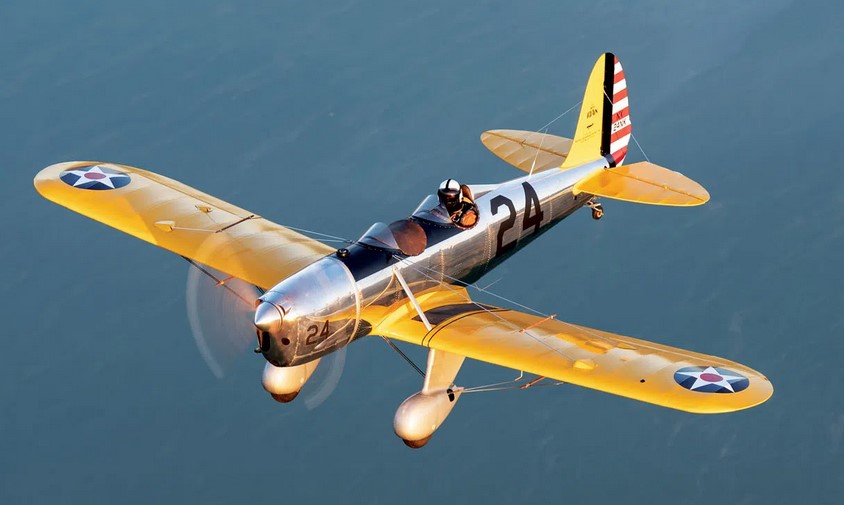
Nick Pfannenstiel, founder of Timber Tiger Aircraft, in February 2015, they decided to move forward with the Ryan project, a major life change. Nick acquired a set of original blueprints for the ST and started working backwards from the drawings. His goal was to maintain the Ryan’s appearance while incorporating technical improvements. Trimming the aircraft’s size by just 5% provided the needed dimensions to work with numerous options and keep things manageable. The scaled-down Ryan ST was designated the ST-L.
While the ST-L utilizes a semimonocoque fuselage like the original, the internal structure was redesigned from the ground up. There is a central steel bulkhead, which acts as the keystone for all of the aerodynamic stresses. This is heat treated after welding for strength. Steel wing stubs and landing gear complete the central attachments. Otherwise, the fuselage is composed of aluminum bulkheads and longerons. In order to preserve the Ryan’s pleasing lines, all bulkheads are positioned in the same locations as the originals. Other aspects of the airframe, including the tail feathers, wings and landing gear, also flow together nicely and fit the 95% scale replica perfectly.
Although it is 5% smaller than the ST, the ST-L actually has more room in the cockpit. “To create more space, we moved the rudder pedals to either side of the front seat rather than keeping them behind the seat like the original,” explained Nick. “So far, people up to 6 feet 5 have fit comfortably.”
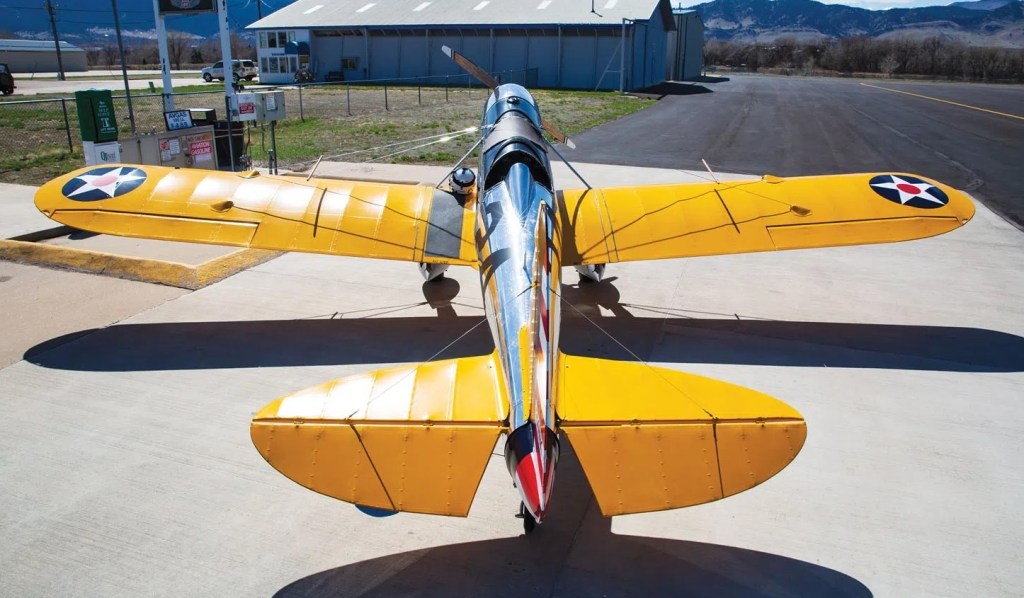
For the wings, an aluminum spar was used in place of the wood spar found on the ST. The airfoil was changed from the original NACA 2412 to a Riblett GA30U-612, like that of the Kitfox. The ribs are a bonded aluminum honeycomb, which provides added strength while saving weight, and they are coated with an epoxy primer for corrosion protection. The wings are covered with Superflite, and the paint is from Stewart Systems. For simplicity, the drag/anti-drag wires were switched to a drag truss.
The Ryan ST has a reputation for being squirrelly on landings, mostly because of the leading-link landing gear. This was replaced with a torque-link landing gear, making ground handling much easier.
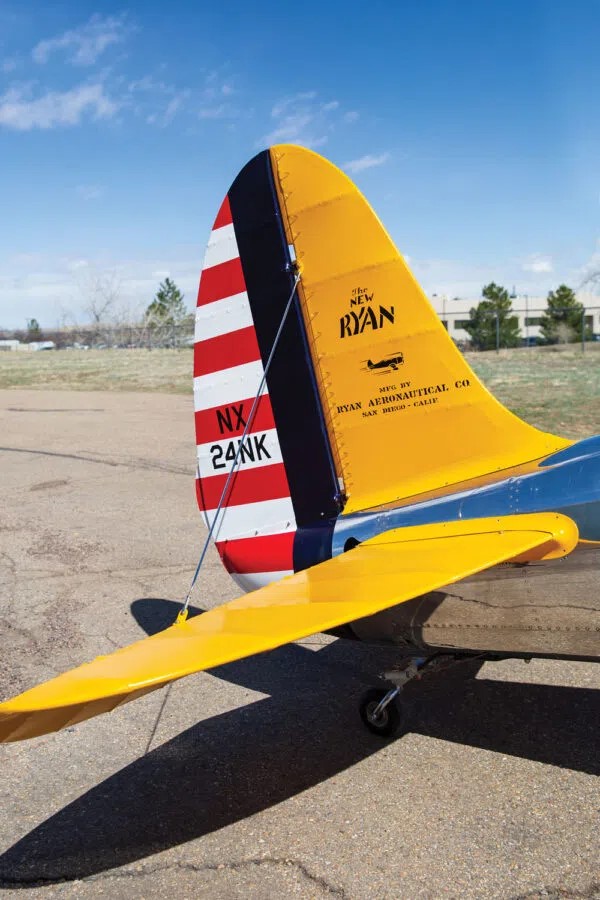
Because the ST-L was specifically designed to look as much like a real ST as possible, small details can make a big difference. Giving the illusion that a Menasco Pirate engine is lurking under the cowl is a four-pipe exhaust stack, although only two of the pipes actually do the job. Looking at the landing gear fairings, you can’t help but notice the mock rivets that help preserve the appearance of the original spats.
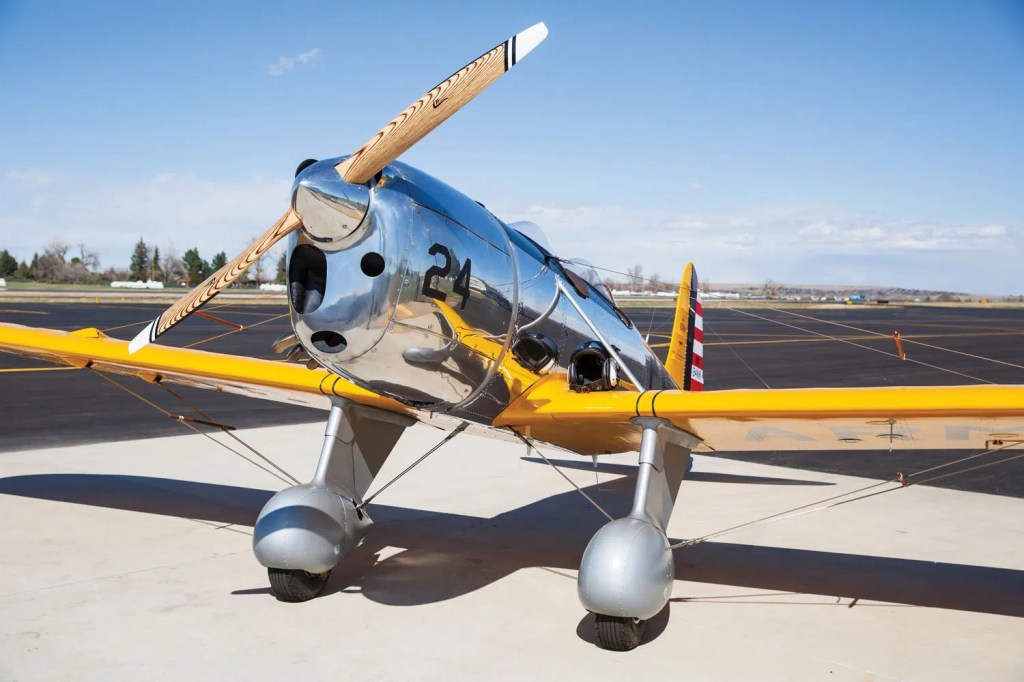
The handcrafted cow is formed by David and Maxwell Wenglarz at Wings Metal Work in San Pierre, Indiana.
At the end of construction, the ST-L came in 200 pounds lighter than the original ST.
The decision was made to go with a 100-hp Rotax 912 ULS, which fit perfectly under the cowl and has performed wonderfully in the prototype.
The ST-L kit is set up to create a natural progression where building one component naturally flows into the next. Starting with fuselage bulkhead Number 2, for example, the steel components are assembled first and everything else is added to this core. Structures and skins are predrilled where possible, but the tapered skins preclude predrilling all of the pieces. The builder will need to make a jig to build the fuselage. However, this is not required with the fully riveted quickbuild option.
Aluminum components are riveted into place using either solid or pulled rivets. For aesthetic reasons solid rivets are encouraged. The tail is composed of ribs attached to tubing, just like the original ST.
The wings can be constructed on a flat table and act as their own jig. Control cables have been replaced by push-pull tubes, and changes to the ST-L structure make wing rigging significantly easier than it was with the original ST. Other wing modifications include the change in airfoil and landing gear geometry, the addition of hydraulic toe brakes, simplification of the landing gear shock absorbers and using wire attachment fittings at the lower landing gear.
The finishing kit includes the handcrafted metal cowl to maintain the lines of the ST, as well as the firewall ring. The wheel pants and fairings for the gear legs, wing roots, stabilizer, rudder, gas cap and windshield are all fiberglass but can be made of aluminum if desired.
Build time is estimated at around 1500 hours for the standard kit, with significant time savings if the quickbuild fuselage option is selected. As of 2021, the estimated average cost to build is $75,000 to $90,000, but the price will vary from plane to plane depending on the engine and other options.
Timber Tiger ST-L
Powerplant: Rotax 912 ULS, 100 hp
Propeller: Performance Propeller, wood
Wingspan: 28.5 ft
Clipped wing option (6G limit): 1160 lb
Maximum gross weight: 1420 lb (1320 lb LSA)
Typical empty weight: 815 lb
Typical useful load: 605 lb (505 lb LSA)
Fuel capacity: 17.2 gal
Full-fuel payload: 502 lb (402 lb LSA)
Cruise speed: 80–113 kt
Climb rate (solo at 8000 ft): 800 fpm
Stall speed: 40 kt
Landing speed: 40–45 kt
Seating capacity: 2
Kit price: $42,700
Estimated completed price: $75,000–$90,000
Estimated build time: 1500 hr
 All Aero