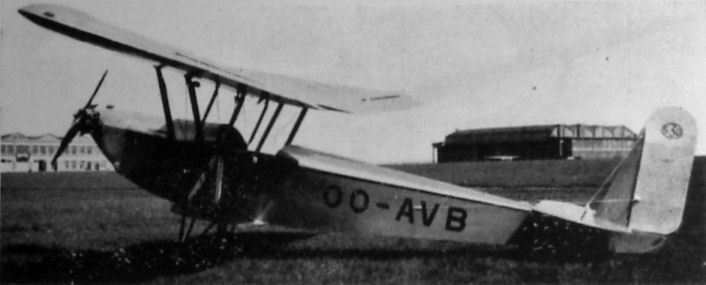
In 1937, SABCA once again tried to enter the light tourism and sport aviation market. The design of the S 30 was to be entirely Belgian.
Entrusted the study to Robert Servais, the company’s chief engineer, he chose a small side-by-side two-seater parasol monoplane of mixed construction predominantly in wood. The motor support and the mast are in steel tubes and duralumin.
SABCA chose the new 40 hp Sarolea Aiglon engine. Unfortunately, it is not yet complete. After several unsuccessful tests carried out in 1937, it was abandoned in favour of a Czech engine: the Praga B.2.
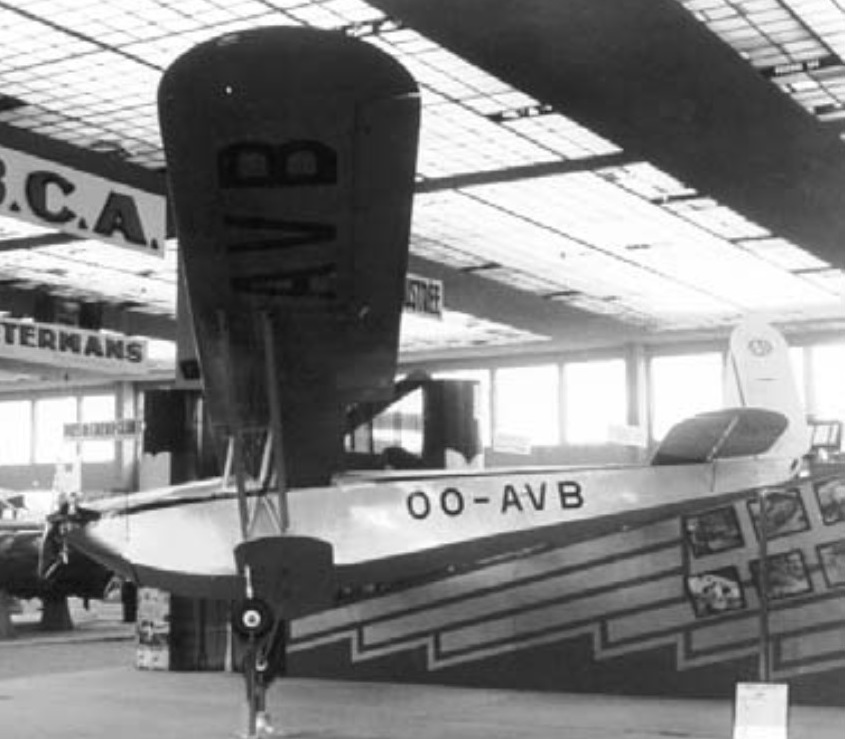
It made its first public appearance at the first Brussels International Air Show (1937) where it stood out for its “flawless” finish.
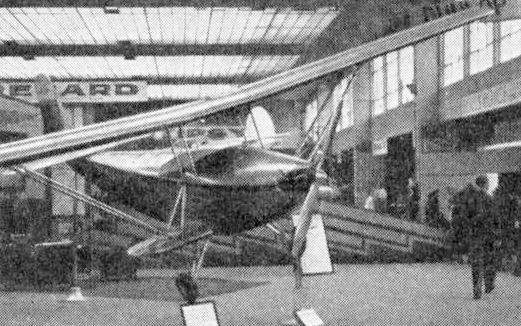
On February 5, 1938 the S 30 made its first flight in the hands of Charles Wouters, chief test pilot at SABCA.
The ownership of the S 30 is initially joint between the SABCA and Mr. Albert Hellemans, director of the review “The Belgian aviation”. They registered it OO-AVB on February 5, 1938, but very quickly, on March 29, 1938, the SABCA notified the Aviation Administration that it was registered exclusively under its name.
Its selling price, at the first Brussels air show, was announced at 48,000 BF.
The troubled period of 1938-1939 then the war destroyed all hope of mass production.
The registration was cancelled by SABCA on February 26, 1946.
SABCA S.30
Engine: Praga B2, 40 hp
Wingspan: 10.90 m
Wing area: 15.50 sq.m
Length: 7.60 m
Height: 2.76 m
MTOW: 450 kg
Maximum speed: 115 km / h
Cruising speed: 95 km / h
Endurance: 3 hr 30 min
Seats: 2
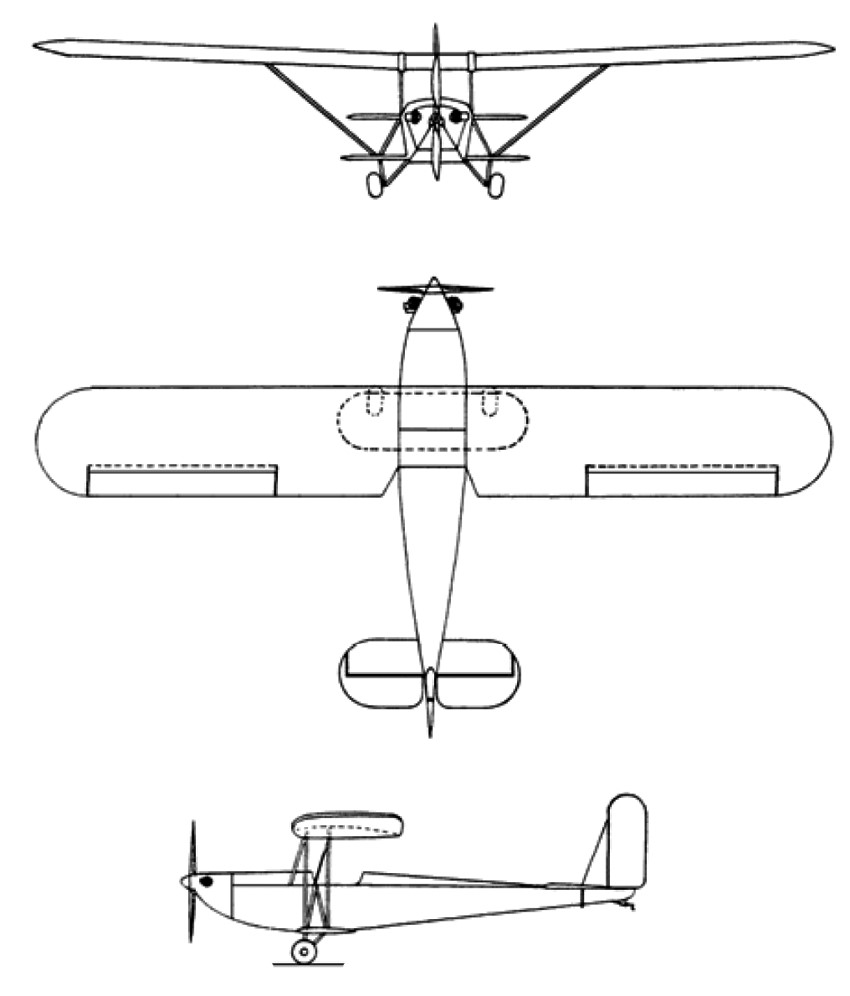
 All Aero