
The Pik-27 design was begun by DI Aki Suokas with the objective of operating costs at a reasonable level, but not at the expense of safety. The design was to require minimal maintenance and only the necessary systems were included.
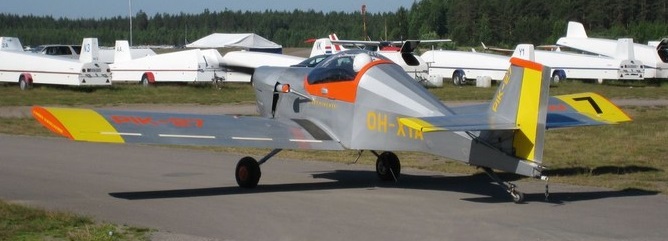
The prototype OH-XYA bears the excess weight of a prototype and it was anticipated the next would be at least 30-40 pounds lighter. The prototype weight includes a 70 m tow rope with a built-in reel.
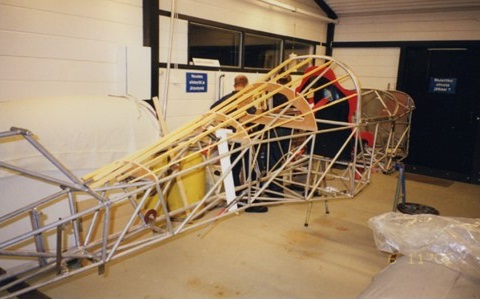
The PIK-27 low-wing monoplane has GRP wing construction and a fabric-covered SAF2205 steel-tube fuselage. The material has a very high elongation at break (25%), which improves the chances of settlement in the event of an accident. Another plan was for a 4130 fuselage.
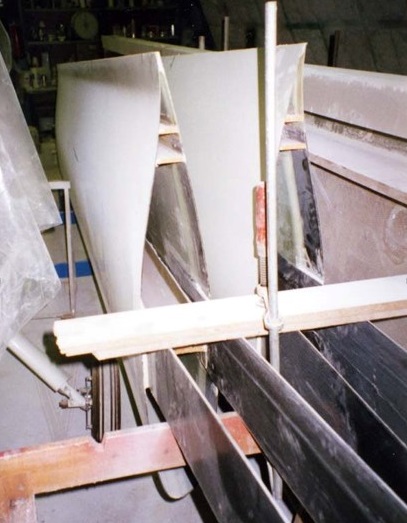
The wings were traditional glider technology of glass reinforced PVC foam laminate surfaces, with fuel tanks in the wing.
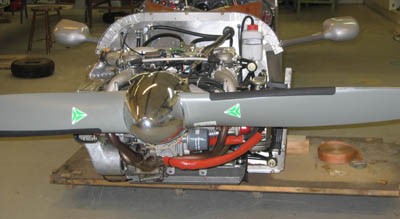
The Windcraft Oy built prototype (OH-XYA) was first flown December 2006, powered by a 115 hp Rotax 914. The Rotax 914 is a supercharged engine, meaning it does not lose power as density increases. The Rotax 914 maintains full power for flight level 150.
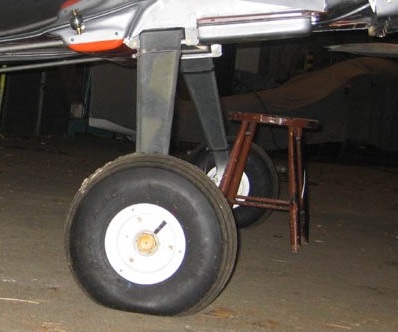
The undercarriage and brakes are the same style as the Cessna 172. The landing gear is quite high for a large propeller optimized for low speeds. The propeller has a diameter of 1.95 meters.
The Pik-27 was offered as kit and fits the US LSA definition (FAR CR 1.1). The wings and tail have to be molded. Wings can be joined by the builder if the transportation of a 9 m long package is difficult. The frame could not be deliver welded.
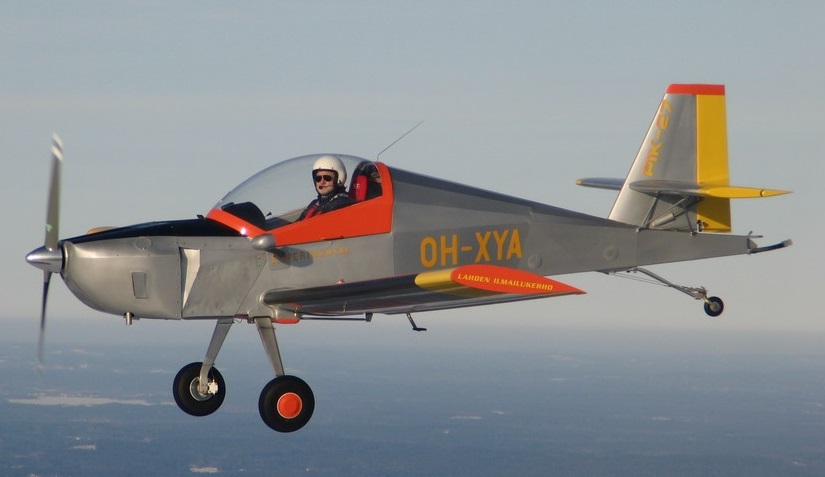
Pik-27 prototype
Engine: Rotax 914
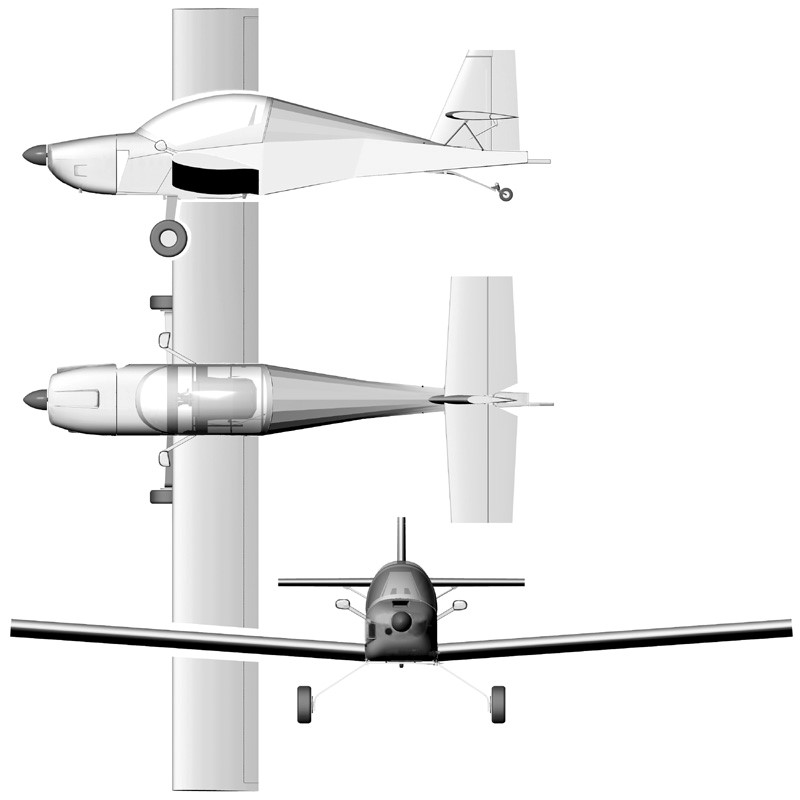
Span: 9.1 m / 29.8 ft
Wing area: 9.0 m² / 96.9 sqft
Wing profile: LS (1) -0417 mod
Length: 6,125 m / 20.1 ft
Height: 2.92 m / 9.6 ft
Empty weight: 410 kg / 904 lbs
Maximum take-off weight: 595 kg / 1312 lbs
Fuel capacity: 90 liters / 24 USg
Stabilizer area: 2.24 m² / 24.1 sqft
VNE: 270 kph / 146 kts
VA: 198 kph / 107 kts
VS: 81 kph / 44 kts
Loading: +4.7 g / -2 g
Maximum sailplane tow: 850 kg / 1874 lbs
 All Aero