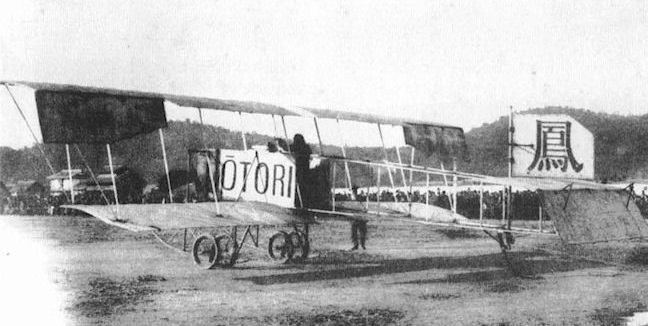
In the autumn of 1911, Narahara’s group was joined by Shuhei Iwamoto, later a professor of Tokyo University, and Kiyoshi Shiga, BSc. By March 1912 they had created the Narahara No.4 Aeroplane with the help of Saken Kawabe, Otojiro Itoh and Ginjiro Goto, themselves to become notable in aviation. The aeroplane was built at the Orient Aeroplane Company (Toyo Hikoki Shokai), having its office in Kyobashi, Tokyo. The factory was then located at Fukagawa (near or at Susaki Airfield) and final assembly was made at Tokorozawa where it was to be flown. It received the name of Ohtori-go, after a champion sumo-wrestler, Ohtori, at the request of the sponsor who supported the project.
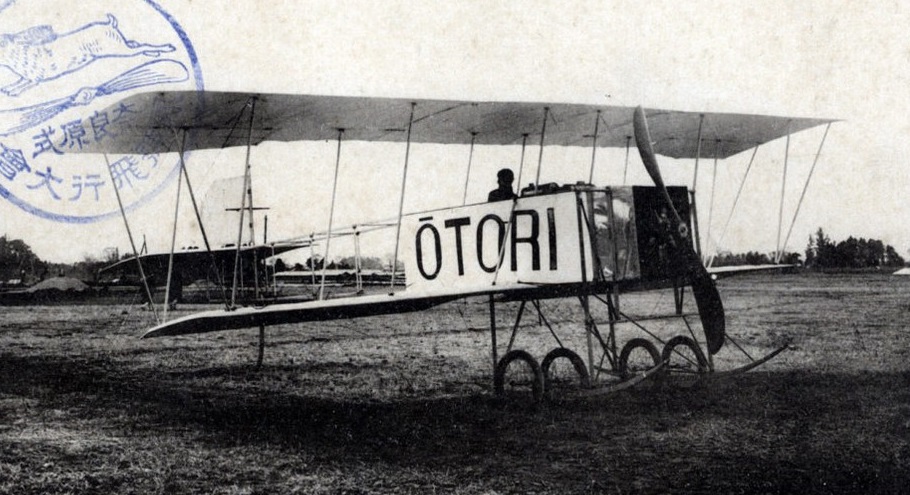
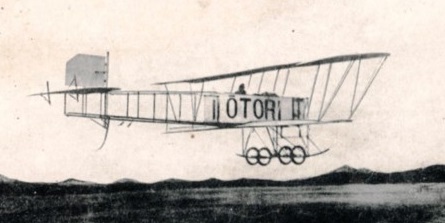
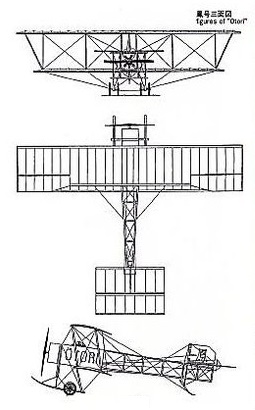
A single-engine tractor training biplane with wooden structure with fabric covering. The pupil and instructor were in an open cockpit.
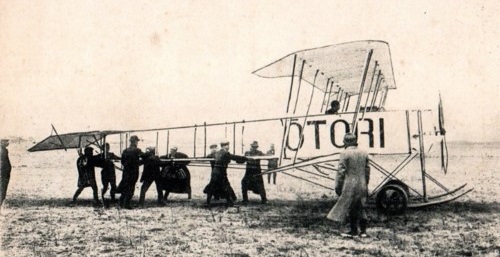
The aeroplane performed well and was taken on exhibition tours, with flights at major cities throughout Japan to demonstrate what was referred to as their ‘Japanese-made civil aeroplane’. Since there were no airfields in Japan at this time, flights were made from race tracks or military parade grounds of such relatively small size that landings and take offs were very near the spectators. During the first of these exhibition flights on 13 April, 1912, at Kawasaki Race Track, Kanagawa Prefecture, a failing engine caused the aeroplane to land short, allowing a wingtip to strike a school boy, breaking his arm.
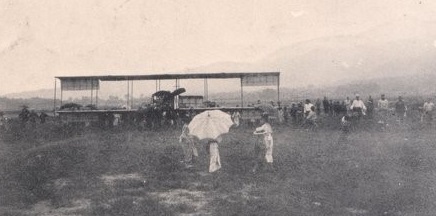
The aeroplane was again demonstrated on 11 and 12 May for His Highness the Crown Prince (later Emperor Taisho) and his three sons (one to later become Emperor Showa [Hirohito]) along with Field Marshal Aritomo Yamagata and many other high-ranking officers at the Aoyama Military Parade Grounds. These demonstrations brought Narahara an award by the Imperial House, the first distinction given to someone involved in Japanese civil aviation.
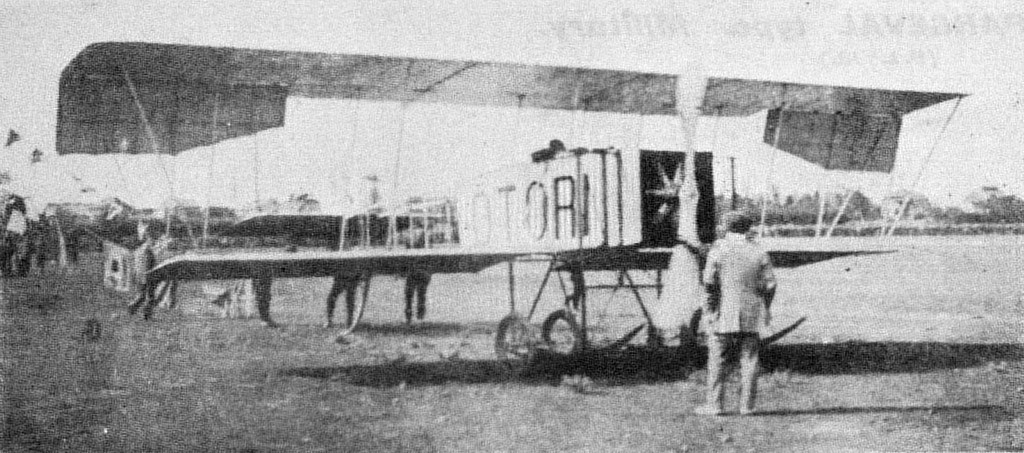
The last exhibition flight by the Ohtori No.4 was in Seoul, Korea, on 3 and 4 April, 1913.
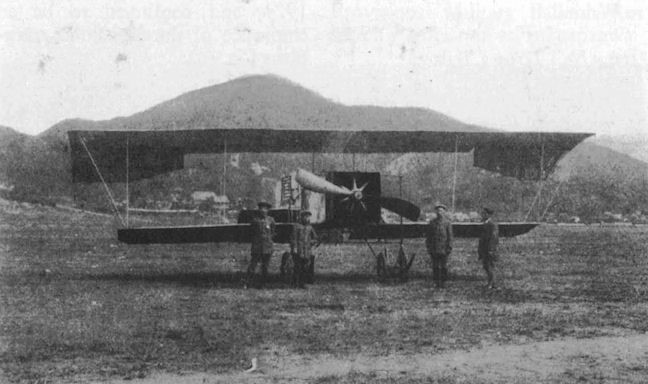
Engine: 50hp Gnome
Propeller: two-bladed wooden
Span, upper: 11.40m (37ft 5in)
Span, lower: 9.30m (30ft 6in)
Wing area: 39sq m (419.8sq ft)
Length: 7m (22ft 11.5in)
Height: 2.80m (9ft 2.25in)
Empty weight 470kg (1,036lb)
Maximum speed 38kt (44mph)
 All Aero