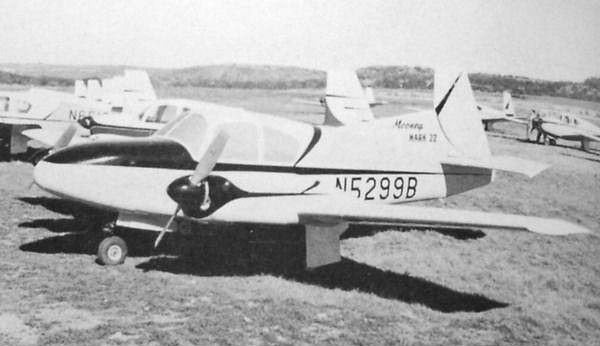
The long hoped for Mooney light twin was permanently laid to rest by the appearance of the prototype Mark 22 Mooney Mustang, a five seat pressurized airplane powered by a single 310 hp turbocharged Lycoming. The concept of a sophisticated high altitude airplane that could outperform most twins on the market at a fraction of the price was radical, and the Mustang project seemed destined to drain a disproportionate share of the company’s time and resources.
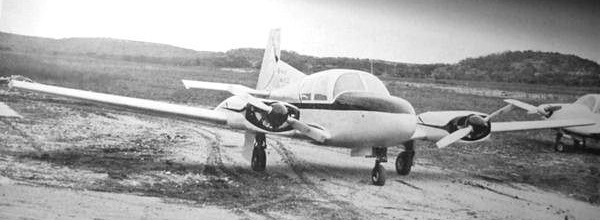
The prototype, which used the fuselage of a Mooney Mk.20 with a new wing and dorsal fin, first flew in September 1964, and Mooney hoped to be building saleable airplanes by mid 1965. Instead, the type certificate wasn’t issued until September 1966, and the first production airplane wasn’t delivered until March of the following year.

In the meantime, Mooney had been taking firm orders at the unrealistically low price of $29,900, while the actual production costs rose until the last of the 30 or so Mustangs built rolled off the assembly line with a price tag of over $46,000. High costs combined with less than advertised performance not to mention the less tangible but equally important factor of momentum put a loser’s stigma on the airplane that it would never completely shake.
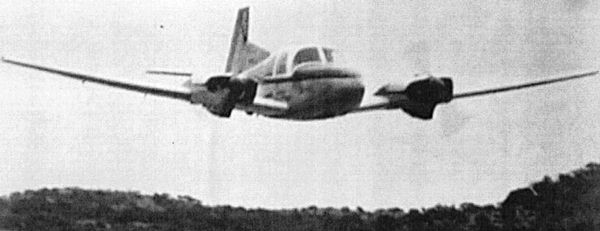
When Ralph Harmon arrived to take over as chief engineer at the old Mooney Company, he scrapped the twin and used the Mark 22 designation for the Mustang, a pressurised single.
 All Aero