In 1934 Grojovski began experiments installing conventional weapons used by ground units on bombers. Initially as part of the experiments, he fitted a Tupolev TB-3 bomber with a 76mm regimental gun. The gun was installed under the fuselage, in a structure 600 mm from the bottom of the fuselage. The tests were carried out between December 15 and 18, 1934, first with shots from the ground and then during the flight. As a result of these tests, it was declared that firing with 76mm regimental guns from aircraft is possible.
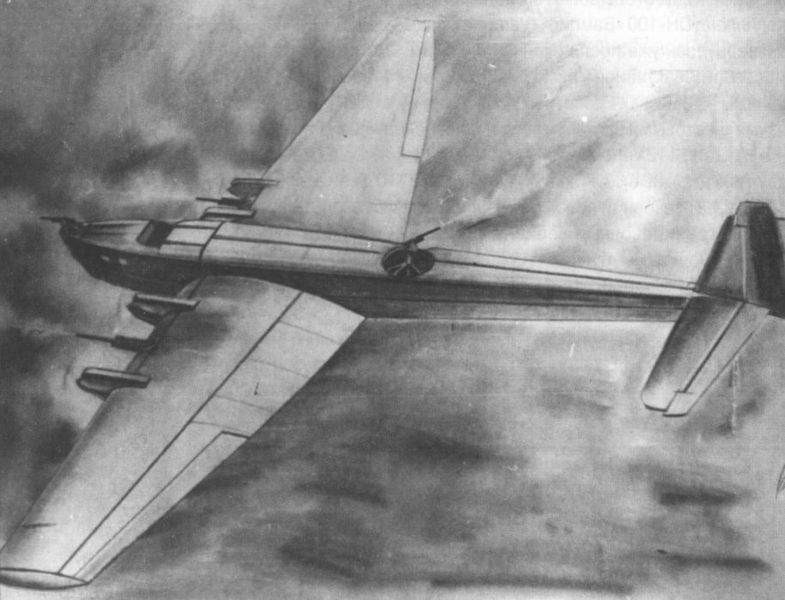
After these results Grojovski began the development of a version with more powerful weapons, again on a TB-3 bomber. This version was called “Letayuchaya Baterieya” or “Flying Drums” and received the designation G-52 (Russian: Гроховский Г-52 “Летающая Батарея”) in the institute’s consecutive year.
The G-52 “Letayuchaya Baterieya” heavy attack aircraft was submitted for state tests in December 1935. It was a Tupolev TB-3 bomber with M-17 engines and armed with cannons.
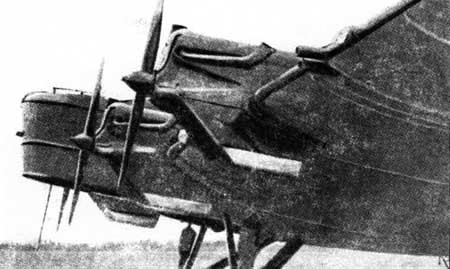
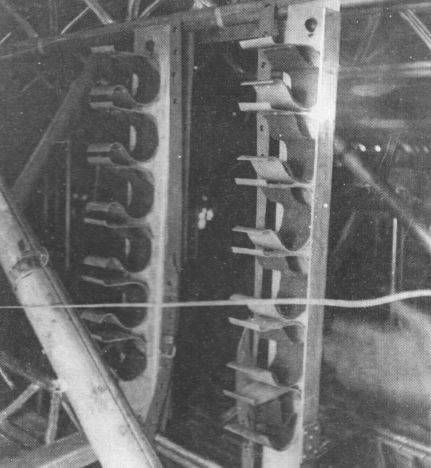
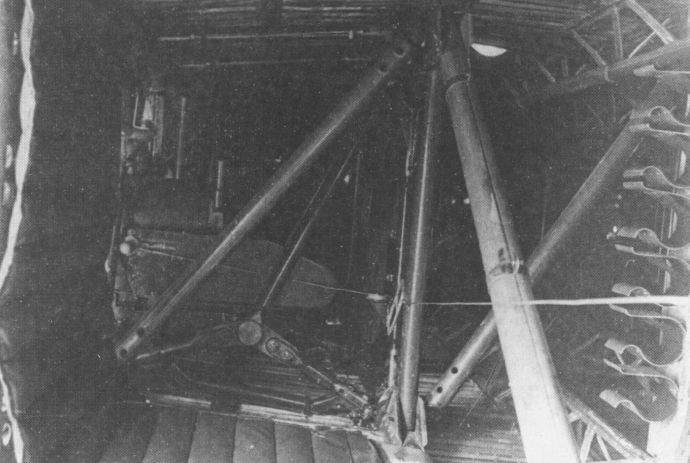
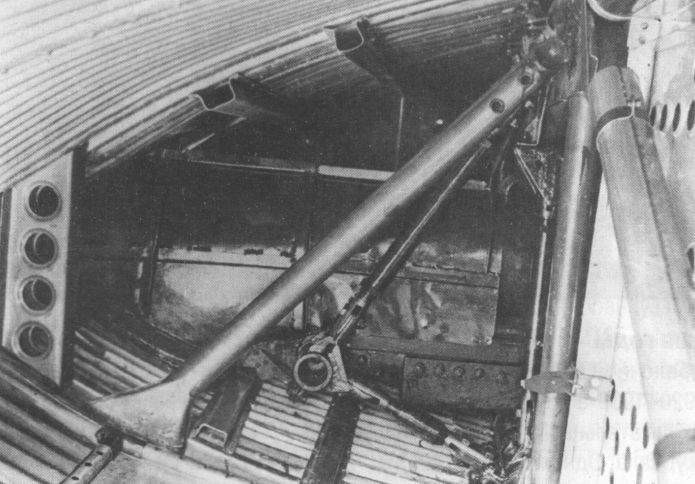
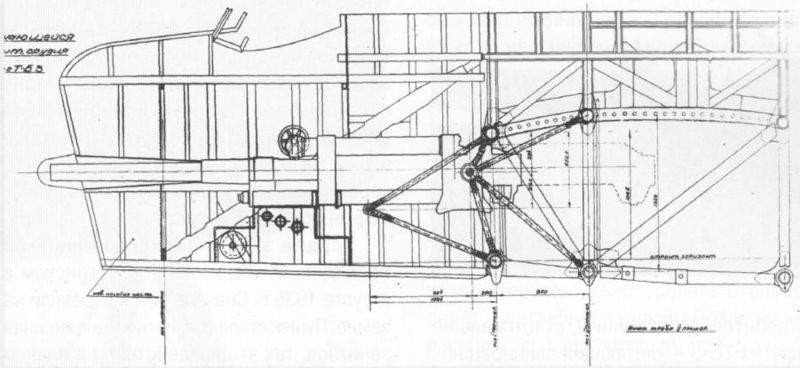
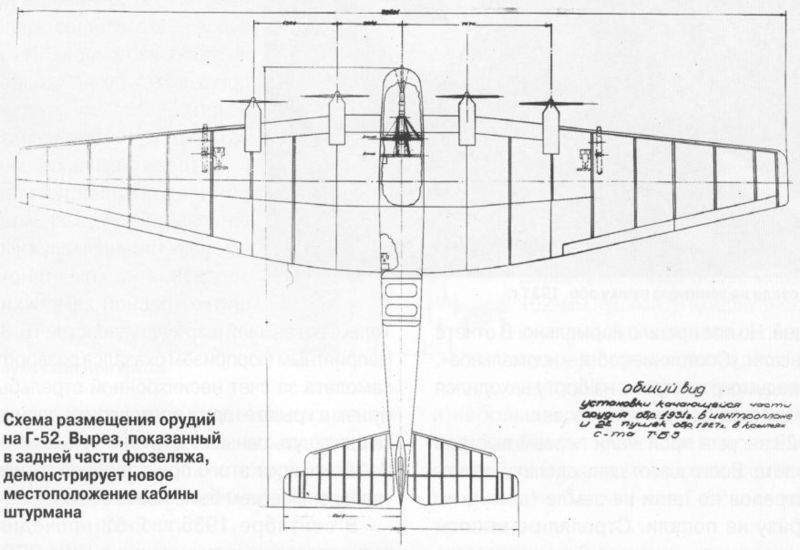
After reviewing several installation variants, it was agreed to install a 76 mm anti-aircraft gun (1931 model in the nose.). The developers were forced to shorten the nose, which forced the elimination of the navigator’s position in the bow. The long tube of the gun was located between the pilots’ stations, protruding by about 250 mm at the bow of the aircraft. The body of the cannon was fixed to the upper and lower partitions of the spars of the center plane, by means of a system of adjustable rods. From the nose and up to the pilots’ position, the barrel was covered with a tube to prevent the entry of gunpowder gases into the cockpit. The reloading of this cannon for firing was done manually. To achieve this, the gun server position was located in the fuselage, with a small seat and some shelves for the projectiles.
In the wing consoles two 76 mm field guns (1927 model). To install the guns on the TB-3 bomber , the gun carriage with the wheels was eliminated, maintaining the recoil compensation system. The server for each gun sat during the flight on a mattress attached to the wing structure.
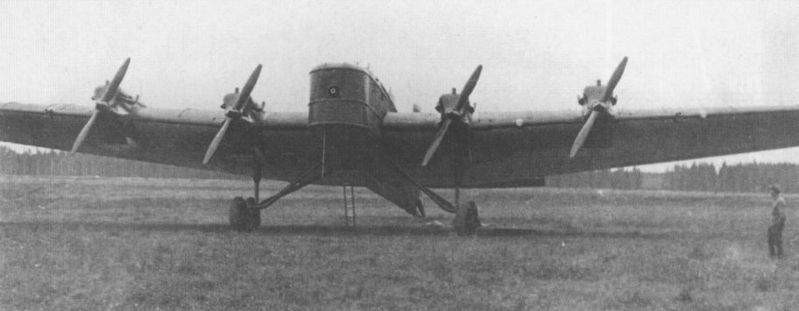
The main task for which the G-52 was conceived was fire support to landing troops. The range of the artillery salvoes was 18 km and the location of the target was done during the turn. To achieve some aim, a standard collimator was located in front of the ship’s commander’s post. Each shell had a weight of 6.5 kg.
According to the assertions of its builders, the three cannons of the “Letayuchaya Baterieya” could fire up to 27 shots per minute. This really does not seem credible due to the lack of automatic recharging systems at the time.
The order to fire was obtained by means of light indicators. The ship’s commander had a control board with switches and indicator lamps.
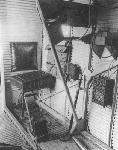
When the commander connected the switch, the piece received the instruction to prepare to fire. When loading the projectile, the server of the piece pressed his switch to indicate that he was ready. After taking the plane to the target, the commander pressed a button and a red light illuminated in the room, indicating the order to fire. In case of need, the wing guns could be fired using a remote control system. For this purpose, cables were located from the cockpit to the wing locations.
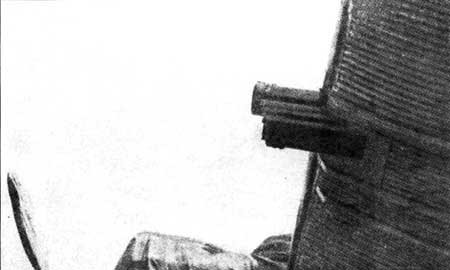
The navigator, originally located in the bow of the bomber, in this version came to occupy a position on the left side of the rear part of the fuselage, just above the wing trailing edge area.
This system in general must have turned out to be not very functional, first of all due to the need to approach the target without an aid system for the pilots, maintaining the course during the entire approach despite the interference caused by the enemy fighters and the anti-aircraft systems. On the other hand, the lack of aiming systems guaranteed a very low level of success. During the tests it was also found that the smoke from the cannon shot leaves the pilots practically without visibility.
Grojovski’s experiments in this direction were simply abandoned.

 All Aero