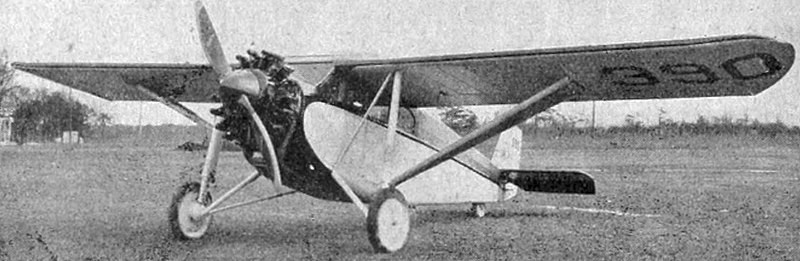
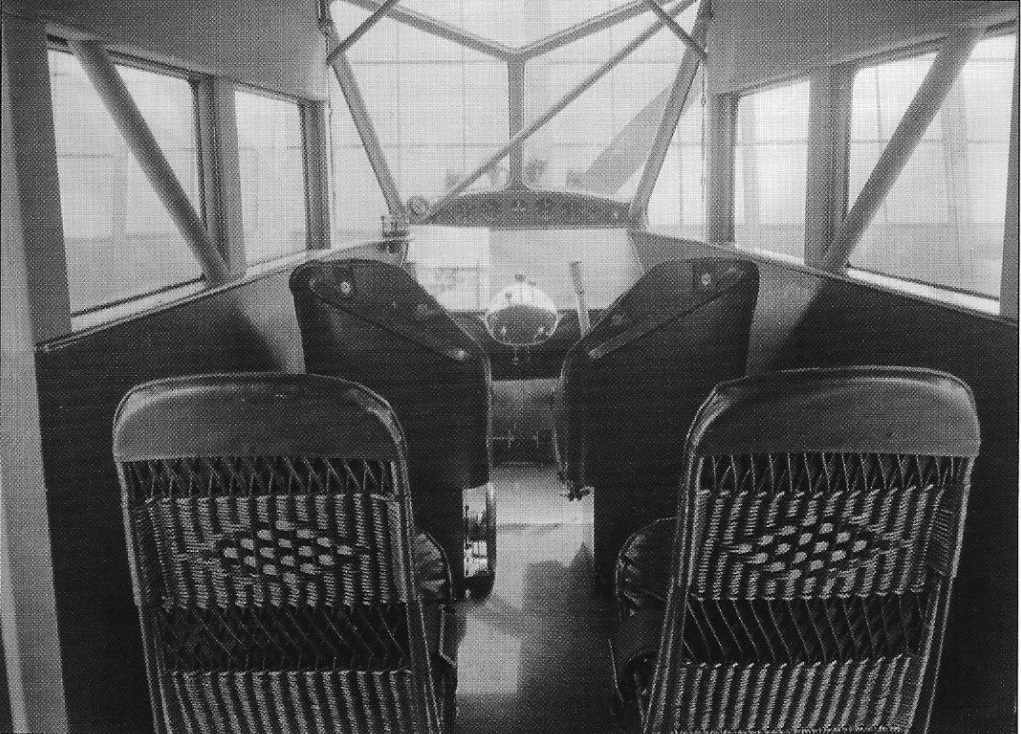
The Fairchild Model 41 Foursome was a light aircraft developed in the United States in the late 1920s and produced as the Model 42 Foursome. It was a conventional high-wing, strut-braced monoplane with fixed tailwheel undercarriage. The pilot and three passengers were seated within a fully enclosed cabin, and the aircraft generally resembled a scaled-down version of Fairchild’s successful FC-2 design.
Two prototypes were built as the Model 41 and Model 41A leading to the Model 42 production version which was built in a small series. This production version differed from the prototypes in having a redesigned, strut-braced empennage in place of the wire-braced unit of the earlier aircraft, and a more powerful version of the Wright Whirlwind powerplant.
Variants:
Model 41 Foursome
First prototype, one built
Engine: 220 hp (160 kW) Wright J-5
Seats: 4
Model 41A Foursome
Second prototype, one built
Engine: 300 hp (220 kW) Wright J-5
Seats: 4
Model 42 Foursome
Production, six built and two converted from the 41 and 41A.
Engine: 330 hp (250 kW) Wright J-6
Wingspan: 45 ft 6 in (13.86 m)
Length: 30 ft 6 in (9.30 m)
Maximum speed: 130 mph (210 km/h, 110 kn)
Range: 700 mi (1,130 km, 610 nmi)
Seats: 4

 All Aero