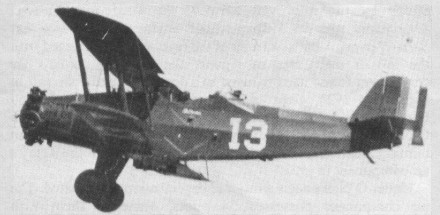
In 1926 as the principal combat element of Mexican Army Aviation, eight Douglas O 2C observation aircraft were procured from the USA these were to be supplemented by nine O 2Ms and three O¬2M 2s.
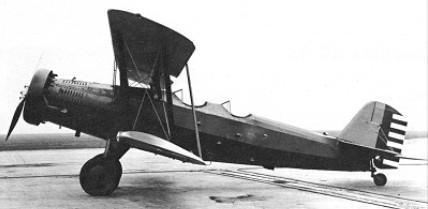
The excellent flight characteristics of the Douglas O-2 family led to the conversion of 40 O-2Ks in 1930 as basic trainers for the US Army. Dual controls were installed and armament was deleted, the modified aircraft then being designated Douglas BT-1. The only O-32 to be built was given dual controls, also in 1930, and became designated BT-2. Thirty O-32As were modified similarly to the O-2Ks; used by US Army and National Guard units for basic training these were redesignated BT-2A. Some 146 BT-2B aircraft were built as such, the first appearing in 1931. Powered by the 336kW Pratt & Whitney R-1340-11 radial, they survived many years in basic training units.
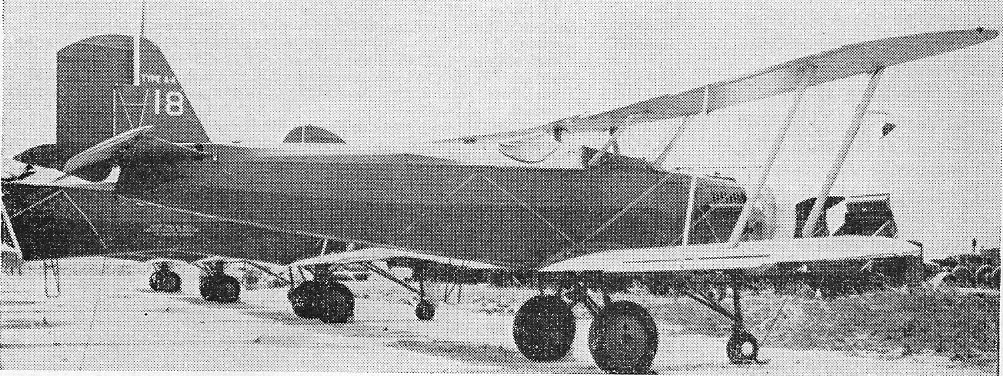
BT-2B was converted in 1940 to Type A-4 target aircraft by installation of radio equipment and conversion to nosewheel undercarriage.
Douglas BT-2B
Engine: 1 x Pratt & Whitney R-1340-11 radial, 336kW
Max take-off weight: 1845 kg / 4068 lb
Empty weight: 1324 kg / 2919 lb
Wingspan: 12.19 m / 39 ft 12 in
Length: 9.5 m / 31 ft 2 in
Height: 3.3 m / 10 ft 10 in
Wing area: 33.63 sq.m / 361.99 sq ft
Max. speed: 216 km/h / 134 mph
Cruise speed: 188 km/h / 117 mph
Ceiling: 5850 m / 19200 ft
Range: 515 km / 320 miles
O-2C
O-2M
O-2M-2
 All Aero