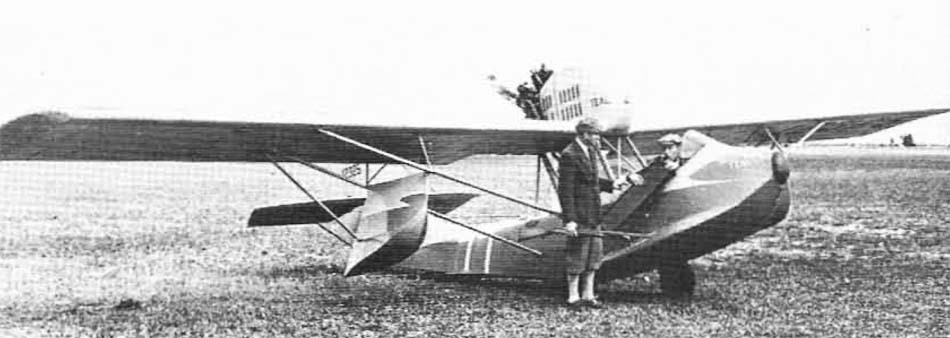
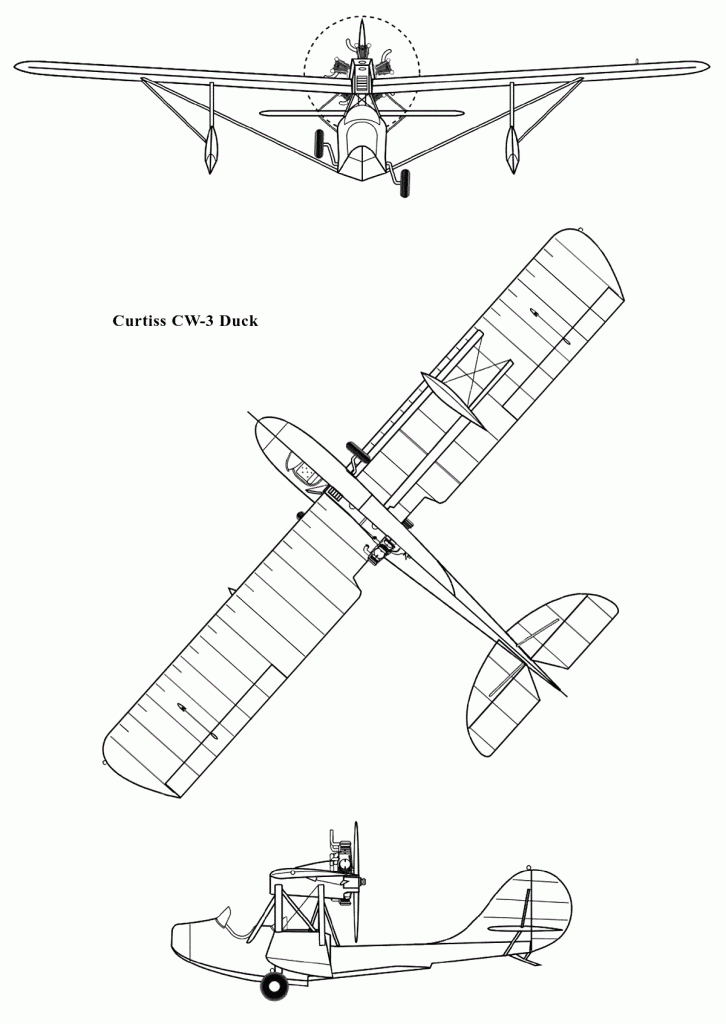
The Curtiss-Wright CW-3 Duckling (sometimes called the Teal) was an American two-seat amphibian flying-boat developed by Curtiss-Wright as a modification of the CW-1 Junior. The new aircraft was distinguished by a double cabin, where the pilot and passenger sat side by side, and the new fuselage. The fuselage had a plywood V-shaped underside added and the addition of strut-mounted pontoons. The engine was mounted above the wing driving a pusher propeller. The wing and engine installation remained unchanged, although floats were added under the wing for stability on the water surface.
First flying in 1931 only three aircraft were built, all powered by different engines, but the power was the same – 90 hp (67 kW).
The first prototype was equipped with a Velie M-5 radial engine, the second CW-3L for $1,250 with a Lambert engine, the third CW-3W with a Warner Scarab engine.
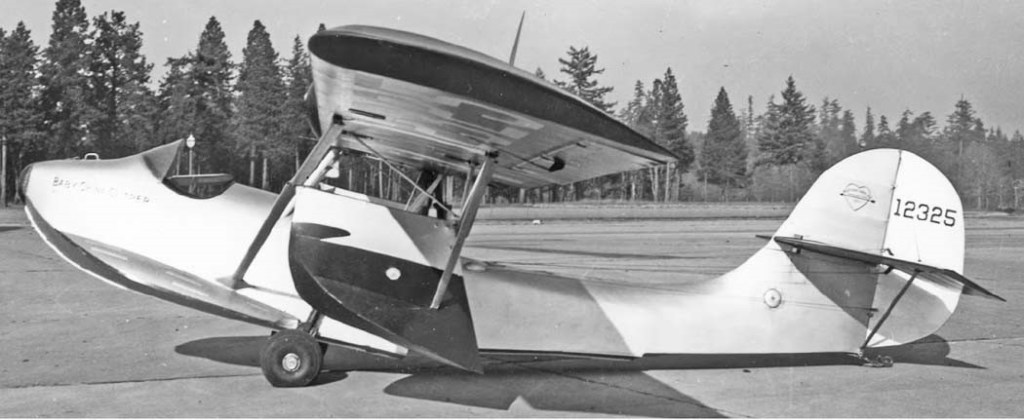
The release of CW-3 ended there, since the financial crisis began in the USA and there were no amphibious customers.
CW-3L
Engine: Lambert, 90 hp
MTOW: 544 kg
Wingspan: 12.04 m
Length: 6.48 m
Wing area: 16.38 sq.m
Maximum speed: 129 km / h
Cruising speed: 105 km / h
Crew: 2
CL-3W
Engine: 1 × Warner Scarab, 90 hp (67 kW)
Wingspan: 39 ft 6 in (12.04 m)
Length: 21 ft 3 in (6.48 m)
Crew: two
 All Aero