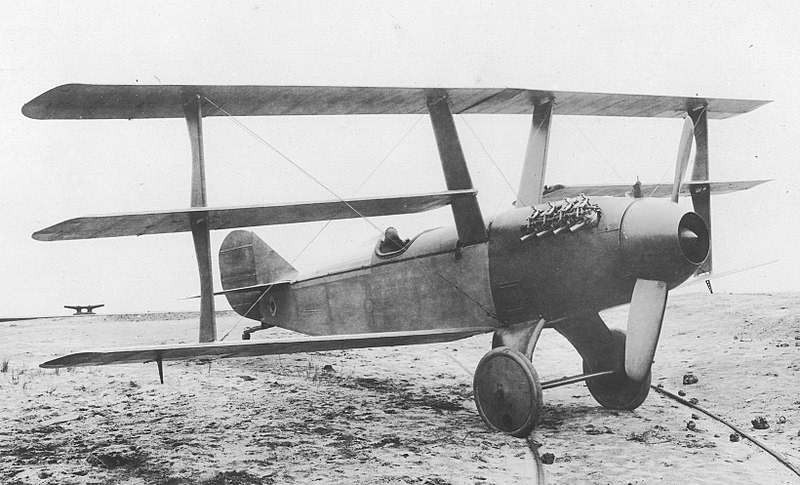
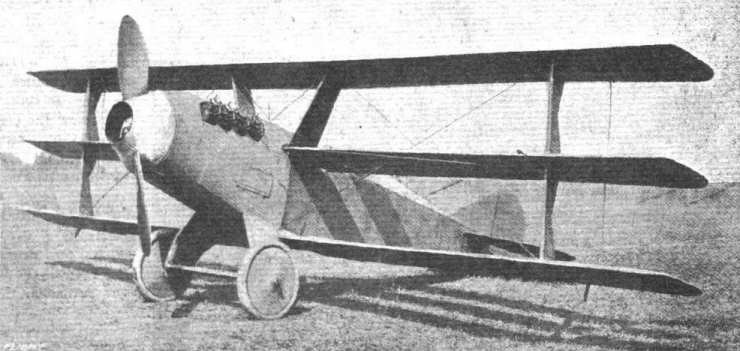
The only ‘production’ models of the S-series were four S-3 (Model 10) triplanes sold to the US Army early in 1917 (serial numbers 322 to 325). These used the basic fuselage, engine, and tail of the S and S-2 fitted with single-bay triplane wings using the RAF 6 aerofoil. These were the Army’s first single-seat Scouts, but they were still more than two years behind equivalent European types.
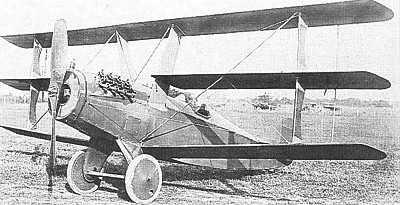
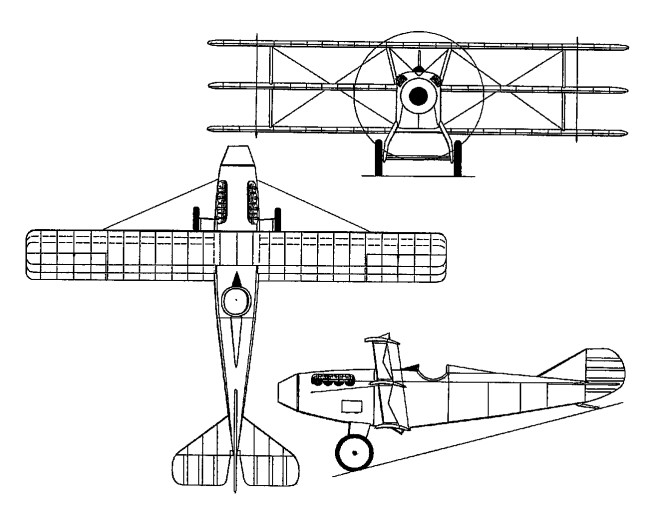
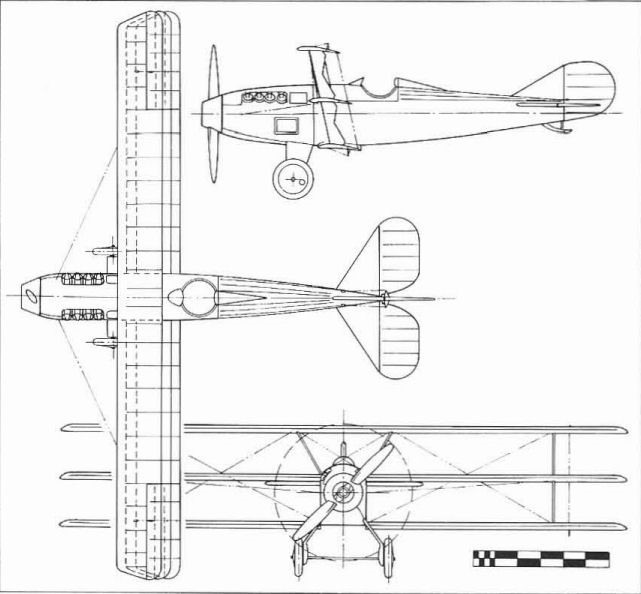
Essentially a triplane derivative of the S-2 “Wireless” (signifying lack of wing bracing wires) unarmed biplane “scout”, the S-3, or “Triplane Speed Scout”, possessed a similar fuselage and 100hp Curtiss OXX-3 engine, and initially retained the ducted propeller spinner featured by the biplane. Interplane bracing employed “K”-type struts and, on its second flight during the summer of 1917, the S-3 attained an altitude of 5030m, which was a record at the time. For initial trials, the centre wing was attached to the fuselage at low shoulder position, but the gap between all three wings was subsequently increased and the centre wing was raised above the fuselage.
Several modifications included smaller span, and all three planes equal. The body is of better streamline form, and the chassis struts are arched.
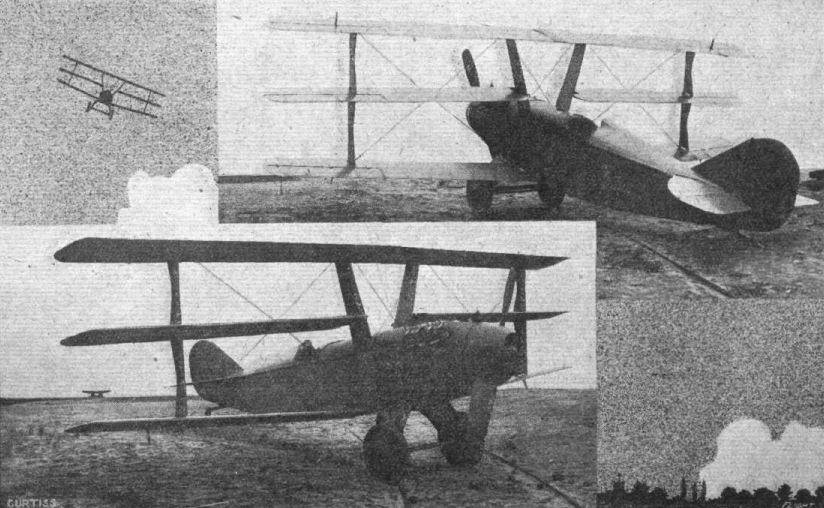
After redesign of the rudder and the discarding of the ducted spinner, the S-3 successfully completed evaluation trials and four were ordered during the course of 1917 for the US Army Signal Corps. It was proposed to arm the S-3 with two unsynchronised Lewis guns which were to fire over the propeller arc, but the S-3s were delivered to the Signal Corps without armament.
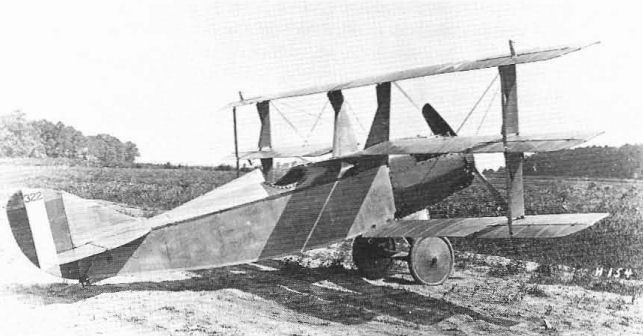
The four US Army Curtiss S-3s of early 1917 carried the new US national aeroplane markings but did not carry guns although they were classified as Scouts, which was synonymous with Pursuit at the time.
In 1918 and 1919, Curtiss experimented with seaplane versions of the S-3, designated S-4 and S-5.
The S-4 (Model 10A) was a triplane similar to the S-3 intended as a seaplane Scout for the US Navy (serial A149). Although tested as a land plane, the S-4 was intended to be a seaplane and had longer wings than the similar S-3 to carry the weight or the floats. This was Curtiss’s first experience with the twin-float configuration.
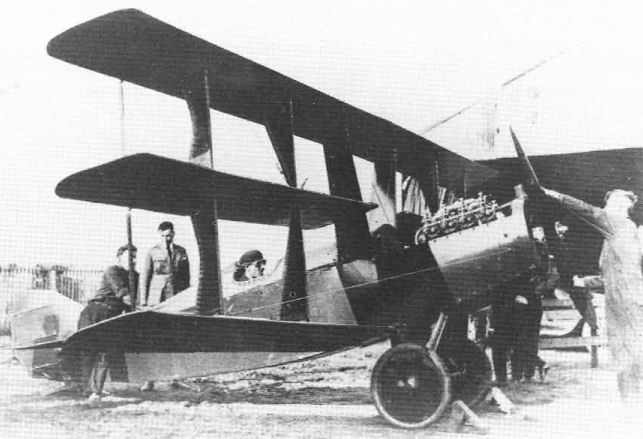
As with other Curtiss seaplanes, it became necessary to increase the span of the S-4 to carry the extra weight. The front float struts collapsed during a heavy alighting in January 1918 and the aircraft was struck off charge.
The S-5 Model 10B seaplane version was similar to the S-4 except for being fined with a single main float and small wingtip floats. Navy serial number A150, struck off on 6 August, 1919.
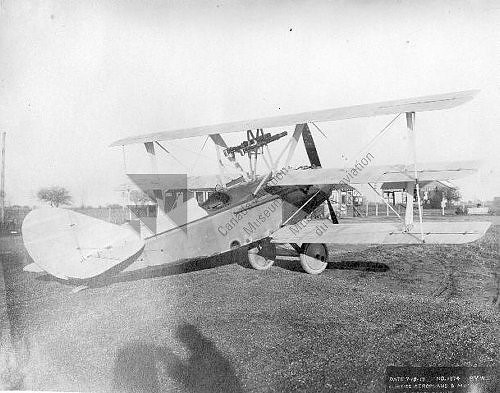
The S-6 (Model 10C) was an improved version of the S-3 and was the first American Scout fitted with twin forward-firing machine-guns. This may have been only an inoperative test installation intended to check weight, balance, and location, for the guns were gas-operated Lewis models which were not used for synchronized fire through the propeller. The sole Curtiss S-6 was flown in 1917 and was slightly larger than the S-3. The Army ordered twelve early in 1917 but only one, serial number 492, was delivered.
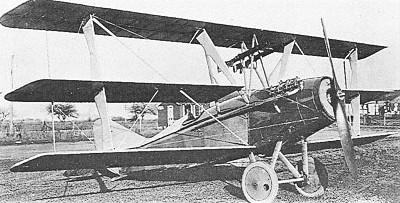
The S-6 triplane had revised strutting carrying the centre section of the upper wing and the root attachments of the centre wing, a modified undercarriage and other changes.
S-3
Engine: Curtiss OXX-3, 100 hp
Wingspan: 7.62 m / 25 ft 0 in
Wing area: 13.25 sq.m / 142.62 sq ft
Chord: 24 ins
Wing gap: 28 ins Length: 5.94 m / 19 ft 6 in
Length: 19 ft 6 in (5.94 m)
Height: 2.62 m / 8 ft 7 in
Take-off weight: 599 kg / 1321 lb
Empty weight: 440 kg / 970 lb
Max. speed: 185 km/h / 115 mph / 100 kn
Service ceiling: 16,500 ft (5,029 m)
Climb, 10,000 ft. in 10 mins
Crew: 1
S-6
Take-off weight: 625 kg / 1378 lb
Wingspan: 7.62 m / 25 ft 0 in
Length: 5.94 m / 19 ft 6 in
Height: 2.62 m / 8 ft 7 in
Wing area: 13.25 sq.m / 142.62 sq ft
Max. speed: 177 km/h / 110 mph
 All Aero