
In the 1970’s Citroen experimented with a small light helicopter, powered by a Wankel engine developed in a joint venture with NSU (Comotor), as part of their investigation into alternative engine development.
All started with Comotor, a joint-venture between NSU and Citroën for the development and marketing of rotary motors. The small Citroën M35 preceded the Citroën GS Birotor, which, despite of their good performance and exclusive image, always suffered from high fuel consumption and low reliability. The last attempt to save Comotor was the RE-2 helicopter.
French helicopter engineer Charles Marcetti was commissioned to design and build a small helicopter, which would be powered by a Comotor 624 twin-rotor (170hp) engine. A development of the engine used in the prototype GS Birotor. Charles Marchetti had designed the successful helicopter Alouette.
The damage to Comotor was already done. Sales of the Citroën GS Birotor were disastrous, and the Board of Directors of the brand I wanted to put point and end to the project. Clutching at straws, Citroën looked at the sky: “we will produce a helicopter, and we’ll use our thrusters rotating to make it fly”.
The engine was a Comotor 624 of two rotors, a capacity of 1,990 cc and 101 HP fitted with Solex carburetor by a system of mechanical fuel injection, developed by Citroën. The fuel feed and cooling were modified.
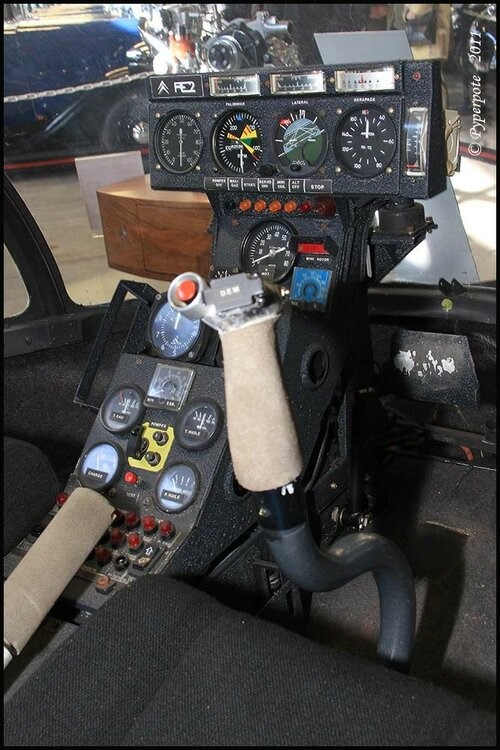
After months of rushed development, the first prototype would rise from the ground, the Christmas Eve of the year 1975. It was a helicopter designed for two occupants, for recreational use. Citroën wanted to have his helicopter ready as soon as possible, and with the rush even had difficulties to find a test pilot.
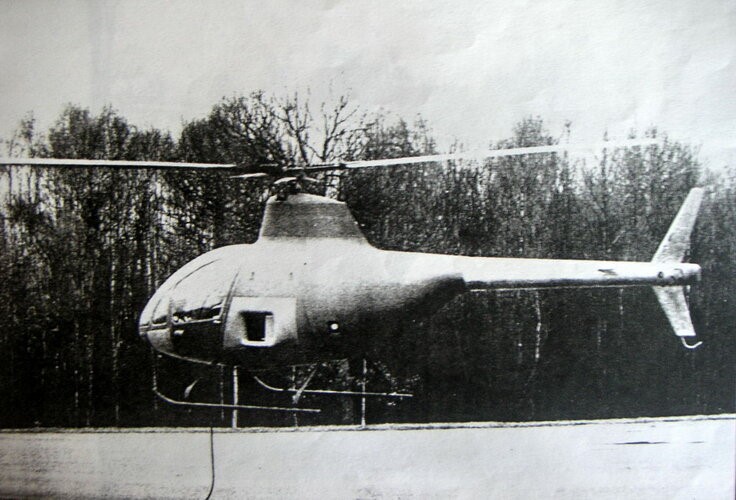
This engine was capable of to propel the aircraft to a cruise speed of 173 km/h and on the paper, could climb to a ceiling of 3,500 meters altitude. Citroën had been flown successfully with its RE-2, but did not yet have the government certification to sell it to the public. During the processes of approval, it was discovered that the engine overheated after a time running at high-rate.
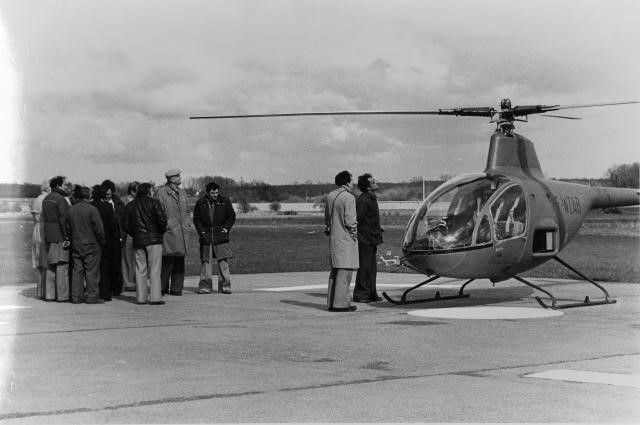
Although the tests were successful, over-heating problems with the engine and pending bankruptcy brought the project to an end. The lack of funds and technical problems delayed the certification of the aircraft, that it would never be completed.
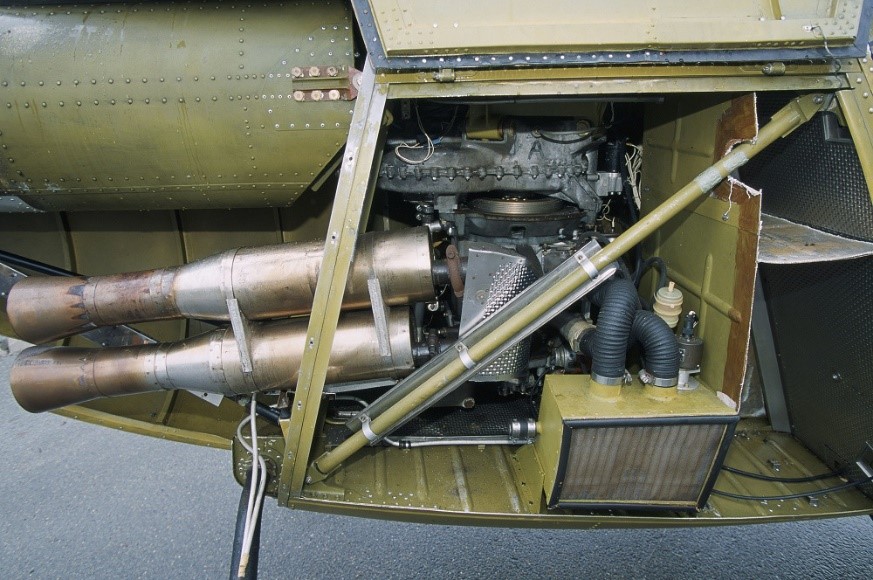
While the engineers solved the engine problems, Citroen came under Peugeot, in the recently formed PSA Group. Although the RE-2 solved their problems and got a permit of flight six months in 1977 for the final adjustments, in Peugeot were fed up.
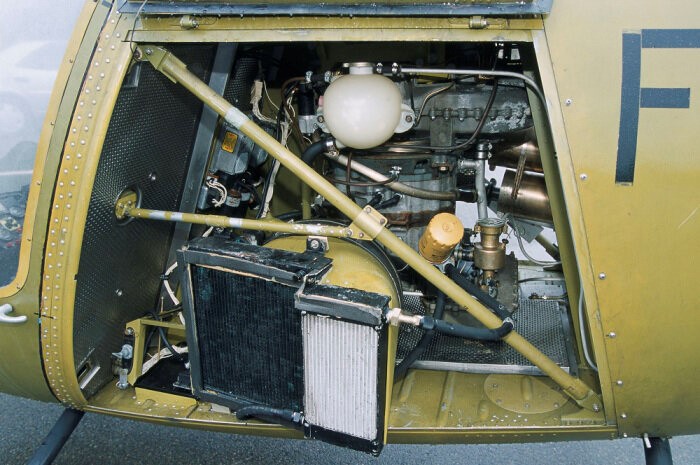
On May 5, 1979, Peugeot ordered to Citroën the immediate cancellation of the project after only 38 hours of flight.
The RE-2 went to the Musée Citroën in France.
RE-2
Engine: 1 x Citroën Comotor 624 rotary (Wankel), 160-190hp
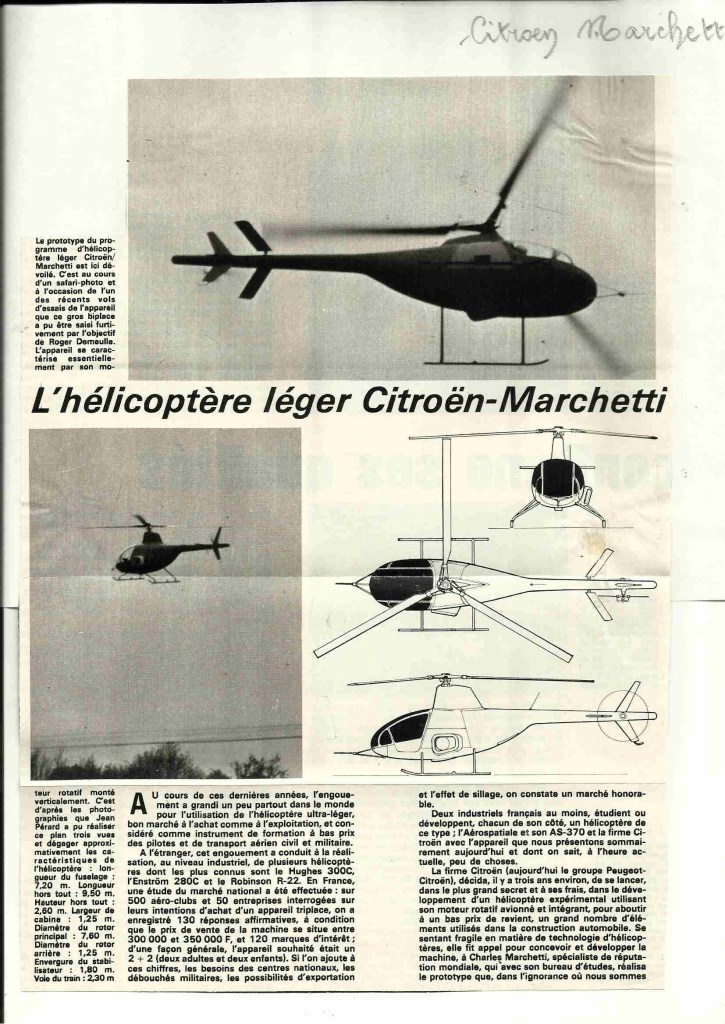
Length: 7,18 m
Height: 2,59 m
Weight: 700 kg
 All Aero