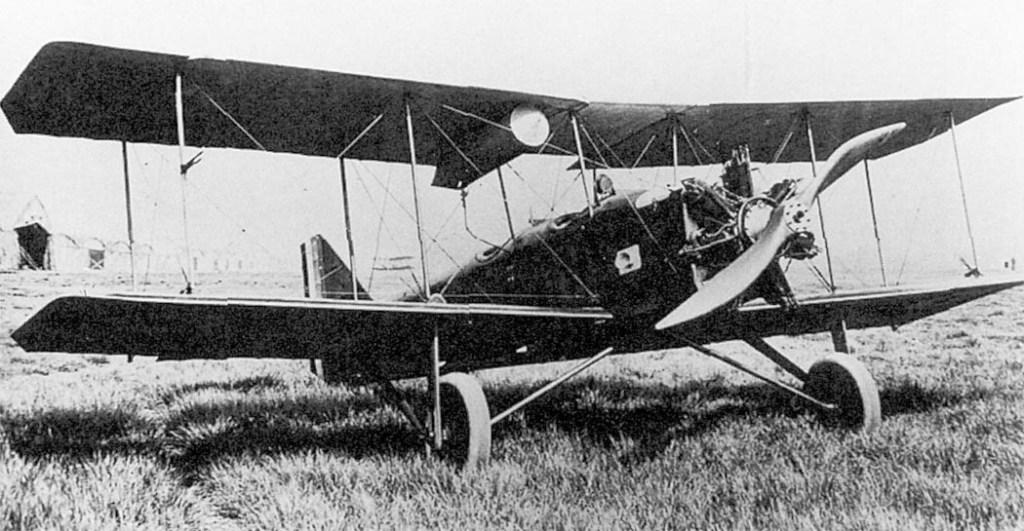
The British Aerial Transport Company Limited F.K.24 Baboon was a two-seat training biplane produced during World War I. Using experience gained designing the Bantam, aircraft designer Frederick Koolhoven (assisted by Robert Noorduyn) designed the two-bay biplane elementary trainer.
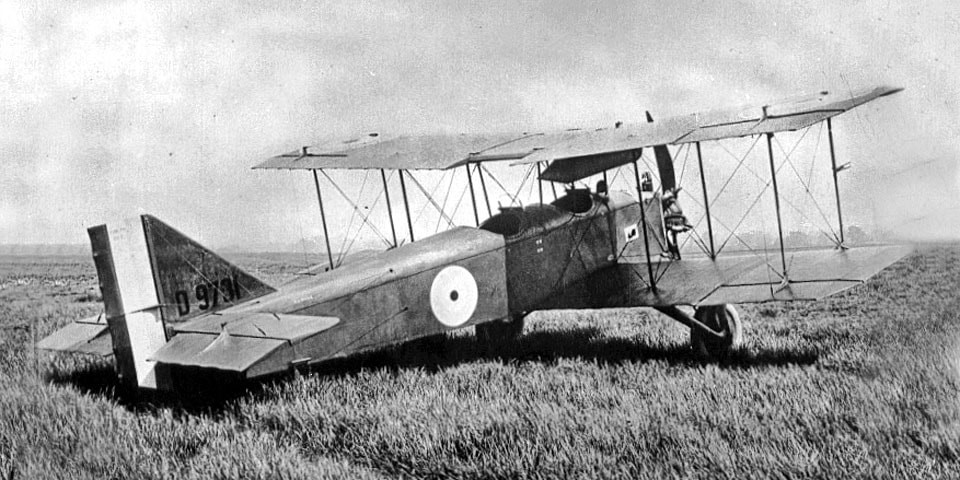
The aircraft had a flat-sided fuselage and an uncowled 170 hp (127 kW) ABC Wasp engine simply bolted to the firewall. Maintenance and repair costs have been kept to a minimum through the use of interchangeable upper and lower wing panels, ailerons, elevators and rudders.
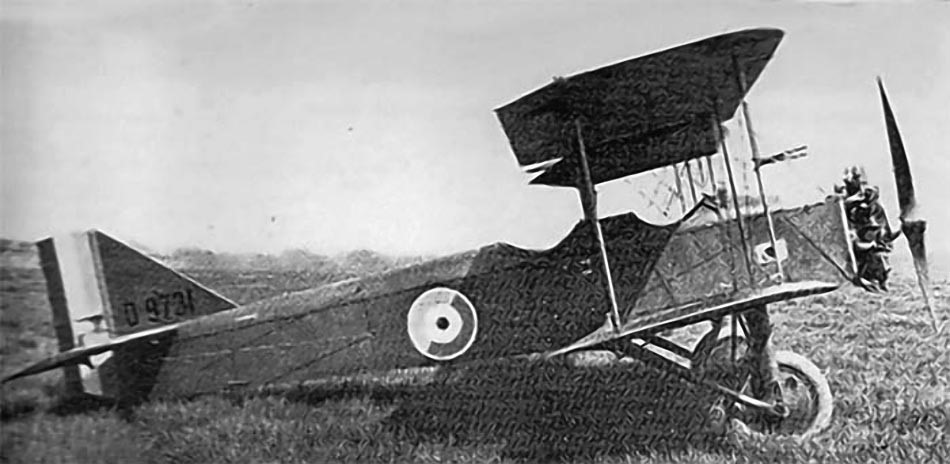
Six aircraft were planned but only one was built in July 1918 as a consequence of the end of the First World War and the subsequent sharp reduction in orders for military aircraft.
The Baboon was registered with British Aerial Transport Co. Ltd in May 1919. The only notable act was when it won the Hendon Trophy Race over a 20-mile (32-km) circuit in July 1919 flown by Major Christopher Draper. The Baboon was scrapped at Hendon in 1920.
Powerplant: 1 × ABC Wasp I, 170 hp (130 kW)
Propellers 2-bladed BAT tractor, 5 ft (1.52 m), 7 ft 10 in (2.39 m) diameter
Wingspan: 25 ft (7.6 m)
Wing area: 259 sq ft (24.1 m2)
Length: 22 ft 8 in (6.91 m)
Height: 8 ft 10 in (2.69 m)
Empty weight: 950 lb (431 kg)
Gross weight: 1,350 lb (612 kg)
Fuel capacity: 12 imp gal (54.55 l; 14.41 US gal)
Maximum speed: 90 mph (140 km/h, 78 kn)
Landing speed: 40 mph (64 km/h; 35 kn)
Endurance: 2 hours
Rate of climb: 833.33 ft/min (4.2333 m/s)
Time to altitude: 10,000 ft (3,048.0 m) in 12 minutes
Wing loading: 5.2 lb/sq ft (25 kg/m2)
Power/mass: 0.126 hp/lb (0.206 kW/kg)
Crew: 2
Capacity: 400 lb (181.44 kg) disposable load
 All Aero