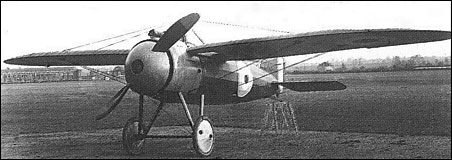
The prototype Bristol M.1A, designed by Frank Barnwell with a 110 hp Clerget engine, flew for the first time on 14 July 1916. Streamlined for its day, it reached a top speed of 132 mph.
Four M.1B’s were built for service trials, differing from the prototype only in having a pyramid-shape wing support structure, in place of the former curved cabane, and a 7.7mm Vickers machine-gun on the port side of their front fuselage and a clear-view cut-out panel in the starboard wing root to afford the pilot a measure of downward visibility.
A production order for 125 aircraft was placed on 3 August 1917 as M.1s. Powered by a 110hp Le Rhone 9J nine-cylinder rotary engine, the M.1C had a centrally-mounted Vickers gun, but its subsequent operational career was largely confined to the Middle East where 33 M.1Cs were sent during 1917-18.
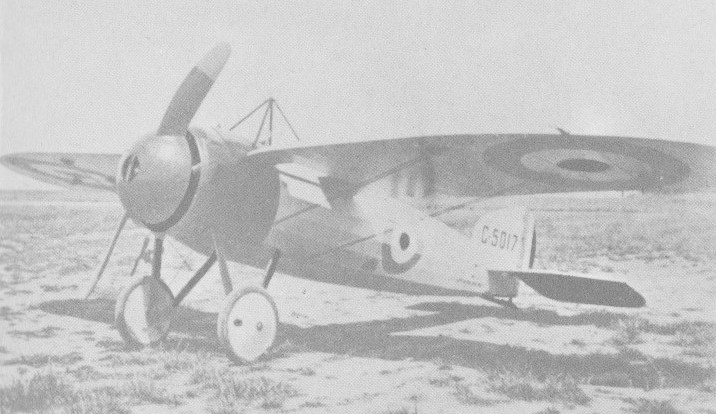
Only five squadrons were partly equipped with the M1 for operational use although a number were issued to flying schools. No aircraft of this type were issued to RFC squadrons based in France, the 97km/h landing speed being considered too high for small Western Front airfields.
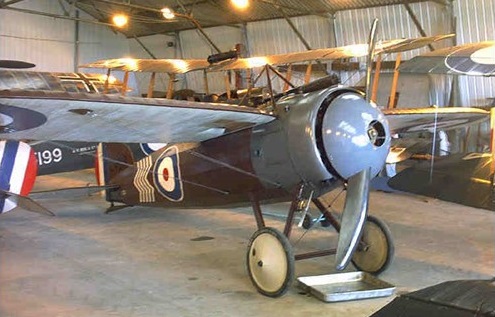
Replica: Northern Aeroplane Workshops Bristol M1C
M.1A
Engine: 110 hp Clerget
Seats: 1
M.1B
Engine: 110 hp Clerget
Seats: 1
M.1C
Engine: 110hp Le Rhone 9J nine-cylinder rotary
Wingspan: 9.37 m / 30 ft 9 in
Length: 6.23 m / 20 ft 5 in
Height: 2.37 m / 7 ft 9 in
Wing area: 13.47 sq.m / 144.99 sq ft
Empty weight: 406 kg / 895 lb
Take-off weight: 611 kg / 1347 lb
Fuel capacity: 18 gal
Max. speed: 209 km/h / 130 mph at SL
Service ceiling: 20,000 ft
Endurance: 1 hr 45 min
Armament: 1 x Vickers 7.7mm mg
Seats: 1
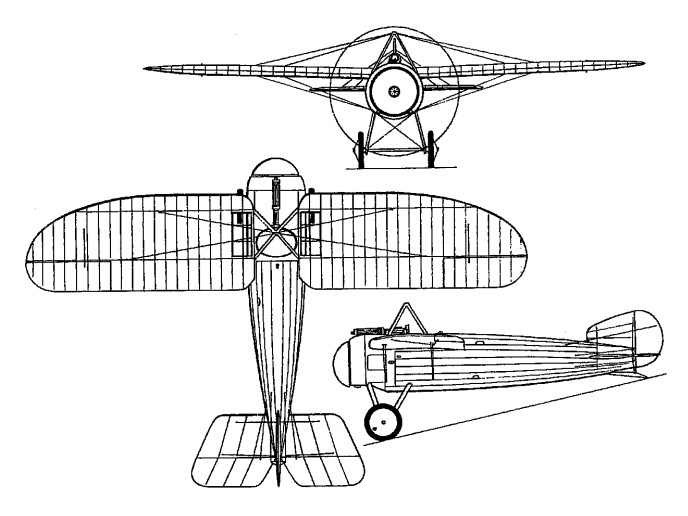
 All Aero