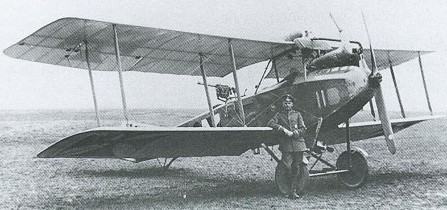
Appearing outwardly nearly identical to the Albatros B.III of 1914, the C.III model entered service in 1915. Like the unarmed B.III, the C.III had a fish style tail that not only improved handling but became a distinguishing feature of the Albatros single-seat scouts. With a two-bay biplane of two-spar wooden construction (ailerons on top wing only), the ply covered fuselage had a roomy rear cockpit for the observer, with Schneider ring mount for the Parabellum machine gun. Nearly all also had a fixed Spandau (almost the same 7.92 mm gun) firing ahead on the right side of the engine, and equipped with synchronization gear to enable it to fire between the propeller blades.
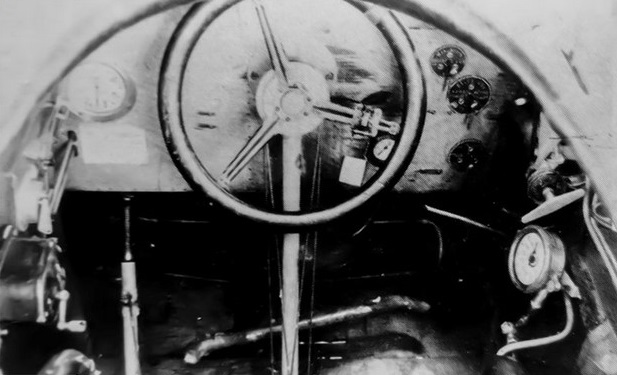
Though used mainly for reconnaissance and artillery spotting, the C.III could carry 100 kg (220 lb) of bombs in a compartment between the cockpits. Powered by the 160 hp Mercedes D.III engine, the C.III was built by seven manufacturers and served on all fronts until mid 1917 when it was withdrawn for use in the training role.
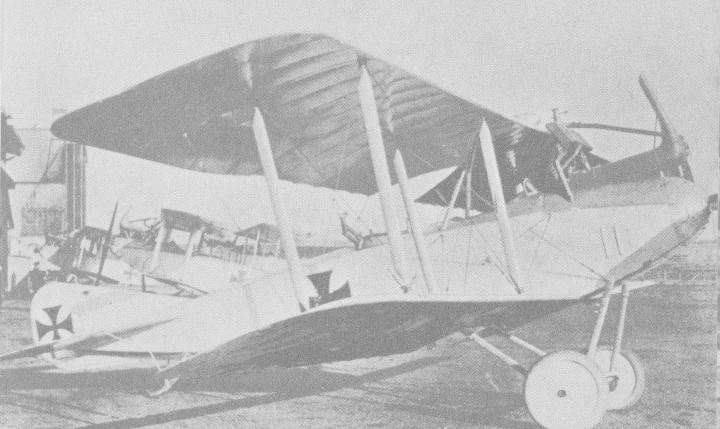
Albatros C.III
Engine: 1 x Benz Bz.III, 150 hp or Mercedes DIIIe, 160hp.
Wingspan: 38 ft 4 in (11.70m)
Wingarea: 397.3 sq.ft
Length: 26 ft 3 in (8m)
Height: 10.17ft (3.10m)
Empty weight: 1876 lb
Maximum Take-Off Weight: 2,983lbs (1,353kg)
Fuel capacity: 56 Gal
Maximum Speed: 87mph (140kmh; 76kts)
Service Ceiling: 11,155ft (3,400m; 2.1miles)
Endurance: 4 hr
Accommodation: 2
Armament: 1 or 2 x 7.92mm Parabellum machine gun and 1x Spandau 7.92 mm machine-gun (most)
Bombload: 100 kg (220 lb)
 All Aero